
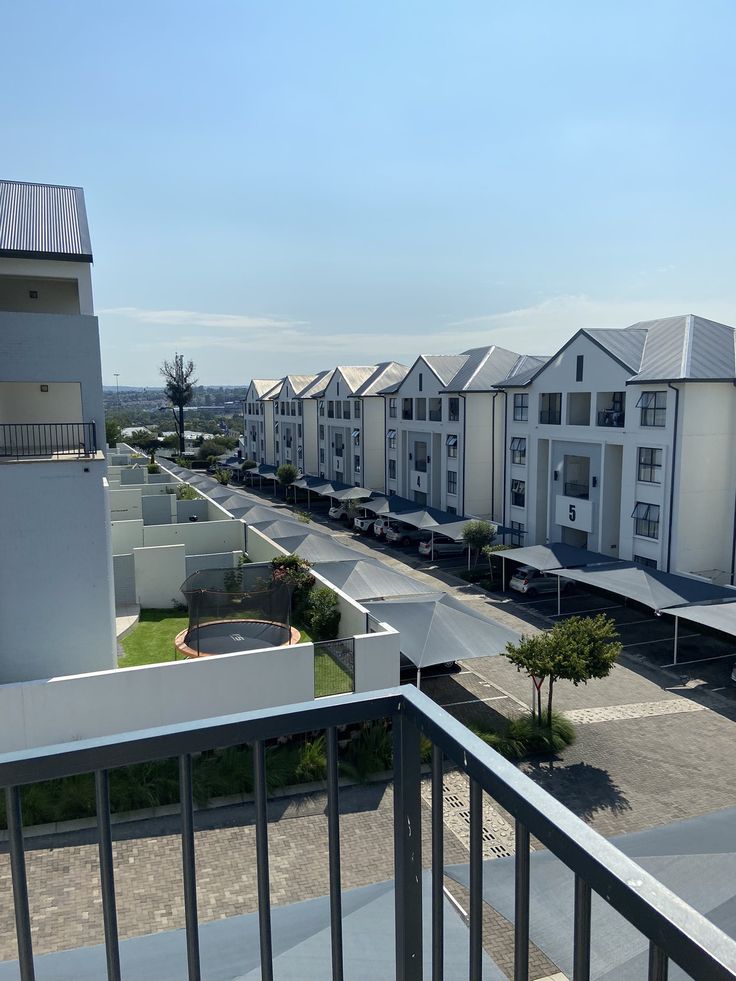

Nairobi Apartment Market Oversupply is one of the most important conversations for buyers, investors, developers and landlords in 2026. Many people are asking whether Nairobi has too many apartments, whether prices are softening, whether rental demand can absorb new developments and whether buying an apartment still makes sense.
The honest answer is this: Nairobi’s apartment market is not oversupplied everywhere, but some apartment-heavy pockets are showing clear signs of pressure.
In areas where many similar units have been built within a short period, buyers are becoming more selective, sellers are becoming more flexible and landlords are competing harder for tenants. This does not mean apartments are no longer good investments. It means buyers must stop buying blindly and start analysing location, demand, pricing, building quality, service charge and resale value more carefully.
At Realty Boris, we advise buyers not to fear the market, but to understand it. Nairobi still has strong apartment demand in the right locations and for the right unit types. However, the days of assuming that every apartment will automatically appreciate or rent quickly are over.
This guide explains Nairobi Apartment Market Oversupply, how to identify it, which warning signs buyers should watch and how to invest safely in a more selective market.
Nairobi Apartment Market Oversupply: What Does It Really Mean?

Nairobi Apartment Market Oversupply means that the number of apartment units available in a specific area, price bracket or unit type may be higher than the number of buyers or tenants ready to absorb them at current prices.
Oversupply does not always mean there are no buyers. It means supply has grown faster than demand in certain segments.
This can lead to:
- Slower apartment sales
- Longer vacancy periods
- More rental competition
- Price discounts
- Flexible payment plans
- Softer resale values
- Pressure on developers
- Stronger negotiation power for buyers
- More selective tenants
- Higher importance of building quality
At Realty Boris, we advise investors to understand that oversupply is usually location-specific and product-specific.
For example, one neighbourhood may have too many similar 1 bedroom units, while another may still have strong demand for 2 bedroom apartments. One building may struggle because of poor management, while a nearby project may perform well because it offers better layouts, parking, utilities and pricing.
The question is not only, “Is Nairobi oversupplied?” The better question is, “Is this specific apartment, in this specific building, in this specific location, still competitive?”
1. Too Many Similar Units in One Area

One of the clearest signs of Nairobi Apartment Market Oversupply is when many buildings in the same location offer similar units at the same time.
This is common in apartment-heavy areas where developers build similar products targeting the same buyer or tenant profile.
For example, if several projects in one pocket are all selling similar studio, 1 bedroom or 2 bedroom units, buyers have more options. When buyers have more options, average units become harder to sell unless they offer something clearly better.
This can affect:
- Sale speed
- Rental pricing
- Occupancy levels
- Resale demand
- Developer incentives
- Buyer negotiation power
At Realty Boris, we advise buyers to compare the property against nearby competition before committing.
Ask:
- How many similar apartments are nearby?
- Are they completed or still under construction?
- Are units selling quickly?
- Are landlords reducing rent?
- Are developers offering discounts?
- What makes this unit different?
- Is the building better managed than nearby options?
In a competitive market, ordinary apartments struggle. Strong apartments still attract demand.
2. Falling Prices in Specific Apartment Segments
Another sign of Nairobi Apartment Market Oversupply is price correction.
When supply increases faster than demand, sellers may begin adjusting prices to attract buyers. Developers may offer discounts, longer payment plans, free legal fees, furnishing packages or other incentives to move stock.
This does not always mean the market is collapsing. It may simply mean prices are adjusting to match demand.
Buyers should understand the difference between a healthy correction and a weak investment.
A healthy correction can create buying opportunities if the property has:
- Strong location
- Good building management
- Practical layout
- Reliable water supply
- Secure parking
- Reasonable service charge
- Good tenant demand
- Long-term resale value
A weak investment is different. It may be cheap because the building is poorly managed, the unit layout is poor, the location is congested or the developer is struggling to sell.
At Realty Boris, we advise buyers not to buy only because the price has dropped. A lower price is useful only if the property fundamentals remain strong.
For broader market context, buyers can review public reports such as the Kenya National Bureau of Statistics residential property reporting and market commentary from credible research institutions.
3. Rental Vacancies Are Taking Longer to Fill
Nairobi Apartment Market Oversupply can also show up in the rental market.
When many similar units are available, tenants have more choices. This gives tenants more power to compare rent, amenities, furnishing, building management and location.
Landlords may notice:
- Fewer viewing requests
- Tenants negotiating harder
- Longer vacancy periods
- Lower-than-expected rent
- More competition from furnished units
- Tenants choosing newer buildings
- Tenants rejecting poor management
- Pressure to upgrade finishes or furniture
At Realty Boris, we advise landlords to track vacancy carefully.
A rental property is not performing simply because the asking rent is high. It performs when the right tenant moves in, pays consistently and stays.
If an apartment stays vacant for months, the landlord should review pricing, presentation, furnishing, building condition and target tenant.
A vacant unit earning zero income can be more costly than a slightly lower rent with a reliable tenant.
4. Buyers Are Becoming More Selective

One positive effect of Nairobi Apartment Market Oversupply is that buyers are becoming more serious and analytical.
Buyers are now asking better questions before purchasing.
They want to know:
- Is the price realistic?
- Is the title clean?
- Is the developer credible?
- Is the building already crowded?
- Is parking enough?
- Is service charge reasonable?
- Is water reliable?
- Is there backup power?
- Is the apartment suitable for tenants?
- Can the unit resell well?
- Are there too many similar units nearby?
- Is the rental estimate realistic?
At Realty Boris, we see this as a healthy market shift.
A more selective buyer is less likely to be misled by marketing pressure. In a crowded apartment market, due diligence becomes more important than excitement.
Buyers should not rush because a sales team says only a few units are left. They should compare, verify and calculate.
A good apartment should make sense even after the marketing noise is removed.
5. Service Charge Is Becoming a Bigger Decision Factor
In a competitive apartment market, service charge can affect both rental demand and resale value.
Tenants and buyers are paying more attention to monthly ownership costs.
A building may look attractive, but if service charge is too high, it can reduce investor returns and discourage tenants.
Service charge may cover:
- Security
- Cleaning
- Lift maintenance
- Generator fuel
- Water systems
- Waste collection
- Amenity maintenance
- Common area lighting
- Building management
- Landscaping
- Insurance where applicable
- Sinking fund contributions
At Realty Boris, we advise buyers to check service charge before committing.
A high service charge is not always bad if the building is well managed and delivers value. However, a high service charge in a poorly managed building is a serious concern.
A very low service charge can also be risky if it means the building will not be maintained properly.
In a market facing oversupply pressure, tenants will compare value. If two similar apartments are available, the one with better management and reasonable service charge is more likely to win.
6. Building Management Separates Strong Investments From Weak Ones

Nairobi Apartment Market Oversupply makes building management more important.
When there are many apartments in the market, tenants and buyers can afford to be selective. A building with poor management will struggle even if the apartment interior looks good.
Good building management includes:
- Clean common areas
- Working lifts
- Reliable water supply
- Secure parking
- Responsive caretakers
- Strong security
- Waste management
- Proper lighting
- Functional amenities
- Transparent service charge
- Professional communication
- Regular maintenance
At Realty Boris, we advise buyers to inspect the full building, not only the unit.
Look at the entrance, reception, parking, lifts, corridors, staircase, rooftop, gym, pool, security desk and waste area. These areas reveal how the building will age.
A well-managed apartment can remain attractive even in a competitive market.
A poorly managed apartment can lose value quickly, especially when tenants have better alternatives nearby.
7. Some Apartment Types Are More Exposed Than Others
Not all apartment types face the same level of oversupply risk.
Some segments may become crowded faster than others.
For example:
- Studio apartments can become oversupplied where many developers target young professionals and short-term rental investors.
- 1 bedroom apartments can face pressure if many similar units are delivered at once in the same area.
- 2 bedroom apartments may remain resilient if they offer good layouts, parking and work-from-home flexibility.
- 3 bedroom apartments can perform well in family-friendly areas but may struggle if priced too high.
- Furnished apartments can perform well in selected locations but require strong management and realistic pricing.
At Realty Boris, we advise investors to match unit type with tenant demand.
A studio in the wrong location can struggle. A 1 bedroom in a strong executive area can perform well. A 2 bedroom in Westlands, Kileleshwa, Kilimani or Riverside may attract professionals who need extra space. A 3 bedroom in Lavington or Kileleshwa may appeal to families.
The property type must fit the location.
Is Nairobi’s Apartment Market Oversupplied Everywhere?
No. Nairobi Apartment Market Oversupply is not the same across the whole city.
Some areas and segments are under pressure, especially where many similar apartments have entered the market at once. Other locations still have strong demand, especially where the property is well priced, well located and well managed.
Nairobi is not one market.
Kilimani, Westlands, Kileleshwa, Riverside, Lavington, Upper Hill, Parklands, South C, Ruaka, Syokimau, Ruiru and other apartment markets all behave differently.
Even within the same neighbourhood, two buildings can perform differently.
One building may struggle because it has poor parking, high service charge or weak management. Another building nearby may perform well because it has better layout, security, water, amenities and tenant appeal.
At Realty Boris, we advise buyers to avoid general market conclusions.
Do not say, “All apartments are bad.” Also do not say, “All apartments are good.”
The correct approach is property-by-property analysis.
What Nairobi Apartment Buyers Should Check Before Investing
Before buying an apartment in Nairobi, buyers should check:
- Exact location
- Current nearby supply
- Similar units for sale
- Similar units for rent
- Developer track record
- Title documents
- Approved plans
- Unit size
- Layout
- Parking allocation
- Service charge
- Water supply
- Backup power
- Security
- Building management
- Rental demand
- Furnished rental rules
- Resale value
- Completion timeline for off-plan units
- Handover documents
- Maintenance costs
Buyers can use official land-information resources such as Ardhisasa when checking land-related processes. For transfer and stamp duty context, buyers can also refer to the State Department for Lands land transfers page and the State Department for Lands stamp duty valuation page.
For Nairobi development and planning context, buyers can review the Nairobi City County Built Environment and Urban Planning Sector.
At Realty Boris, we strongly advise buyers to involve a qualified advocate before signing or paying.
A good buying decision should combine market analysis and legal due diligence.
Nairobi Apartment Market Oversupply and Off-Plan Buyers
Off-plan buyers should be especially careful in a market with oversupply concerns.
Off-plan property can still be attractive because of flexible payment plans, early-stage pricing and modern designs. However, buyers must assess whether the apartment will still be competitive by completion.
Before buying off-plan, ask:
- How many similar projects are nearby?
- What is the developer’s track record?
- Are approvals available?
- Is the mother title verified?
- What is the completion timeline?
- What happens if the project delays?
- What service charge is expected?
- Who is the target tenant?
- What rental income is realistic?
- Can the unit resell after completion?
- What makes this project different?
At Realty Boris, we advise buyers not to buy off-plan only because of flexible payments.
A payment plan is not an investment strategy. The property itself must make sense.
If several similar developments will complete around the same time, the buyer should be more cautious about rental and resale assumptions.
Nairobi Apartment Market Oversupply and Ready Buyers
Ready apartments may offer more certainty because the buyer can inspect the completed unit and building.
This can be an advantage in an oversupplied market.
Ready buyers can check:
- Actual finishes
- Water reliability
- Lift performance
- Occupancy levels
- Current tenants
- Parking
- Building management
- Service charge
- Security
- Common areas
- Nearby competition
- Real rental demand
- Resale interest
At Realty Boris, we advise ready buyers to negotiate based on facts.
If the area has many similar available units, buyers may have more room to negotiate price, payment terms or extras.
However, buyers should not choose a ready apartment only because it is discounted.
The unit should still be practical, legally clean and attractive to tenants or future buyers.
Nairobi Apartment Market Oversupply and Landlords
Landlords must also adjust to market conditions.
If there are many apartments available, landlords should improve property presentation and pricing.
Landlords should focus on:
- Fair rent
- Quality photos
- Accurate listings
- Responsive communication
- Quick maintenance
- Clean unit condition
- Good furnishing where applicable
- Tenant screening
- Flexible viewing
- Strong lease documentation
- Competitive amenities
- Clear property management
At Realty Boris, we advise landlords to price strategically.
Overpricing can lead to long vacancy, especially when tenants have many alternatives.
For furnished apartments, landlords should ensure the furniture, internet, appliances, cleaning and guest experience are strong enough to compete.
In an oversupply environment, average rental units are easily ignored. Well-presented units still attract serious tenants.
Which Nairobi Apartment Locations Still Make Sense?
Even with Nairobi Apartment Market Oversupply concerns, several locations can still make sense depending on the property.
Kilimani can work for apartments if the building has good management, parking, layout and realistic pricing.
Westlands can work for corporate and executive tenants, especially in strong pockets and well-managed buildings.
Kileleshwa can work for long-term tenants and small families seeking calm central apartment living.
Riverside can work for executive tenants and buyers who value privacy, access and premium apartment living.
Lavington can work for family-oriented apartments and larger units.
Upper Hill can work for business-linked tenants where access and pricing are practical.
Parklands can work for long-term tenants, medical professionals, families and buyers seeking central access.
At Realty Boris, we advise buyers to select carefully within each area.
The location name is not enough. The specific building, unit and price determine whether the investment is strong.
Common Mistakes Buyers Should Avoid
When evaluating Nairobi Apartment Market Oversupply, buyers should avoid:
- Assuming all apartments are bad
- Assuming all apartments will appreciate
- Buying only because the payment plan is flexible
- Ignoring nearby competition
- Overestimating rent
- Ignoring service charge
- Not checking parking
- Buying poor layouts
- Ignoring building management
- Not checking water supply
- Buying off-plan without developer due diligence
- Failing to compare similar units
- Ignoring resale value
- Not reviewing legal documents
- Buying under pressure
At Realty Boris, our advice is simple: buy the apartment that remains strong even when buyers and tenants have many options.
That means choosing quality, not hype.
Realty Boris Expert View on Nairobi Apartment Market Oversupply
Our view is that Nairobi Apartment Market Oversupply is real in selected locations and segments, but it should not be treated as a blanket statement against apartment investment.
The market is becoming more selective. This is good for serious buyers because it creates room for better negotiation, better comparison and better decision-making.
For investors, we recommend focusing on net rental returns, not projected rent.
For homebuyers, we recommend focusing on layout, lifestyle, security and long-term comfort.
For diaspora buyers, we recommend verified listings, legal review, virtual walkthroughs and professional property management.
For off-plan buyers, we recommend checking nearby supply, developer credibility, approvals, completion timeline and resale value.
At Realty Boris, we help buyers identify apartment opportunities that can still perform in a competitive market.
A strong apartment should have clear documentation, practical design, good management, reliable utilities, realistic pricing and strong tenant appeal.
Final Thoughts
Nairobi Apartment Market Oversupply is not a reason to avoid apartments completely. It is a reason to buy more carefully.
Some apartment segments are under pressure because supply has grown faster than demand. This affects prices, rental competition and buyer behaviour. However, well-located and well-managed apartments can still perform strongly.
The key is selection.
Buyers should study the exact location, unit type, building quality, service charge, parking, water supply, rental demand, resale value and nearby competition before investing.
At Realty Boris, we advise buyers to stop buying based on hype and start buying based on fundamentals.
A smart apartment investment in Nairobi should be legally clean, financially sensible and strong enough to compete even when the market is crowded.
Call to Action
Thinking of buying an apartment in Nairobi?
Contact Realty Boris for verified listings, market guidance and expert advice before you invest.