
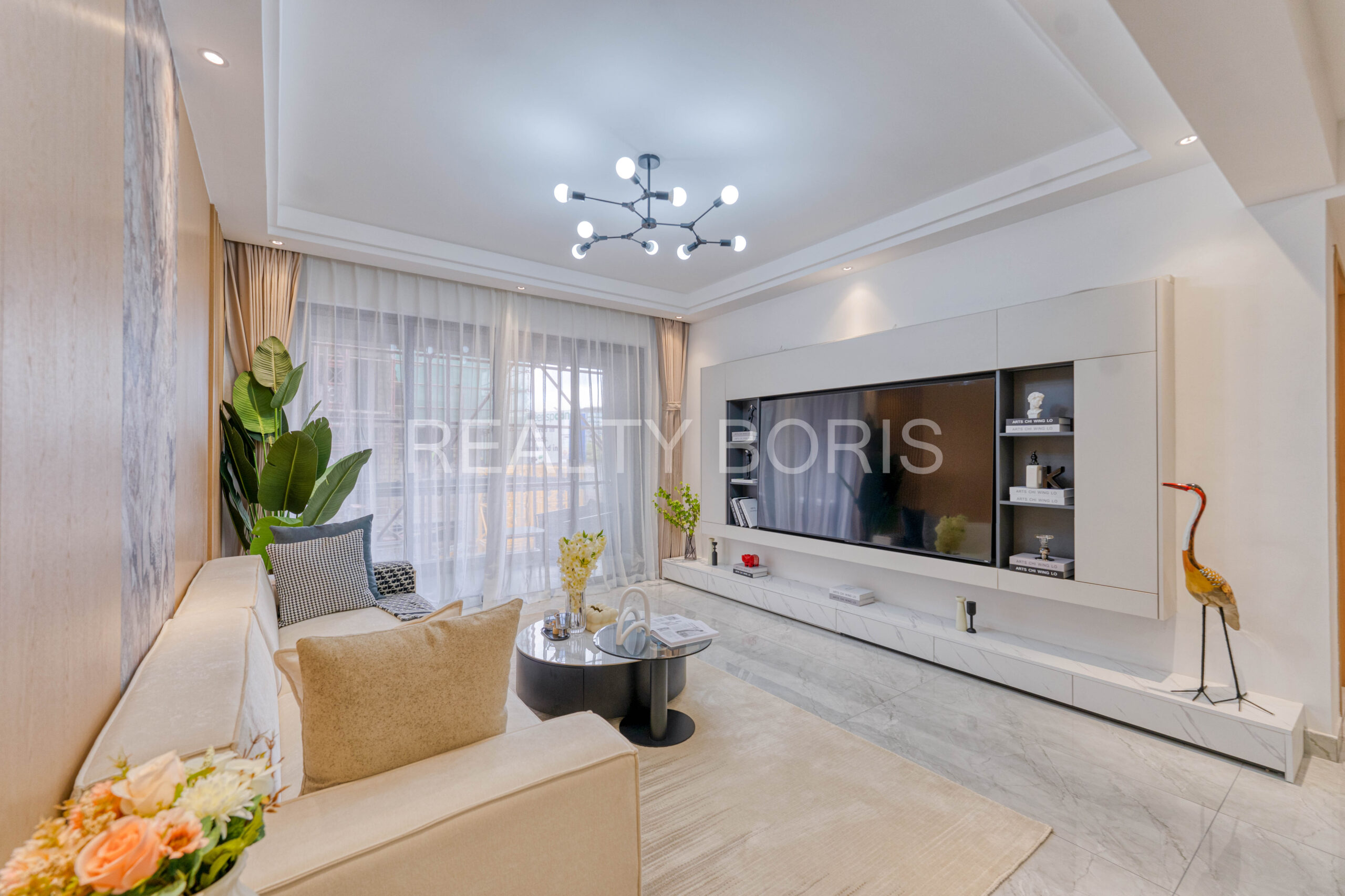

One of the most important decisions property investors face in Nairobi’s real estate market is choosing between short-term vs long-term rental units. Both rental strategies can generate strong returns, but they operate very differently in terms of:
- Income potential
- Occupancy rates
- Tenant management
- Operational costs
- Investment stability
Short-term rentals have gained popularity through Airbnb and serviced apartment platforms, while long-term rentals continue to dominate the market due to their consistency and lower management complexity.
Understanding the differences between these two rental models is essential for investors seeking to maximize returns while aligning with their financial goals and risk tolerance.
At Realty Boris, we guide investors by evaluating which strategy best fits their:
- Property type
- Location
- Target tenant profile
- Income objectives
Below are 7 key differences between short-term vs long-term rental units in Nairobi.
Income Potential and Pricing Flexibility
Short-Term Rental Units
Short-term rentals often:
- Generate higher daily rates
- Use dynamic pricing models
- Perform strongly during peak demand periods
Properties near lifestyle and business hubs such as Sarit Centre often command premium nightly rates.
Long-Term Rental Units
Long-term rentals provide:
- Fixed monthly income
- Predictable cash flow
- Less pricing volatility
👉 Key Insight:
Short-term rentals can generate higher gross income, while long-term rentals provide stability.
Occupancy and Vacancy Risk
Short-Term Rental Units
Short-term rentals may experience:
- Seasonal fluctuations
- Periods of vacancy
- Dependence on tourism and business travel
Long-Term Rental Units
Long-term rentals generally:
- Maintain more stable occupancy
- Have longer tenant retention
- Experience lower vacancy turnover
👉 Key Insight:
Long-term rentals provide more predictable occupancy.
Tenant Turnover and Management
Short-Term Rental Units
These units require:
- Frequent guest check-ins and check-outs
- Cleaning and maintenance coordination
- Active property management
Long-Term Rental Units
Long-term rentals involve:
- Fewer tenant changes
- Less operational involvement
- Simplified management structures
👉 Key Insight:
Short-term rentals demand more active management.
Furnishing and Setup Costs
Short-Term Rental Units
Short-term units usually require:
- Full furnishing and appliances
- Interior design and decor
- Hospitality-style setup
Long-Term Rental Units
Long-term rentals can be:
- Unfurnished or semi-furnished
- Simpler and cheaper to prepare
👉 Key Insight:
Short-term rentals require higher initial setup investment.
Target Tenant Profile
Short-Term Rental Units
These units attract:
- Business travelers
- Tourists
- Expatriates on temporary assignments
- Corporate guests
Long-Term Rental Units
These units attract:
- Families
- Local professionals
- Long-term residents
👉 Key Insight:
Tenant profile significantly affects rental strategy performance.
Best Locations for Each Rental Strategy

Best Areas for Short-Term Rentals
Top-performing locations include:
- Westlands
- Kilimani
- Riverside
- Upper Hill
These areas attract strong business and expatriate demand.
Best Areas for Long-Term Rentals
Strong long-term rental zones include:
- Kileleshwa
- Lavington
- Runda
- Karen
These areas appeal to families and stable tenants.
👉 Key Insight:
Location determines whether short-term or long-term strategy performs best.
Investment Stability and Long-Term Risk
Short-Term Rental Units
Short-term rentals are:
- More sensitive to market shifts
- Influenced by tourism and travel trends
- Higher-risk but potentially higher-reward
Long-Term Rental Units
Long-term rentals are:
- More stable during market fluctuations
- Easier to forecast financially
- Lower operational risk
👉 Key Insight:
Long-term rentals offer more stability, while short-term rentals offer higher upside potential.
Which Rental Strategy Is Better for You?

Choose Short-Term Rentals If You Want:
- Higher income potential
- Airbnb and hospitality opportunities
- Flexible pricing strategies
- Active property management involvement
Choose Long-Term Rentals If You Want:
- Stable monthly income
- Lower management complexity
- Long-term tenant relationships
- Lower operational risk
Common Mistakes Investors Should Avoid
When comparing short-term vs long-term rental units, avoid:
- Choosing the wrong strategy for the location
- Overestimating short-term occupancy rates
- Ignoring furnishing and management costs
- Not understanding target tenant demand
At Realty Boris, we guide clients toward rental strategies that maximize income, occupancy, and long-term sustainability.
Final Thoughts
Choosing between short-term vs long-term rental units in Nairobi depends entirely on your investment objectives, operational capacity, and risk appetite.
Short-term rentals offer the opportunity for higher income and flexibility, particularly in areas with strong business and expatriate activity. They are ideal for investors willing to actively manage their properties or work with professional operators to maximize occupancy and pricing.
Long-term rentals, on the other hand, provide stability and predictability. They attract long-term tenants, reduce operational complexity, and create more consistent monthly cash flow — making them ideal for investors focused on sustainability and lower risk.
Both strategies have clear advantages:
- Short-term rentals for higher earning potential and flexibility
- Long-term rentals for stability and lower operational demands
The key to success lies in selecting the right strategy based on:
- Location demand
- Property type
- Target tenant profile
- Investment goals
Areas such as Westlands and Kilimani continue to dominate Nairobi’s short-term rental market because of their accessibility and lifestyle appeal, while Kileleshwa and Karen remain strong long-term residential zones due to their family-oriented environments.
As Nairobi’s real estate market continues to evolve, both rental models will remain highly profitable when aligned with the right property and market conditions.
At Realty Boris, we consistently emphasize that successful rental investment is not about choosing the “best” strategy universally — it is about selecting the strategy that best aligns with your goals and the realities of the market.
For investors looking to build sustainable and profitable rental portfolios, understanding the differences between short-term and long-term rental units is essential for making informed and strategic decisions.
Call to Action
Still deciding between short-term and long-term rental units in Nairobi? Our team is ready to guide you through the best strategy based on your goals, property type, and target market.
Reach out to Realty Boris and maximize your rental investment potential today.