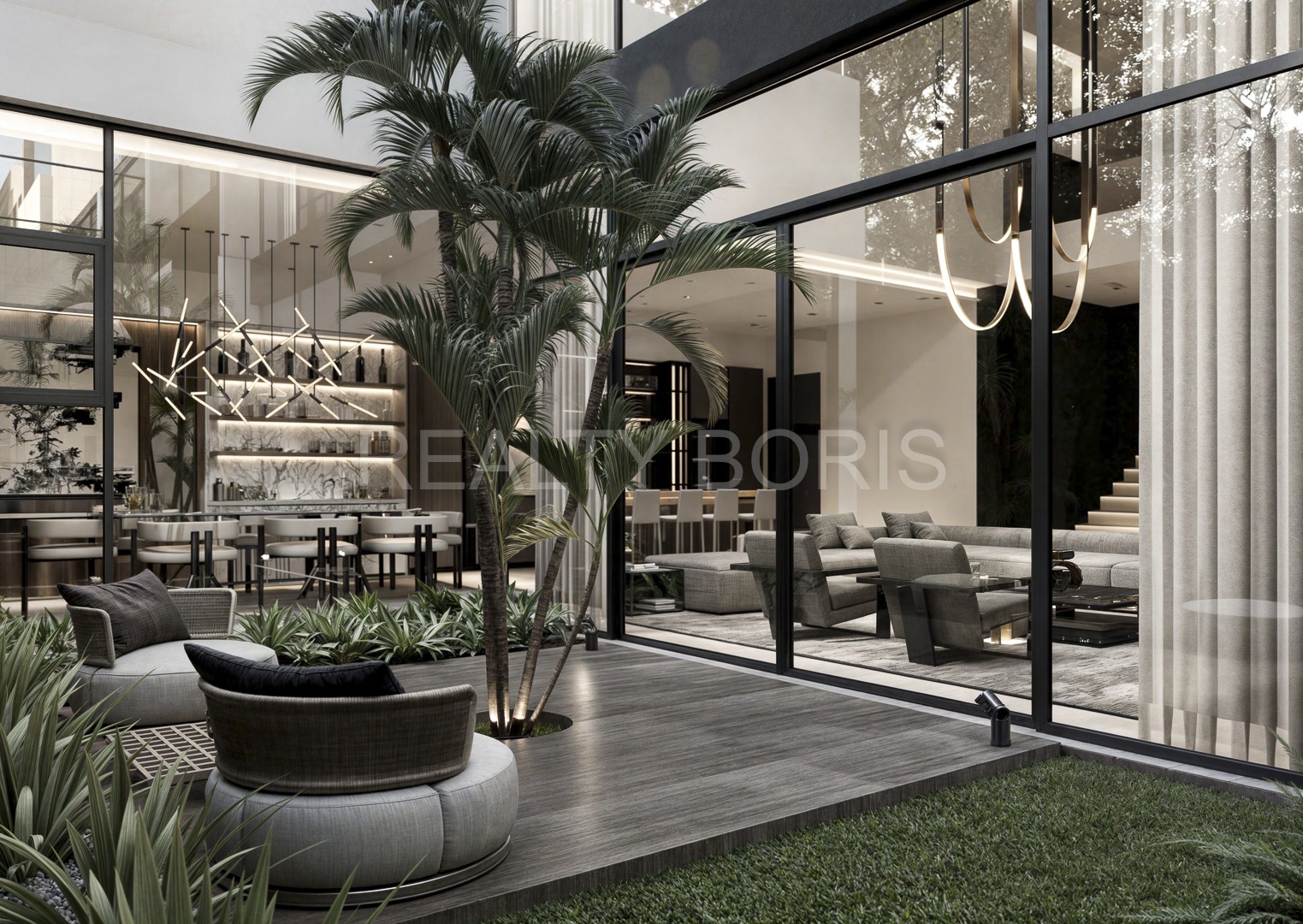


When investing in Nairobi real estate, one of the most important strategic decisions is choosing between furnished vs unfurnished apartments. This choice directly impacts rental income, tenant profile, occupancy rates, and long-term returns.
Both options have clear advantages, and the right choice depends on your investment goals — whether you are targeting short-term income, long-term stability, or a balanced strategy.
In Nairobi’s dynamic market, demand exists for both furnished and unfurnished units, particularly in high-demand areas such as Westlands, Kilimani, and Riverside.
At Realty Boris, we guide investors by aligning their rental strategy with market demand, location, and financial objectives.
Below are 7 key differences between furnished vs unfurnished apartments.
Rental Income Potential
Furnished apartments:
- Higher rental rates
- Premium pricing for convenience
- Ideal for short-term stays
Unfurnished apartments:
- Lower monthly rent
- Stable long-term income
- Less price fluctuation
👉 Key Insight:
Furnished units generate higher income, but unfurnished units offer consistency.
Target Tenant Profile
Furnished apartments attract:
- Business travelers
- Expatriates
- Short-term renters
- Corporate clients
Unfurnished apartments attract:
- Families
- Long-term residents
- Local professionals
👉 Key Insight:
Tenant profile determines rental strategy success.
Occupancy and Vacancy Rates
Furnished apartments:
- Higher turnover
- Dependent on short-term demand
- Can have seasonal fluctuations
Unfurnished apartments:
- Longer tenant stays
- Lower vacancy rates
- More predictable occupancy
👉 Key Insight:
Unfurnished units provide stability, furnished units offer flexibility.
Initial Investment Cost
Furnished apartments:
- Higher upfront cost
- Requires furniture and appliances
- Additional setup expenses
Unfurnished apartments:
- Lower initial investment
- Minimal setup required
👉 Key Insight:
Furnished units require more capital but can yield higher returns.
Maintenance and Management

Furnished apartments:
- Higher maintenance costs
- Furniture replacement and upkeep
- More active management required
Unfurnished apartments:
- Lower maintenance
- Fewer ongoing expenses
- Easier to manage
👉 Key Insight:
Unfurnished units are simpler to maintain.
Rental Flexibility
Furnished apartments:
- Suitable for Airbnb and short-term rentals
- Flexible pricing strategies
- Can switch between rental models
Unfurnished apartments:
- Primarily long-term rentals
- Limited flexibility
👉 Key Insight:
Furnished units allow dynamic rental strategies.
Location Suitability
The success of furnished vs unfurnished apartments depends heavily on location.
Best for Furnished Apartments:
- Westlands → High short-term demand
- Kilimani → Strong Airbnb market
- Riverside → Expatriate tenants
Proximity to hubs like Sarit Centre and Yaya Centre enhances performance.
Best for Unfurnished Apartments:
- Kileleshwa → Stable residential demand
- Lavington → Family-oriented living
- Runda → Long-term tenants
👉 Key Insight:
Location determines which strategy performs best.
Which Option Is Best for You?

Choosing between furnished vs unfurnished apartments depends on your goals:
Choose Furnished Apartments If You Want:
- Higher rental income
- Short-term or Airbnb strategy
- Flexibility in pricing
Choose Unfurnished Apartments If You Want:
- Stable, long-term income
- Lower maintenance
- Less active management
Common Mistakes Investors Should Avoid
When deciding between furnished vs unfurnished apartments, avoid:
- Choosing the wrong strategy for the location
- Ignoring target tenant demand
- Underestimating furnishing costs
- Overestimating short-term rental income
At Realty Boris, we guide clients toward strategies that maximize returns while minimizing risk.
Final Thoughts
Choosing between furnished vs unfurnished apartments in Nairobi is a strategic decision that can significantly impact your investment performance.
Furnished apartments offer the advantage of higher rental income and flexibility, making them ideal for investors targeting short-term renters, expatriates, and corporate clients. They perform particularly well in high-demand, lifestyle-driven areas where convenience and accessibility are key.
On the other hand, unfurnished apartments provide stability and predictability. They attract long-term tenants who are more likely to stay for extended periods, ensuring consistent rental income and lower management requirements.
Both strategies have their place in a successful real estate portfolio:
- Furnished apartments for higher returns and flexibility
- Unfurnished apartments for stability and long-term income
The key to success lies in aligning your choice with:
- Your investment goals
- The location of the property
- The target tenant profile
Areas such as Westlands and Kilimani continue to perform strongly for furnished units, while Kileleshwa and Lavington offer stability for unfurnished rentals.
As Nairobi’s real estate market continues to evolve, demand for both furnished and unfurnished apartments will remain strong — but success will depend on choosing the right strategy for the right location.
At Realty Boris, we consistently emphasize that the most successful investments are those built on clear strategy, strong location fundamentals, and market-driven decisions.
For investors looking to maximize returns and build a sustainable portfolio, understanding the difference between furnished and unfurnished apartments is not just helpful — it is essential for making smart real estate decisions in Nairobi.
Call to Action
Not sure whether to invest in furnished or unfurnished apartments? Our team is ready to guide you based on your goals, budget, and target market.
Reach out to Realty Boris and choose the right strategy for your real estate investment.