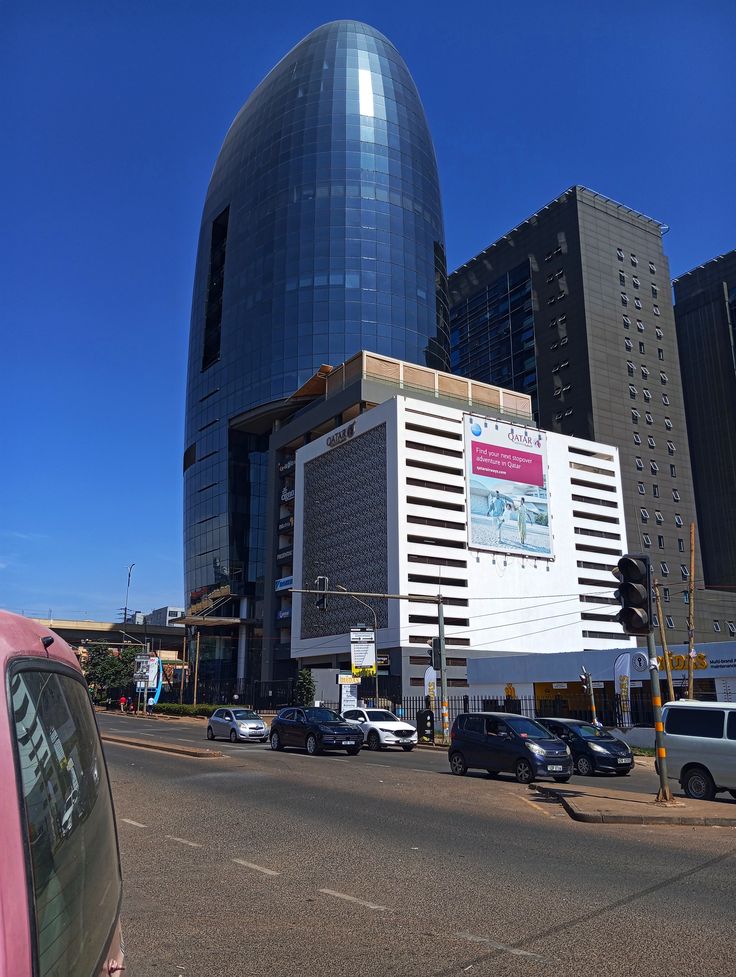
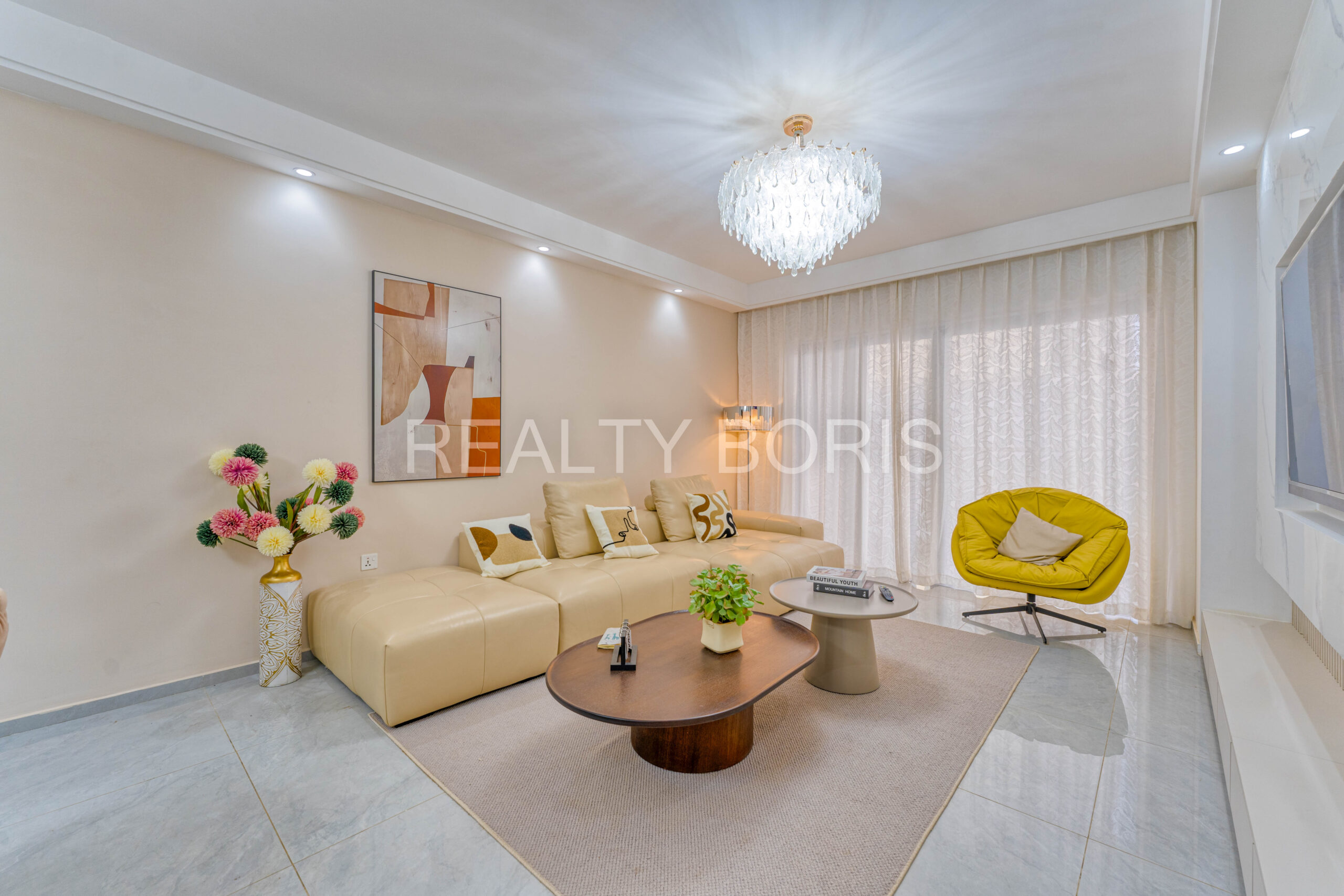

Understanding Nairobi’s real estate growth zones is essential for investors looking to maximize returns through early entry, capital appreciation, and strategic positioning. As the city expands and evolves, growth is no longer limited to traditional hotspots — it is increasingly driven by emerging corridors, infrastructure development, and shifting demand patterns.
For investors, the most valuable opportunities often lie in areas that are still developing but show clear signs of future growth.
At Realty Boris, we consistently guide clients to focus not only on where demand exists today, but also where it is rapidly increasing.
Below are 8 of Nairobi’s real estate growth zones, based on development activity, infrastructure, and investment potential.
Kilimani Expansion Corridors – Continued Urban Growth

Kilimani remains a core market, but its surrounding zones are now driving growth.
These areas are experiencing:
- Increasing apartment developments
- Rising rental demand spillover
- Infrastructure improvements
👉 Growth Driver:
Overflow demand from a saturated core market.
Kileleshwa – Transformation into a Modern Residential Hub
Kileleshwa is undergoing a major transformation.
It offers:
- New apartment developments
- Improved infrastructure
- Increasing investor interest
👉 Growth Driver:
Shift from low-density housing to high-demand apartments.
Lavington – Redevelopment and Rising Land Value

Lavington is evolving into a major growth zone.
It features:
- Redevelopment of large plots
- Increasing density
- Growing demand
👉 Growth Driver:
Land value optimization and urban expansion.
Westlands Surrounding Zones – Spillover Growth
As Westlands becomes saturated, nearby areas are growing rapidly.
These zones benefit from:
- Proximity to commercial activity
- High rental demand
- Lower entry prices
👉 Growth Driver:
Expansion of a major business hub.
Riverside Extensions – Premium Growth Opportunity

Riverside continues to expand beyond its traditional boundaries.
These areas offer:
- Access to luxury developments
- Strong expatriate demand
- Increasing property values
👉 Growth Driver:
Expansion of premium residential zones.
Upper Hill Residential Shift – Emerging Mixed-Use Growth
Upper Hill is transitioning from purely commercial to mixed-use.
It attracts:
- Professionals
- Corporate tenants
- Short-term renters
👉 Growth Driver:
Commercial-to-residential transition.
Loresho – Rising Demand for Low-Density Living
Loresho is gaining attention among investors.
It offers:
- Low-density environment
- Increasing demand for space
- Proximity to key areas
👉 Growth Driver:
Shift toward lifestyle and privacy.
Ngong Road Corridor – Affordable Growth Zone

The Ngong Road corridor is one of Nairobi’s fastest-growing areas.
It provides:
- Lower entry prices
- Strong connectivity
- Rapid development
👉 Growth Driver:
Infrastructure and affordability.
What Defines Nairobi’s Real Estate Growth Zones?
These growth zones share several key characteristics:
Infrastructure Development
Improved roads and connectivity increase value.
Proximity to Established Areas
Growth spreads outward from high-demand zones.
Increasing Demand
Rising interest from tenants and buyers.
Development Activity
New projects signal future growth.
Why Investors Should Focus on Growth Zones

Investing in Nairobi’s real estate growth zones offers:
- Lower entry prices
- Higher appreciation potential
- Early access to emerging markets
- Long-term value creation
How to Identify Growth Zones
Investors should look for:
- Ongoing construction and developments
- Infrastructure projects
- Increasing rental demand
- Proximity to business hubs
Common Mistakes Investors Should Avoid
When targeting growth zones, avoid:
- Entering too late
- Ignoring infrastructure limitations
- Choosing poor micro-locations
- Overlooking demand trends
At Realty Boris, we guide clients toward investments that combine growth potential and strong fundamentals.
Final Thoughts
Understanding Nairobi’s real estate growth zones is one of the most powerful strategies for investors looking to stay ahead of the market.
In a rapidly expanding city, growth is no longer confined to traditional prime areas. Instead, it is being driven by emerging locations that offer a combination of accessibility, infrastructure development, and increasing demand. These areas present unique opportunities for investors to enter the market at a lower cost while benefiting from long-term appreciation.
What makes growth zones particularly attractive is their ability to deliver:
- Early investment opportunities
- Strong capital appreciation
- Increasing rental demand
- Strategic positioning near established hubs
However, successful investment in growth zones requires careful analysis. Not every developing area will achieve sustained growth, and the key lies in identifying locations with strong underlying fundamentals.
From a strategic perspective, investors should focus on:
- Areas with visible development activity
- Locations near commercial and business hubs
- Zones with improving infrastructure
- Neighborhoods with rising demand
As Nairobi continues to grow into a regional economic powerhouse, these growth zones will play a critical role in shaping the future of the property market.
At Realty Boris, we consistently emphasize that the most successful investments are those made before a location reaches its full potential.
For investors looking to maximize returns and build long-term wealth, focusing on Nairobi’s real estate growth zones is not just a strategy — it is a competitive advantage in today’s market.
Call to Action
Looking to invest in Nairobi’s real estate growth zones? Our team is ready to guide you toward high-potential areas, evaluate opportunities, and secure the right investment.
Reach out to Realty Boris and position yourself ahead of the market.