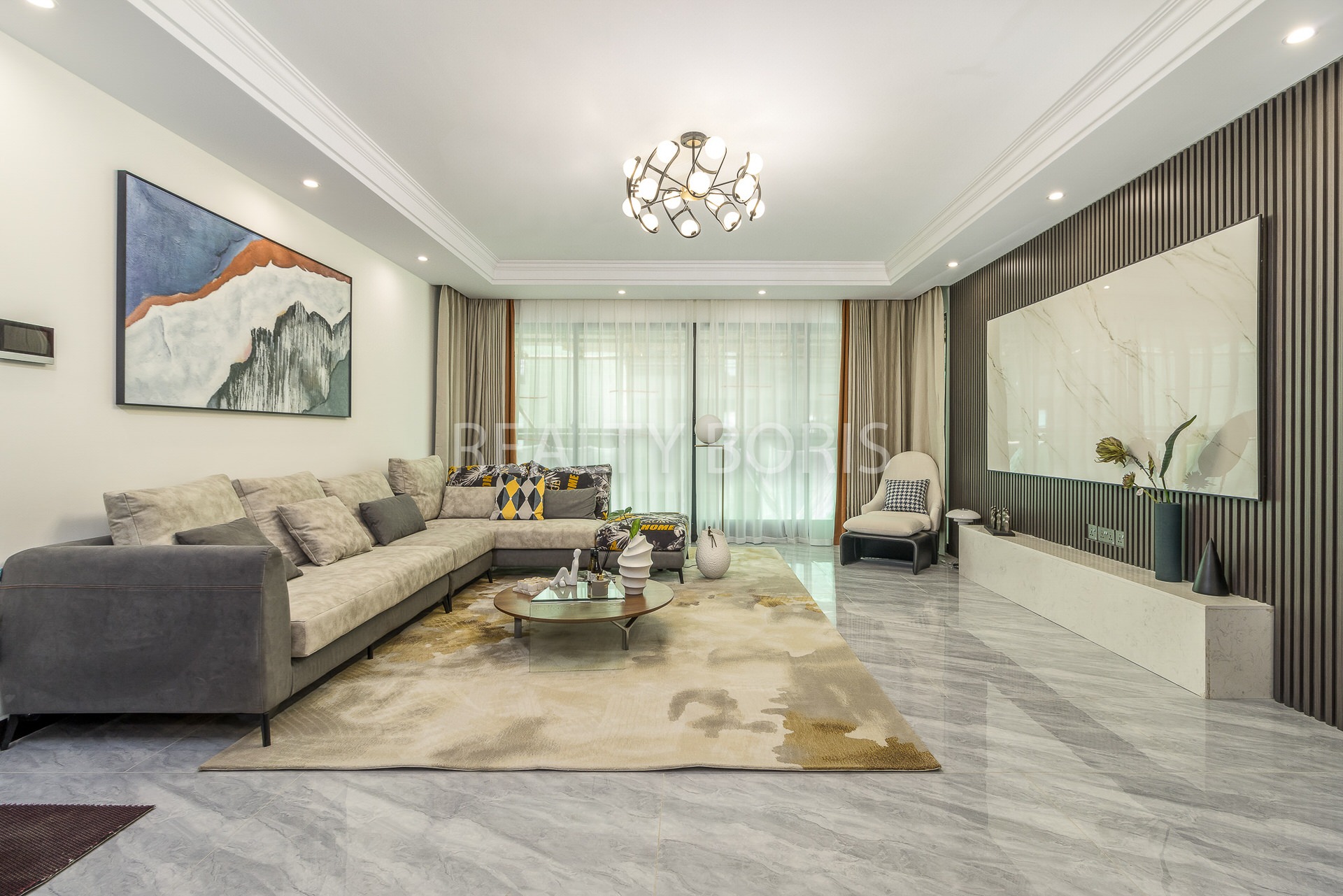


If you want better entry-level ROI then Prime Nairobi suburbs — Kilimani, Lavington, Westlands, Kileleshwa, Riverside, Spring Valley, Parklands, and select Karen fringes — remain the city’s most desirable residential investment zones in 2026. These neighbourhoods combine central location, strong security, top international schools, hospitals, malls, and business access, attracting young professionals, expatriates, small families, and strategic investors.
For entry-level investors (deploying KES 10–40 million rather than 60M+), the choice between a 1-bedroom unit and a 3-bedroom apartment in these prime suburbs often comes down to one critical metric: better entry-level ROI. While 3-bedroom units deliver higher absolute rental income and prestige, 1-bedroom apartments consistently outperform on cash-on-cash return, yield percentage, turnover speed, holding cost efficiency, and portfolio scalability. This 2026 analysis explains exactly why smaller 1-bedroom units provide superior entry-level ROI in Nairobi’s top prime suburbs — and when a 3-bedroom might still be the right move.
1. Entry Capital & Affordability Gap (2026 Averages)
- 1-bedroom units in prime suburbs Price range: KES 16–32 million (Kilimani/Lavington/Riverside averages KES 20–26M) Down payment (20–30%): KES 3.2–9.6 million Mortgage accessibility: High (easier approval, lower monthly commitment)
- 3-bedroom apartments in prime suburbs Price range: KES 35–75 million (same suburbs average KES 45–60M) Down payment: KES 9–18 million Mortgage commitment: Significantly higher (debt-service ratio strain)
Reality: 1-bedroom units require 60–75% less capital to enter — making them far more accessible for first-time investors, young professionals building wealth, or those diversifying across multiple properties in prime suburbs.
2. Rental Yields & Cash-on-Cash ROI
Cash-on-cash ROI measures net annual return relative to actual cash invested (down payment + closing costs), not total property value.
- 1-bedroom units in prime suburbs Monthly rent (furnished): KES 95,000–180,000 Gross yield: 7.5–10% Net yield after expenses: 6.0–8.5% Cash-on-cash ROI (20% down): 12–18% (strong)
- 3-bedroom apartments in prime suburbs Monthly rent (furnished): KES 180,000–350,000 Gross yield: 6.0–8.5% Net yield: 4.5–7.0% Cash-on-cash ROI (20% down): 8–13% (lower)
Key Advantage: 1-bedroom units deliver 30–50% higher cash-on-cash ROI because the same net income is earned on a much smaller cash outlay — the defining metric for entry-level investors in prime suburbs.
3. Tenant Demand & Vacancy Speed

- 1-bedroom units in prime suburbs Tenant pool: young professionals, single expats, DINKs, short-term corporate relocations, postgraduate students. Vacancy risk: Very low (2–5 weeks average letting time) Demand volume: Highest segment in prime suburbs — fastest turnover
- 3-bedroom apartments in prime suburbs Tenant pool: families (1–3 children), mid-to-senior expats, diplomats on longer contracts. Vacancy risk: Low to moderate (4–10 weeks) Demand volume: Solid but narrower and more selective
Winner: 1-bedroom units have faster turnover and lower vacancy — reducing lost income and increasing effective ROI in prime suburbs.
4. Monthly Holding & Operating Costs
- 1-bedroom units in prime suburbs Service charge: KES 9,000–16,000/month Utilities/maintenance: KES 8,000–20,000/month Total average monthly cost: KES 17,000–36,000
- 3-bedroom apartments in prime suburbs Service charge: KES 15,000–30,000+/month Utilities/maintenance: KES 15,000–40,000+/month Total average monthly cost: KES 30,000–70,000+
Advantage: 1-bedroom units cost 45–60% less to hold — boosting net cash flow and ROI in prime suburbs.
5. Capital Appreciation & Exit Liquidity

- 1-bedroom units in prime suburbs Appreciation: 7–11% YoY in quality gated estates Resale liquidity: Very high (young professionals, investors upgrading)
- 3-bedroom apartments in prime suburbs Appreciation: 8–13% YoY (family demand + scarcity) Resale liquidity: High but slower (more selective buyers)
Winner: 3-bedroom units slightly outperform on appreciation, but 1-bedrooms win on liquidity — easier and faster to exit in prime suburbs.
6. Portfolio Scalability & Risk Diversification
- A KES 50 million budget buys 2–3 one-bedrooms vs. only 1 three-bedroom unit.
- Multiple 1-bedroom units spread risk across different buildings/blocks — better protection against single-property issues (e.g., levy increases, maintenance surprises) in prime suburbs.
Advantage: 1-bedroom units enable faster portfolio growth and better diversification at entry level.
7. When 3-Bedroom Units Still Make Sense in Prime Suburbs
- Owner-occupier families needing space for children, home office, guests
- Long-term legacy plays (stronger prestige and absolute growth)
- Investors targeting high-income families/diplomats willing to pay premium rents
Final Verdict – Better Entry-Level ROI in 2026
1-bedroom units win for better entry-level ROI in prime Nairobi suburbs because they offer:
- Lower capital requirement
- Higher cash-on-cash returns
- Faster turnover & lower vacancy
- Lower holding costs
- Easier portfolio scaling & diversification
3-bedroom apartments are better for absolute income, family lifestyle, or maximum long-term appreciation — but they require significantly more capital and deliver lower percentage returns on invested money.
In 2026, if your focus is entry-level ROI, cash flow efficiency, and building a diversified portfolio, 1-bedroom units in prime suburbs like Kilimani, Lavington, Westlands, and Riverside remain the smarter starting point.
Call to Action: Ready to explore 1-bedroom units or compare 3-bedroom options in prime Nairobi suburbs? Visit Realty Boris offices today for a private, in-depth discussion with our expert team. We’ll show you current high-ROI listings and help you decide which unit type maximizes your entry-level returns. Contact us to schedule your visit and take the next step toward building your elite portfolio.