
Upmarket areas in Nairobi can command dramatically higher property prices and rents than other parts of the city.
A two-bedroom apartment may cost KSh 10 million in one location and KSh 20 million or more in another.
A family home may cost KSh 40 million in one neighbourhood and well over KSh 150 million in another.
So what exactly are buyers paying for?
Is it simply prestige?
Or do premium neighbourhoods actually provide better access, more space, stronger security, better infrastructure and a higher quality of life?
The answer is not as simple as saying expensive neighbourhoods are automatically better.
Nairobi’s premium residential market contains several very different lifestyles.
According to the Kenya National Bureau of Statistics Residential Property Price Index, neighbourhoods such as Karen, Riverside, Lavington, Runda and Kitisuru fall within its Nairobi Upper residential segment, while Westlands, Kileleshwa and Kilimani sit within Nairobi Middle. The official classification itself demonstrates that Nairobi’s residential property market is highly segmented.
But even within those premium areas, buyers are paying for very different things.
Here are eight truths about living in upmarket areas in Nairobi and whether the premium is actually worth paying.
1. What Makes a Neighbourhood an Upmarket Area in Nairobi?
An upmarket neighbourhood is not defined only by expensive houses.
Several factors usually combine to create a premium residential market.
Location
Proximity to major employment areas, international schools, shopping centres, hospitals and important transport routes can increase demand.
Low-Density Living
Areas such as Karen and Runda can command premiums because buyers get something increasingly difficult to find near central Nairobi:
land and privacy.
Security
Gated compounds, controlled access, private security and stronger neighbourhood associations can all affect buyer preferences.
Infrastructure
Good roads, reliable utilities and easier access to employment centres improve everyday convenience.
For example, the Nairobi Expressway connects Mlolongo to James Gichuru Road and includes interchanges at Museum Hill and Westlands, strengthening access across one of Nairobi’s major commercial corridors. KeNHA’s official Nairobi Expressway information confirms the 27.1-kilometre route and its major interchanges.
Amenities
Premium neighbourhoods typically offer access to:
- International schools
- Hospitals
- Restaurants
- Shopping centres
- Gyms
- Entertainment
- Professional services
Scarcity
This is often underestimated.
You can build thousands of apartments.
You cannot easily create another Karen with large established plots and mature greenery close to Nairobi.
Scarcity can therefore become part of the premium.
2. Why Do Property Prices Differ So Much Between Nairobi Locations?
Location changes the economic value of a property.
A four-bedroom home is not valued simply by counting its bedrooms.
Buyers are also paying for:
- Land
- Accessibility
- Neighbourhood reputation
- Security
- Nearby amenities
- Infrastructure
- Development restrictions
- Future demand
This is why two similar-looking homes can have dramatically different prices.
KNBS’ official Residential Property Price Index specifically adjusts for property characteristics and location because residential values cannot be compared accurately without accounting for these differences.
Consider two hypothetical four-bedroom homes.
Home A
- Larger plot
- Quiet street
- Premium school access
- Strong security
- Mature residential surroundings
Home B
- Same bedroom count
- Smaller plot
- More traffic
- Fewer nearby amenities
Even if both houses are beautifully finished, their market values may differ substantially.
A buyer is not purchasing only the building.
They are purchasing the location around the building.
3. Why Do People Pay So Much to Live in Expensive Neighbourhoods?
For many buyers, the biggest premium is not the house.
It is time and convenience.
Suppose one household spends an additional two hours every day commuting.
Over a year, that becomes hundreds of hours.
A family may therefore willingly pay more to live closer to:
- Work
- Schools
- Shopping
- Medical facilities
- Restaurants
- Social life
Other buyers pay for privacy.
Someone moving from a dense apartment environment to Karen may value:
- A private garden
- Fewer neighbours
- Space for children
- Home offices
- Parking
- Quiet
Another buyer may prefer Westlands because being close to offices, restaurants and entertainment matters more than having a large compound.
This demonstrates an important point:
Luxury is not one lifestyle.
It can mean space.
It can mean convenience.
It can mean privacy.
It can mean being able to walk to work.
The premium is worth paying only when it buys something you personally value.
4. What Would KSh 30 Million Buy Across Upmarket Areas in Nairobi?
This is where neighbourhood differences become very clear.
KSh 30 million is a substantial property budget, but it can buy very different homes depending on location.
The examples below are broad market-positioning illustrations, not fixed valuations. Exact prices vary by development, age, size, plot, finish and negotiation.
Westlands
KSh 30 million could place a buyer in the market for a high-quality two- or three-bedroom apartment in many developments, depending on size and luxury level.
The appeal is:
- Commercial access
- Corporate rental demand
- Restaurants
- Shopping
- Infrastructure
You are primarily paying for convenience and centrality.
Riverside
The same budget can buy a premium apartment, although exceptionally large or ultra-luxury units may exceed it.
Riverside offers a more residential environment while keeping Westlands nearby.
You are paying for:
centrality + quieter premium living.
Kilimani
KSh 30 million can potentially secure a significantly larger apartment or higher-end unit than the buyer might obtain in some premium Westlands towers.
The trade-off may include greater development density.
Kileleshwa
Buyers can often compare modern two- and three-bedroom apartments, including larger family-oriented units.
Kileleshwa can provide a useful middle ground between:
- central access
- residential character
- apartment size
Lavington
KSh 30 million may provide access to larger apartments and selected townhouse-style opportunities depending on the project and age.
Lavington generally appeals more strongly to family-oriented buyers.
Karen
This is where the comparison changes.
KSh 30 million is not necessarily a luxury-mansion budget in established Karen.
It may provide access to:
- Selected townhouses
- Smaller homes
- Apartments in newer developments
- Properties on smaller parcels
Traditional large Karen homes on substantial plots can require considerably more capital.
The key lesson is:
The same KSh 30 million buys convenience in one area and space in another.
5. What Surprises People Most After Moving to an Upmarket Area?
One of the biggest surprises is that premium living still comes with inconveniences.
Paying more does not eliminate every Nairobi problem.
Traffic Still Exists
A premium address does not guarantee a painless commute.
A buyer should test the route during morning and evening traffic before purchasing.
Service Charges Can Be High
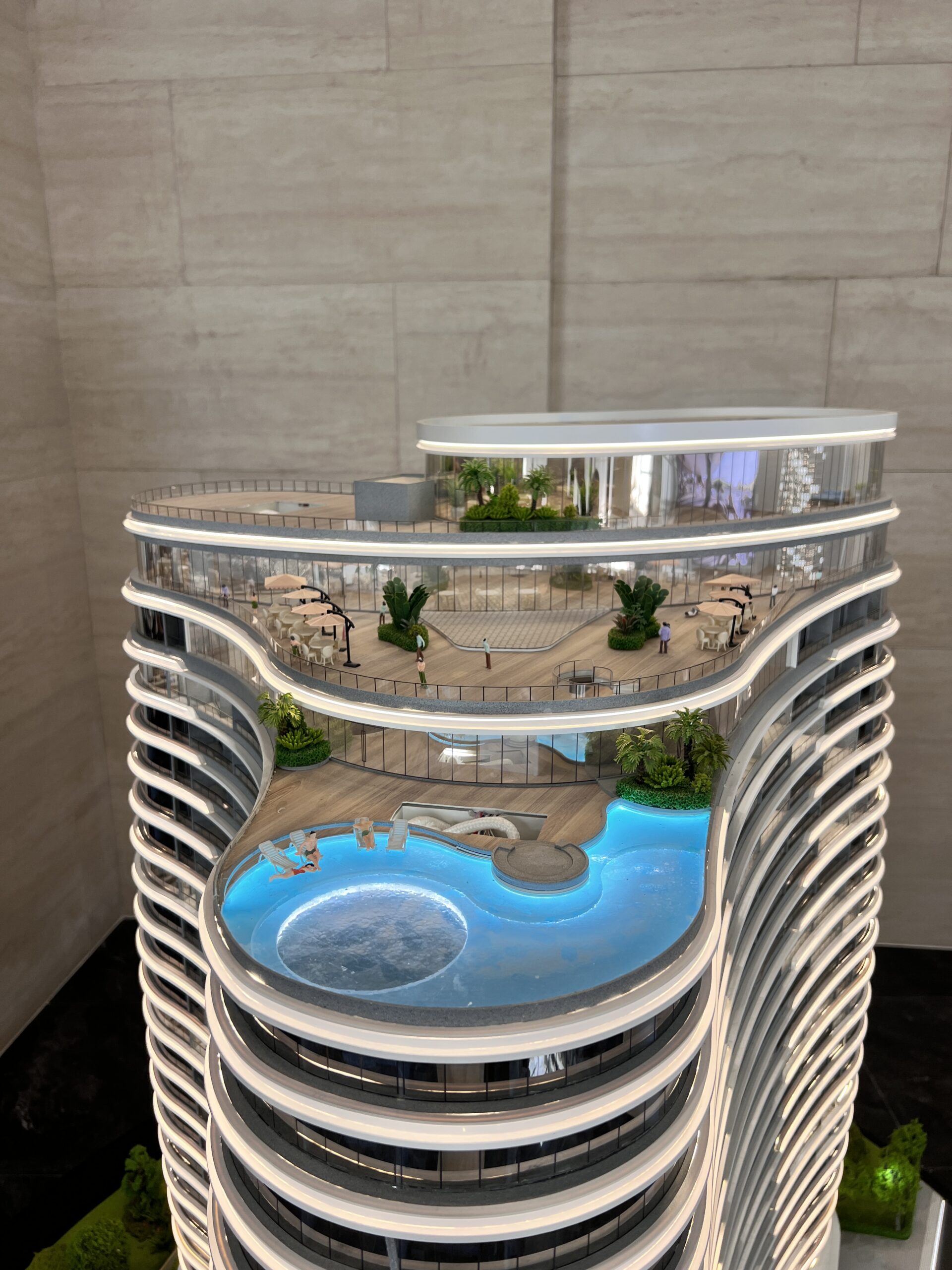
Luxury apartment developments may include:
- Heated pools
- Gyms
- Multiple lifts
- Concierge
- Backup generators
- Landscaped gardens
- Rooftop lounges
All of these cost money.
The impressive amenities you admire during the viewing eventually need to be maintained.
Large Houses Are Expensive to Maintain
A Karen or Runda home may require:
- Gardeners
- Security
- Repairs
- Water systems
- Larger electricity consumption
- Roof maintenance
- Compound maintenance
The purchase price is only the beginning.
Construction Can Change a Neighbourhood
A quiet apartment view today may become a construction site next year.
This is especially important in increasingly dense areas such as:
- Kilimani
- Kileleshwa
- Westlands
The most expensive property does not necessarily guarantee permanent peace and quiet.
6. Is Renting an Expensive Home Sometimes Better Than Buying?
Absolutely.
There is a widespread belief that renting a luxury property means “wasting money.”
That is too simplistic.
Consider someone who wants to live in a KSh 100 million home.
Buying requires:
- Large capital commitment
- Legal transaction costs
- Maintenance
- Property-related charges
- Potential financing
But renting may allow the household to enjoy the same neighbourhood without locking KSh 100 million into one property.
This can make sense for:
- Expatriates
- Executives on fixed-term contracts
- Families uncertain where they want to settle
- Business owners who need capital elsewhere
- People testing a neighbourhood
Renting can also be useful before buying.
Live in Karen for one year.
You may discover that you love the space but dislike the commute.
Or rent in Westlands.
You may realise you value the convenience more than you expected.
The 2023/24 Kenya Housing Survey confirms how significant rental housing is within Kenya’s urban housing market and examines affordability, tenancy and housing conditions in detail.
Renting is not always the inferior financial decision.
It depends on:
- How long you intend to stay
- Cost of rent
- Purchase price
- Investment alternatives
- Financing
- Expected appreciation
7. How Does Your Neighbourhood Affect Quality of Life?
A property can be spectacular and still produce a poor lifestyle if the location does not fit your daily routine.
Quality of life is affected by:
Commute
How long do you spend reaching work?
Schools
How far are your children’s schools?
Social Life
Are your preferred restaurants, gyms and entertainment nearby?
Medical Access
How quickly can you reach healthcare?
Green Space
Do you value trees, gardens and lower-density surroundings?
Noise
Are you beside a major road or nightlife zone?
Privacy
How many households share your building or compound?
These considerations explain why there is no universally best premium Nairobi neighbourhood.
A senior executive working in Westlands may value Riverside more highly than Karen.
A family with children in schools around Karen may reach the opposite conclusion.
The “best” location depends on how the neighbourhood interacts with your life.
8. What Is Changing in Upmarket Areas in Nairobi?
The biggest change is density.
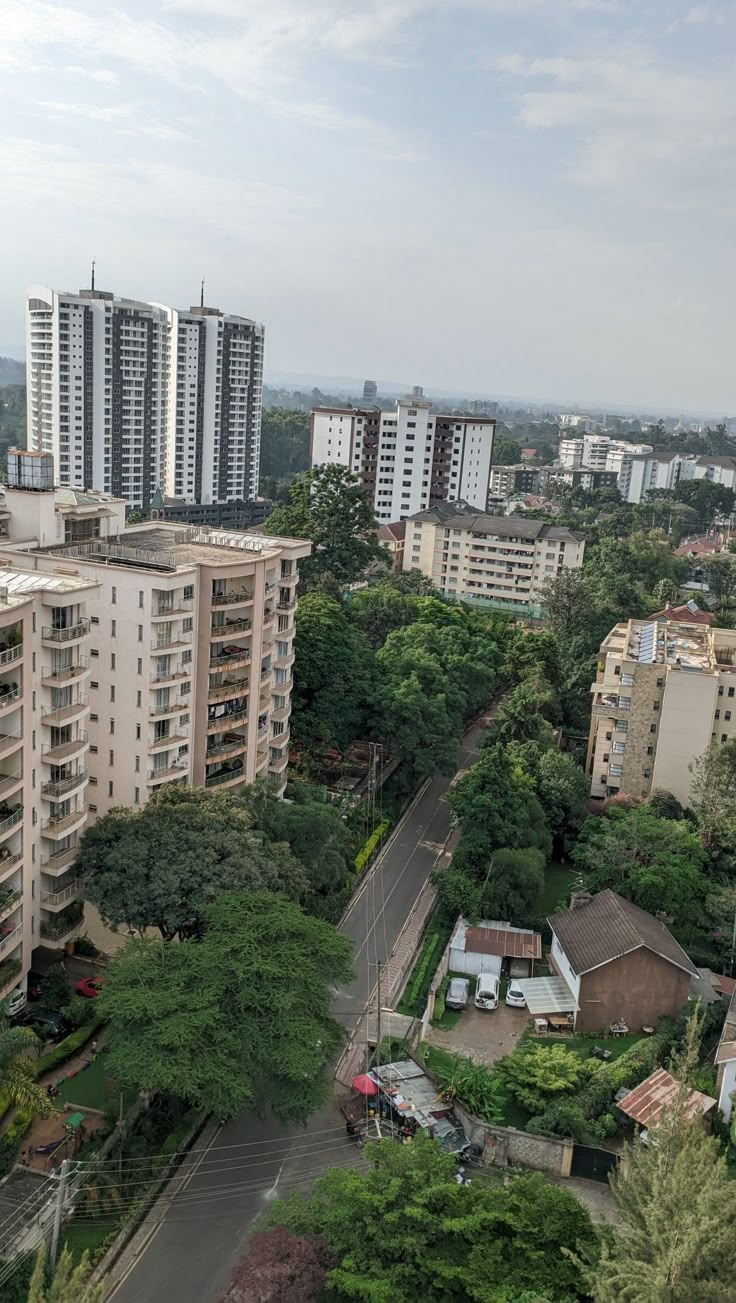
Many traditionally low-density Nairobi neighbourhoods have been moving toward higher-density residential development.
Apartment towers are increasingly common across:
- Westlands
- Kilimani
- Kileleshwa
- Lavington
- Riverside
This changes both property supply and lifestyle.
Older apartments often offered:
- Large rooms
- Fewer units
- Larger balconies
New developments increasingly offer:
- Smaller efficient layouts
- More amenities
- Higher density
- Smart-home features
- Modern security
This creates a new premium-market trade-off:
space versus facilities.
KNBS’ 2026 Residential Property Price Index demonstrates that apartment and standalone-house markets can move differently. In Q1 2026, for example, apartment indices in Nairobi Upper and Nairobi Middle were below their Q1 2025 levels, while standalone-house indices increased across all strata.
That does not mean every house outperformed every apartment. It shows why buyers should distinguish between property types rather than treating “Nairobi luxury property” as one single market.
Which Upmarket Area Has the Best Balance of Space, Convenience and Investment Value?
There is no perfect winner, but each major premium area has a strong case.
Westlands – Best for Convenience

Strong for:
- Professionals
- Corporate tenants
- Investors
- Buyers prioritising central access
Weakness:
- Higher density
- Premium pricing
Riverside – Best Balance of Premium Living and Westlands Access
Strong for:
- Executives
- Investors
- Diaspora buyers
- Premium apartment living
Weakness:
- Purchase prices can be high
Kileleshwa – Strong Balance of Space and Central Access
Strong for:
- Families
- Professionals
- Investors
- Buyers who want larger apartments
Weakness:
- Increasing density
Lavington – Strong for Families
Strong for:
- Larger units
- Family living
- Residential character
Weakness:
- Less commercially central than Westlands
Karen – Best for Space and Privacy
Strong for:
- Families
- Large homes
- Gardens
- Privacy
Weakness:
- Commute
- Maintenance
- Higher entry prices for traditional large homes
Runda – Strong for Privacy and Premium Family Living
Strong for:
- Large homes
- Controlled residential character
- Families
- Security
Weakness:
- Distance from some major business areas
If I Had KSh 190 Million, Where Would I Spend It?
This is where the answer becomes very personal.
If the goal were primarily my own home, I would place Karen very high on the list.
Why?
At KSh 190 million, the buyer is no longer forced to compromise as heavily between:
- House size
- Land
- Privacy
- Garden
- Parking
- Family space
That level of capital can potentially access a category of property where Karen’s underlying advantage—land and lifestyle—becomes more meaningful.
I would prioritise:
- A good micro-location
- Mature surroundings
- Strong road access
- A usable plot rather than simply the largest plot
- Good structural quality
- Practical family layout
- Privacy
- Security
I would rather buy an excellent home in the right part of Karen than spend the same amount on an extremely large apartment simply because it has luxury finishes.
But that answer changes if the KSh 190 million is primarily an investment budget.
For investment, I would be reluctant to concentrate the entire KSh 190 million into one personal residence.
I would compare diversification across several income-generating properties in areas such as:
- Westlands
- Riverside
- Kileleshwa
because investment property needs to be assessed differently from a home.
A home is partly a financial decision.
It is also a lifestyle purchase.
Is Upmarket Living Actually Worth the Money?
Sometimes, yes.
Sometimes, absolutely not.
It depends on what the premium buys you.
Paying more can make sense where it gives you:
- Dramatically shorter commuting times
- Better security
- More privacy
- Larger land
- Better schools nearby
- Stronger rental demand
- Better resale liquidity
But paying twice as much simply because the address sounds prestigious may not be financially sensible.
This is particularly important for investors.
A KSh 50 million apartment does not automatically produce twice the investment value of a KSh 25 million apartment.
For owner-occupiers, however, financial yield is not the only measure.
If living ten minutes from your office gives you an extra hour with your family every evening, that convenience has value even though it will never appear in a rental-yield calculation.
A Better Way to Compare Upmarket Areas in Nairobi
Instead of asking:
“Which neighbourhood is the most expensive?”
score each area on:
- Space
- Commute
- Security
- Schools
- Shopping
- Lifestyle
- Purchase price
- Rental potential
- Resale potential
- Maintenance cost
Then weight those categories according to what actually matters to you.
A young professional and a family of six should not end up with the same answer.
Final Thoughts on Upmarket Areas in Nairobi
Upmarket areas in Nairobi are expensive because buyers are rarely paying only for four walls.
They are paying for combinations of:
- Land
- Location
- Time
- Privacy
- Infrastructure
- Amenities
- Security
- Scarcity
- Lifestyle
KNBS’ official property data confirms that Nairobi contains distinct residential segments and that property type and geographic location materially affect how residential values move.
The premium is worthwhile when the neighbourhood provides benefits you genuinely use.
Karen may be worth the money for a family prioritising land, privacy and outdoor space.
Westlands may be worth it for someone whose work and social life are concentrated there.
Riverside may provide one of the strongest compromises between centrality and quieter premium living.
Kileleshwa may offer a particularly attractive balance between apartment size, location and price.
The right question is therefore not:
“Is upmarket living overpriced?”
It is:
“What am I actually getting for the premium—and does it improve my life enough to justify the cost?”
If the answer is yes, premium property can be worth every shilling.
If the answer is simply prestige, there may be much better uses for your money.
Considering an Off-Plan or Newly Completed Apartment or Home in Nairobi?
Contact Realty Boris to explore carefully selected developments and homes across Westlands, Kilimani, Kileleshwa, Riverside, Lavington, Karen and Nairobi’s other premium locations—and compare space, convenience, purchase price, lifestyle, rental potential, developer quality and legal documentation before committing to a property or making substantial payments.