Apartment Building Approval in Kenya: 9 Critical Safety Checks Every Buyer Must Make

Apartment building approval in Kenya should be one of the first things a property buyer checks before paying a deposit, signing an off-plan agreement or purchasing a completed apartment.
A beautiful showroom is not proof of approval.
A completed 20-storey building is not proof of structural safety.
A developer having sold hundreds of units is not proof that every required approval is in place.
And a building simply standing for several years does not guarantee that it was properly designed, supervised or maintained.
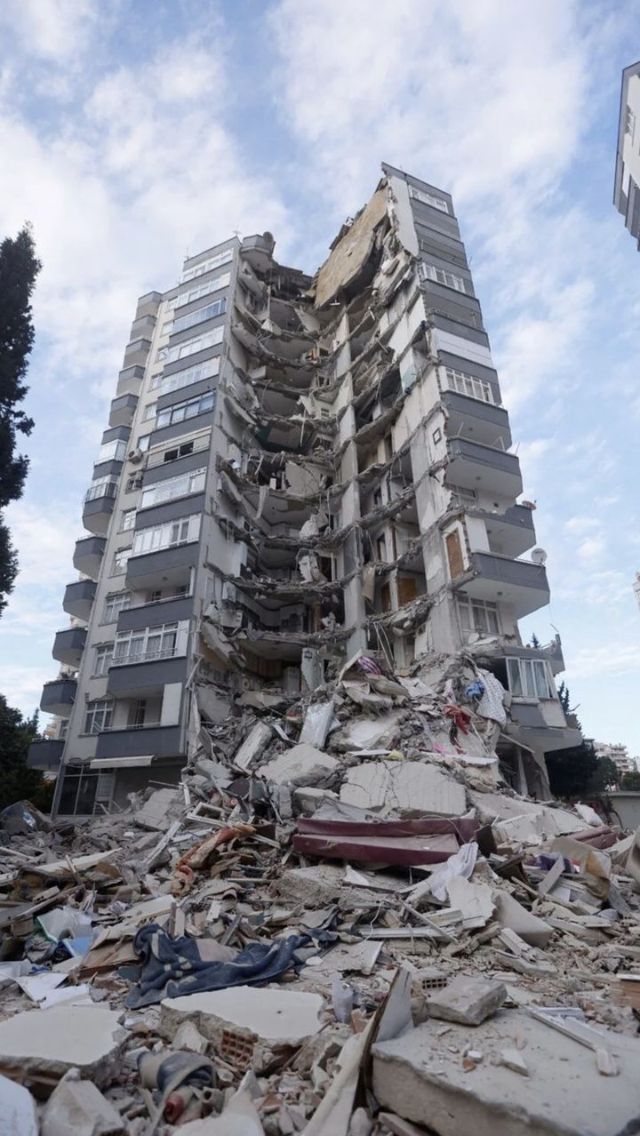
These questions became even more important after a multi-storey building under construction in Eastleigh collapsed on 23 October 2026.
The incident renewed scrutiny around:
- Development approvals
- Structural design
- Professional supervision
- Construction compliance
- Occupation of unfinished buildings
- Enforcement
The Engineers Board of Kenya subsequently opened an investigation to establish what contributed to the collapse and the role of engineers involved.
For apartment buyers, the lesson should not be panic.
It should be better due diligence.
Kenya already has a regulatory framework governing construction.
The National Construction Authority confirms that the National Building Code 2024 replaced the old 1968 building regulations and came into force on 1 March 2025 after a one-year transition period. National Construction Authority – National Building Code 2024
The question is whether a particular development has actually complied with the relevant requirements.
Here are nine checks every buyer should make.
1. Apartment Building Approval in Kenya Starts With County Development Permission
The first question should be:
Has the development itself been approved by the relevant county government?
A developer cannot simply acquire land and begin constructing whatever building they want.
Planning authorities regulate issues such as:
- Land use
- Height
- Density
- Setbacks
- Access
- Parking
- Building design
The National Building Code requires development permission under Kenya’s physical and land-use planning framework before relevant building works proceed.
This means buyers should ask for evidence of approved plans rather than accepting statements such as:
“The county knows about the project.”
or:
“Everything has been approved.”
Ask to see documentation.
Depending on the project, this can include approved:
- Architectural drawings
- Structural drawings
- Planning permits
- Development permissions
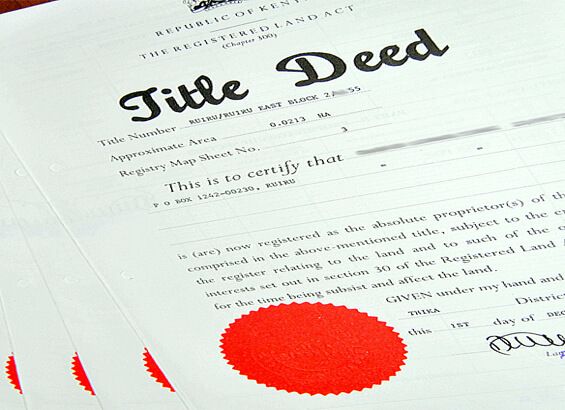
NCA itself lists approved architectural and structural drawings and county planning permits among the documentation required when a development is registered with the Authority. NCA Project Registration Requirements
If a developer becomes defensive when you ask to see approvals, treat that as a warning sign.
2. Check Whether the Project Is Registered With NCA

An important apartment building approval in Kenya check is National Construction Authority registration.
NCA states that all construction projects in both the public and private sectors are required to be registered with the Authority.
The responsibility sits with the developer or project owner.
NCA registration is important because the registration process checks several elements of the project team and documentation.
The Authority requires, among other things:
- Registered contractor
- Licensed subcontractors where applicable
- Registered consultants
- Approved architectural drawings
- Approved structural drawings
- County planning approvals
- Other regulatory approvals where applicable
- Quantity surveyor documentation
- Developer details
- Construction agreements
- Consultant supervision commitments
Check NCA Project Registration Requirements
This makes NCA registration one important part of buyer due diligence.
However, do not make another mistake:
NCA registration does not mean you can stop checking everything else.
It is one layer of compliance.
You should still verify the people designing and supervising the building.
3. Verify the Structural Engineer
This is one of the most important checks.
High-rise apartment buildings depend on structural engineering.
The structural engineer may be responsible for matters including:
- Structural calculations
- Columns
- Beams
- Foundations
- Slabs
- Load paths
- Reinforcement
- Structural drawings
The National Building Code requires design and supervision to be undertaken by appropriately registered professionals.
For engineering work, buyers can verify professional registration through the Engineers Board of Kenya.
EBK is the statutory regulator responsible for registration and licensing of engineers.
Engineers Board of Kenya Registration Information
Ask the developer:
- Who is the structural engineer?
- What is their EBK registration number?
- Are they currently licensed?
- Are they actually supervising this development?
Do not be satisfied simply because an engineer’s name appears on a brochure.
Verify independently.
4. Verify the Architect and Quantity Surveyor

The architect is another key professional.
Architects are involved in areas including:
- Building design
- Layout
- Planning compliance
- Circulation
- Building functionality
- Coordination of the design team
Quantity surveyors are also important in the professional structure of larger projects.
The Board of Registration of Architects and Quantity Surveyors, or BORAQS, regulates these professions in Kenya.
BORAQS specifically advises the public to confirm that architects and quantity surveyors are registered and in good standing.
Its official register allows searches by:
- Name
- Registration number
- Certificate number
Why should a buyer care?
Because professional accountability matters.
If the person supposedly responsible for designing a 20-storey building cannot legally practise architecture, that should immediately concern you.
5. Check Environmental Approval Where Required
Large developments can also require environmental approval.
The National Environment Management Authority states that a project requiring an Environmental Impact Assessment should not be implemented before the relevant EIA process has been completed and approved.
NEMA also states that licensing authorities should not issue certain development permits for projects requiring an EIA without the relevant environmental licence.
NEMA Environmental Impact Assessment Requirements
Environmental assessment may consider issues such as:
- Drainage
- Waste
- Traffic
- Water
- Neighbouring communities
- Environmental impact
For an apartment buyer, this matters particularly with large developments.
Do not assume environmental approval is merely paperwork unrelated to safety.
Poor drainage, inappropriate siting and inadequate infrastructure can create significant problems after occupation.
6. Check Whether What Is Being Built Matches What Was Approved
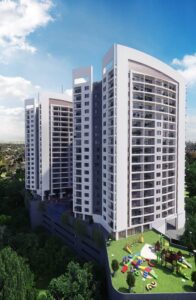
This is one of the most important lessons from recent building-safety scrutiny.
Having approved drawings is one thing.
Building according to those drawings is another.
Suppose approval was granted for one design.
Then during construction the developer changes:
- Number of floors
- Structural configuration
- Use
- Layout
- Columns
- Basement
- Commercial areas
Those changes may require further professional and regulatory review.
This is why buyers should be cautious where a developer says:
“We added a few more floors because demand was high.”
That is not a minor marketing decision.
Additional floors can change:
- Structural loads
- Foundation requirements
- Lift requirements
- Fire safety
- Parking
- Density
- Water demand
Following the October 2026 Eastleigh collapse, questions emerged publicly around planning changes and whether architectural designs had received the required approvals.
That investigation demonstrates why buyers should compare:
approved project
versus
actual project being constructed.
They should match.
7. Do Not Assume Construction Progress Proves Structural Safety
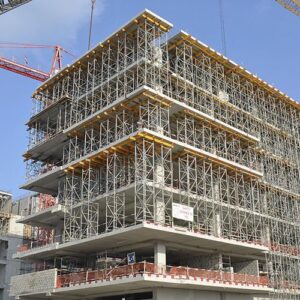
This is a dangerous assumption.
Some buyers think:
“The building has reached floor 15, so clearly everything is okay.”
That logic is flawed.
A structure being advanced in construction does not independently prove:
- Correct concrete strength
- Proper reinforcement
- Correct structural design
- Proper curing
- Adequate foundations
- Professional supervision
Those are technical matters.
If you have genuine concerns about the structural integrity of a development, commission an independent qualified professional.
Do not attempt to assess structural safety yourself based only on:
- Wall cracks
- Appearance
- Height
- Renderings
A building can look excellent while having hidden problems.
Likewise, not every visible crack indicates imminent structural failure.
Structural conclusions should come from competent professionals.
8. For Completed Buildings, Ask About the Certificate of Occupation
Completion of construction should not simply mean:
“The developer has handed over the keys.”
The National Building Code distinguishes between construction and lawful occupation.
A proper completion process should establish that required building conditions have been met before occupation.
This is particularly important for off-plan buyers.
Before moving in or accepting final completion, ask your advocate or technical adviser about the relevant:
- Completion documentation
- Occupation approvals
- Fire safety systems
- Lift certification
- Utility commissioning
A worrying situation occurs where people are occupying:
- Ground-floor shops
- Apartments
- Offices
while major structural construction is still happening above in circumstances not properly authorised or managed.
Do not treat early occupation as proof that the authorities have approved the building for occupation.
Verify.
9. Completed Buildings Still Need Inspection and Maintenance
Structural safety does not end when construction finishes.
The National Building Code 2024 provides for periodic inspection of completed buildings.
Under the Code, an inspection should be conducted within every five years after completion.
The Code provides for several types of inspections, including:
- Visual inspection
- Full structural or civil inspection
- Building-condition survey
- Electrical and mechanical inspection
- Specialised investigation
This matters enormously for older apartment developments.
National Building Code 2024 – NCA
A building that was properly constructed 15 years ago can still deteriorate.
Potential issues can arise from:
- Water penetration
- Poor maintenance
- Corrosion
- Unauthorised structural alterations
- Fire-system deterioration
- Drainage problems
So if you are purchasing an older apartment, ask:
When was this building last professionally inspected?
Apartment Building Approval in Kenya: Documents Buyers Should Request
For an off-plan or recently completed apartment, ask your lawyer and technical adviser which documents are relevant to the specific project.
The due-diligence file may include:
Approved Architectural Plans
Confirm the physical design that was authorised.
Approved Structural Drawings
These are especially important for high-rise construction.
County Development Approval
Confirm that the county has authorised the development.
NCA Project Registration
Establish whether the construction project is registered.
NEMA Approval Where Applicable
Confirm relevant environmental compliance.
Professional Details
Get names and registration numbers for:
- Architect
- Structural engineer
- Quantity surveyor
- Contractor
Completion/Occupation Documentation
Especially for completed property.
Do not rely on screenshots supplied through WhatsApp alone.
Your advocate or professional adviser should verify important documents independently.
Can You Search the NCA Registration Yourself?
NCA operates a project-registration system through which construction projects are registered.
NCA Projects Registration Portal
If a developer claims:
“Our project is fully NCA approved,”
ask for:
- Project registration details
- Compliance certificate or relevant project information
You can then independently confirm with the Authority if necessary.
The NCA also provides channels for reporting potentially non-compliant or faulty projects.
That is particularly useful if you encounter a project where construction appears unsafe.
Who Should Be Supervising Construction?
A good project is not designed once and then left entirely to labourers and contractors.
Professional supervision is essential.
NCA requires supervision commitment letters from project consultants as part of project-registration requirements.
Relevant professionals may include:
- Architect
- Structural engineer
- Quantity surveyor
The National Building Code also requires design and supervision by professionals registered under the relevant laws.
Why?
Because construction often requires technical decisions on site.
For example:
- Reinforcement placement
- Concrete work
- Structural changes
- Foundation conditions
- Material substitution
Without competent supervision, even a good design can be executed badly.
What Are the Red Flags Buyers Should Watch for?
Several warning signs should make you investigate further.
“The approvals are still being processed.”
If construction is already advanced, ask why.
“Our engineer is international.”
That does not answer whether the professional is properly authorised to practise on the Kenyan project.
“Everyone knows this developer.”
Reputation does not replace approvals.
“The building is already 80% sold.”
Sales volume does not prove structural compliance.
“Other buyers didn’t ask for these documents.”
That is irrelevant.
Your money and safety are at stake.
“You can check everything after paying the booking fee.”
Important due diligence should happen before substantial, non-refundable commitment.
Does NCA Registration Guarantee a Building Will Never Collapse?
No.
This distinction is critical.
NCA registration confirms that a project has gone through a regulatory registration process and submitted specified documentation.
It does not mean no construction problem can ever occur.
Structural safety also depends on:
- Design
- Materials
- Workmanship
- Supervision
- Construction practices
- Maintenance
- Compliance with approved plans
That is why there are multiple layers of oversight.
No single certificate should be treated as an absolute guarantee.
What Should Off-Plan Buyers Do Differently?
Off-plan buyers face a unique challenge.
They are buying before the final building exists.
That means they cannot physically inspect the completed apartment.
Their due diligence should therefore be stronger.
Before significant payment, investigate:
- Land ownership
- Developer
- County approval
- NCA registration
- Architect
- Structural engineer
- Contractor
- NEMA approval where required
- Sale agreement
- Construction progress
Then continue monitoring during construction.
Do not treat due diligence as something that happens once when you sign the sale agreement.
What About Structural Cracks?
Not every crack means the building is unsafe.
Cracks can arise from different causes, including:
- Shrinkage
- Plaster movement
- Settlement
- Structural movement
A buyer should not attempt to diagnose them from photographs.
If you notice significant or unusual cracking:
- Document it
- Notify management
- Engage a structural engineer
- Request a professional assessment
Especially concerning signs can include sudden changes accompanied by:
- Significant deformation
- Unusual structural movement
- Failure around columns or beams
If there appears to be an immediate danger, occupants should prioritise personal safety and notify the relevant authorities.
Does an Expensive Apartment Mean It Is Structurally Safer?
No.
This misconception is dangerous.
A KSh 50 million apartment is not automatically structurally safer than a KSh 10 million apartment.
Price may reflect:
- Location
- Finishes
- Amenities
- Land value
- Brand
Structural safety depends on:
- Engineering
- Construction
- Materials
- Supervision
- Compliance
- Maintenance
Marble floors do not tell you how the foundation was constructed.
An infinity pool does not prove that reinforcement was correctly installed.
Luxury and structural integrity are different questions.
Apartment Building Approval in Kenya: A Practical Buyer Checklist
Before buying, ask these questions:
- Is the project registered with NCA?
- Are architectural plans approved?
- Are structural drawings approved?
- Does the project have county development permission?
- Who is the registered architect?
- Who is the structural engineer?
- Is the contractor NCA registered and appropriately licensed?
- Is NEMA approval required, and is it available?
- Does what is being constructed match the approved plans?
- What completion or occupation documentation will be issued?
- Who has supervised construction?
- For an older building, when was it last professionally inspected?
If the seller cannot answer those questions, slow down.
A property purchase worth millions of shillings deserves more due diligence than simply visiting the show house.
What the Eastleigh Collapse Should Teach Property Buyers
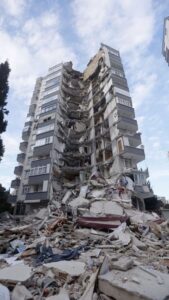
The Eastleigh collapse should not be used to create fear around apartment living.
Modern high-rise buildings can be safe when they are:
- Properly designed
- Properly approved
- Properly constructed
- Professionally supervised
- Properly maintained
The lesson is about enforcement and verification.
NCA confirms that construction-project registration requires approved architectural and structural drawings, county approvals, properly registered consultants and licensed contractors.
The framework exists.
Buyers should learn how to ask whether it has been followed.
Final Thoughts: How to Check Apartment Building Approval in Kenya
Apartment building approval in Kenya involves much more than seeing an NCA signboard outside a construction site.
A serious buyer should understand the entire compliance chain:
Land use → County approval → Architectural design → Structural design → NCA registration → Professional supervision → Construction → Completion → Occupation → Maintenance
Each stage matters.
The National Building Code 2024, which has been in force since 1 March 2025, strengthened Kenya’s modern framework for:
- Planning
- Design
- Approval
- Construction
- Safety
- Inspection
- Maintenance
But regulations protect buyers best when buyers also conduct proper due diligence.
Before buying an apartment, especially off-plan, do not ask only:
“When will construction finish?”
Ask:
- Who approved the project?
- Who designed the structure?
- Who is supervising it?
- Is the project registered with NCA?
- Are the professionals licensed?
- Does the actual construction match the approved design?
- What documentation will prove lawful completion?
- How will the building be inspected and maintained after handover?
Your home may be one of the largest financial commitments you ever make.
The documentation behind the building deserves as much attention as the kitchen, swimming pool and view.
Considering an Off-Plan or Newly Completed Apartment in Nairobi?
Contact Realty Boris to explore carefully selected developments across Westlands, Kilimani, Kileleshwa, Riverside, Lavington and Nairobi’s other premium locations—and independently verify county approvals, NCA project registration, professional consultants, developer documentation, structural due diligence and legal ownership before committing to a property or making substantial payments.