
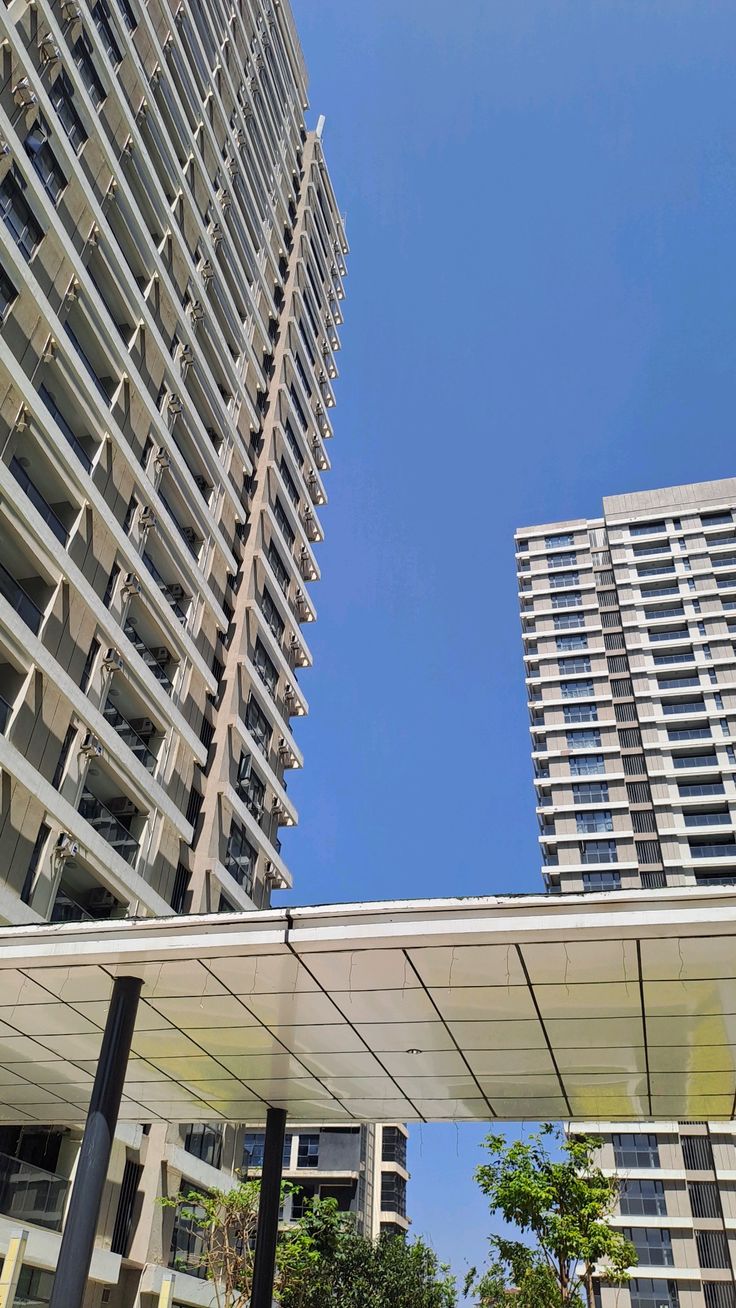

Property Development Location Kenya 2026 is one of the most important decisions every developer must get right before buying land, entering a joint venture, preparing drawings or launching an off-plan project. In real estate development, the location can determine demand, pricing, approval risk, construction feasibility, absorption rate, rental yield, resale value and long-term project success.
A developer may have capital, a strong design team and a beautiful concept, but if the location is wrong, the project can struggle. A site may look attractive because it is in a popular area, but if road access is poor, zoning is unclear, utilities are weak, parking is limited, title documents are problematic or the buyer profile does not match the product, the development may face serious challenges.
At Realty Boris, we advise developers to approach location selection as both a market decision and a legal due diligence process. The best development sites are not chosen by instinct alone. They are chosen through data, physical inspection, buyer profiling, regulatory checks, title verification, planning review and financial feasibility.
This guide explains what developers need to know when choosing a location to develop in Kenya in 2026, with a special focus on Nairobi’s high-demand residential and commercial markets.
Property Development Location Kenya 2026: Why Location Comes Before Design
Property Development Location Kenya 2026 starts with one simple principle: location should guide the project, not the other way around.
A common mistake developers make is designing a project before fully understanding the market. They may decide to build luxury apartments, townhouses, villas, serviced apartments or commercial spaces before confirming whether the location can support that product.
A strong development location should answer these questions:
- Who is the target buyer?
- Who is the target tenant?
- What property type is in demand?
- What price can the area support?
- What rent can the market support?
- What is the absorption rate?
- Is the location accessible?
- Are utilities reliable?
- Is zoning supportive?
- Are approvals realistic?
- Is the title clean?
- Is the land size adequate?
- Is parking possible?
- Are neighbouring developments helping or hurting value?
At Realty Boris, we advise developers to avoid forcing a concept onto the wrong site. A site in Kilimani may support a different product from a site in Karen. A project in Westlands may need different parking, amenities and pricing from a project in Kileleshwa or Lavington.
The best development begins with the right location strategy.
1. Understand the Target Buyer Before Choosing the Location

The first step in Property Development Location Kenya 2026 is understanding who the project is being built for.
A developer should not only ask, “Where can I buy land?” The better question is, “Who will buy or rent what I build here?”
Different locations attract different buyer profiles.
For example:
- Kilimani may attract young professionals, investors, furnished rental operators and first-time apartment buyers.
- Westlands may attract corporate buyers, expatriates, furnished rental investors and executive tenants.
- Kileleshwa may attract families, professionals and buyers seeking calmer central apartment living.
- Riverside may attract executive buyers, consultants, expatriates and premium tenants.
- Lavington may attract families, long-term buyers and investors seeking larger residential units.
- Karen may attract high-net-worth families, expatriates, villa buyers and long-term land-backed investors.
- Runda, Muthaiga and Gigiri may attract diplomatic, executive and luxury family buyers.
At Realty Boris, we advise developers to build for a clearly defined market. A project targeting young professionals should not be planned the same way as a project targeting families. A development targeting diaspora investors should have different communication, payment, documentation and handover structures from one targeting local homeowners.
The location must match the buyer.
2. Study Demand Before Buying Land

A good development location must have real demand.
Demand is not the same as popularity. A neighbourhood can be famous but still have too much supply in a certain property category. A road can be quiet but still have strong family demand. A commercial node can look busy but lack parking, tenant quality or purchasing power.
Developers should study:
- Current property supply
- Upcoming competing projects
- Buyer enquiries
- Tenant demand
- Rental rates
- Sale prices
- Absorption speed
- Vacancy levels
- Unit sizes that move fastest
- Preferred bedroom types
- Preferred amenities
- Price sensitivity
- Payment plan expectations
- Resale behaviour
At Realty Boris, we advise developers to speak to active brokers before committing to a site. Brokers understand what buyers are asking for, what tenants are rejecting, what layouts are moving, what price points are converting and which locations are becoming oversupplied.
A location with high demand for 2 bedroom apartments may not automatically support 4 bedroom luxury duplexes. A location with strong family demand may not be the best place for very compact studios.
Property Development Location Kenya 2026 should be driven by evidence, not assumption.
3. Check Road Access, Visibility and Movement

Access is a major factor in development success.
A project may be in a strong neighbourhood, but if the access road is narrow, congested, poorly maintained or difficult to find, the project may lose value in the eyes of buyers and tenants.
Developers should check:
- Main road access
- Feeder road quality
- Entry and exit points
- Traffic during peak hours
- Distance to malls, schools, hospitals and offices
- Public transport access
- Ride-hailing convenience
- Pedestrian safety
- Delivery access
- Emergency access
At Realty Boris, we advise developers to test the site at different times of day. A location that looks calm on Sunday may be highly congested on Monday morning. A road that looks manageable before construction may become problematic once the development is occupied.
For commercial developments, visibility matters more. For residential developments, privacy, safety and access matter more. For family homes, school routes and daily convenience matter strongly.
A good development site must support movement.
4. Confirm Zoning, Land Use and Development Potential
Before buying or developing land, developers must confirm whether the intended use is allowed.
A site may be attractive, but the existing land use may not support the proposed project. For example, a developer may want to build apartments, but the land may require change of user, extension of user, densification approval or additional planning review.
Developers should check:
- Current land use
- Zoning position
- Permitted density
- Ground coverage
- Plot ratio where applicable
- Building height controls
- Parking requirements
- Road reserve issues
- Setbacks
- Building line
- Neighbourhood planning controls
- Change of user requirements
- Densification requirements
- County planning conditions
For Nairobi developments, developers can use NairobiPlan to access county physical planning services. Developers can also review the Nairobi City County Built Environment and Urban Planning Sector for broader planning context.
For legal planning context, the Physical and Land Use Planning Act and the Physical and Land Use Planning Regulations provide useful guidance on development permission, land use, change of user and planning applications.
At Realty Boris, we advise developers to involve a registered physical planner early. A land deal can look attractive until the developer discovers the proposed use is difficult, delayed or not commercially viable.
Planning feasibility should come before purchase commitment.
5. Verify the Title Before Committing

Title verification is one of the most important legal checks in Property Development Location Kenya 2026.
Developers should not rely only on a copy of the title. The title must be verified through an official search and reviewed by an advocate.
Before proceeding, check:
- Registered owner
- Title number
- Land size
- Tenure
- Encumbrances
- Charges
- Cautions
- Restrictions
- Caveats where applicable
- Land rent status where applicable
- Land rates status
- Boundary position
- Easements or wayleaves
- Court disputes where known
- Whether the seller has capacity to sell
The State Department for Lands search certificate page explains that an official search helps verify ownership status and identify encumbrances such as charges, cautions or restrictions. Developers may also use Ardhisasa for land information services where applicable.
At Realty Boris, we advise developers to treat unclear title history as a major risk. Development is capital-intensive. If the land has ownership disputes, unresolved charges, boundary conflicts or restrictions, the project can stall before construction begins.
A strong development starts with clean land documentation.
6. Confirm Land Size, Boundaries and Survey Position

The land size on paper must match the land on the ground.
Before buying, developers should conduct survey and boundary checks. This is especially important where the project’s feasibility depends on exact acreage, setbacks, parking, access, drainage and building footprint.
Developers should check:
- Survey map
- Beacon positions
- Boundary walls
- Encroachments
- Road reserve
- Access way
- Neighbouring plots
- Easements
- Wayleaves
- Riparian zones where applicable
- Shape of land
- Slope
- Soil conditions
- Drainage direction
- Existing structures
At Realty Boris, we advise developers to involve a licensed surveyor before final commitment. A site may appear large enough visually, but after setbacks, road reserves, easements and planning controls, the developable area may reduce significantly.
A poor site shape can also affect design efficiency. A rectangular plot may support a cleaner apartment design than an irregular plot with difficult access.
Land shape, size and boundaries affect profit.
7. Check Infrastructure and Utility Readiness

A development location must support actual construction and future occupation.
Before buying land, developers should assess:
- Water availability
- Sewer connection
- Electricity access
- Stormwater drainage
- Road condition
- Internet infrastructure
- Waste collection access
- Fire access
- Borehole potential where appropriate
- Power backup needs
- Nearby transformer capacity
- Soil drainage
- Flooding risk
- Security lighting
- Construction access for trucks
At Realty Boris, we advise developers to avoid assuming utilities will be easy simply because the land is in Nairobi. Some sites face water pressure issues, drainage challenges, road access limitations or sewer connection constraints.
Utility weaknesses can affect:
- Construction cost
- Design feasibility
- Approval conditions
- Service charge
- Buyer satisfaction
- Tenant demand
- Maintenance obligations
- Handover quality
A good development location must be practical to build and practical to live in.
8. Evaluate Parking Feasibility Early

Parking can make or break a development.
Many buyers in Nairobi ask about parking before committing. Families, professionals, commercial tenants and investors all care about parking because it affects daily convenience and resale value.
Developers should check:
- Required parking ratios
- Basement feasibility
- Ramp design
- Number of bays possible
- Visitor parking
- Delivery access
- Drop-off zone
- Disabled access where applicable
- Fire access
- Turning radius
- Road width
- Traffic flow
- Parking cost in construction budget
At Realty Boris, we advise developers to solve parking at concept stage, not after design has advanced. A project with insufficient parking can struggle in the market, especially where target buyers own cars or where the product is family-oriented.
For commercial projects, parking is even more critical. A retail or office development without proper parking can lose tenants and customers.
A strong site should allow practical parking without destroying project economics.
9. Understand Legal Documents Needed Before Development

Property Development Location Kenya 2026 must include a clear legal document checklist.
Before buying or developing land, developers should request and review:
- Copy of title deed or certificate of lease
- Official search certificate
- Seller identification documents
- Company documents where seller is a company
- Board resolution where applicable
- Power of attorney where applicable
- Land rates clearance certificate
- Land rent clearance where applicable
- Survey map or mutation where applicable
- Beacon certificate where available
- Sale agreement
- Transfer documents
- Land Control Board consent where applicable
- Spousal consent where applicable
- Stamp duty assessment and payment documents
- Approved change of user where applicable
- Approved building plans
- Development permission
- NCA project registration where applicable
- NEMA approval or EIA licence where applicable
- Professional consultant contracts
- Contractor documents
- Project insurance documents where applicable
- Sectional property documents where apartments will be sold as units
The State Department for Lands land transfers page lists key transfer requirements such as executed transfer, consent where applicable, valuation report, rent clearance, stamp duty receipt, original title, identification documents, PIN certificate and passport photos. For stamp duty valuation guidance, developers may also review the State Department for Lands valuation for stamp duty page.
At Realty Boris, we advise developers not to treat documents as an afterthought. Missing documents can delay acquisition, approvals, financing, sales and handover.
Legal readiness is part of development feasibility.
10. Confirm Development Approvals and Compliance Path

After selecting the location and confirming ownership, developers must understand the approval path.
Depending on the project, approvals and compliance may include:
- Development permission
- Building permit
- Structural approvals
- Construction site board
- Extension of user where applicable
- Densification approval where applicable
- NCA project registration
- NEMA EIA licence where applicable
- Fire safety approvals
- Occupational safety requirements
The National Construction Authority provides guidance on project registration, while the NCA project portal supports construction project registration. The National Environment Management Authority explains that EIA is a critical examination of project effects on the environment and may be required before certain development permits or licences are issued.
At Realty Boris, we advise developers to map approvals before launching sales. Selling units before fully understanding approvals can create reputational, legal and financial risk.
A strong development should have a clear compliance path from land acquisition to occupation.
Property Development Location Kenya 2026 for Apartment Developers
Property Development Location Kenya 2026 is especially important for apartment developers because apartment success depends on matching location, unit mix and price.
Before developing apartments, consider:
- Which unit type sells fastest in the area
- Whether studios, 1 bedrooms, 2 bedrooms or 3 bedrooms are most suitable
- Whether the area is owner-occupier or investor-led
- Whether furnished rental demand is strong
- Whether family tenants want larger units
- Whether parking supply supports the target buyer
- Whether amenities are useful or excessive
- Whether the price per square metre is realistic
- Whether service charge will remain acceptable
- Whether similar projects nearby are moving
At Realty Boris, we advise apartment developers to avoid copying what every other developer is doing. If an area already has many compact 1 bedroom units, adding another similar project may increase competition. If family-sized units are under-supplied, larger 2 bedroom or 3 bedroom apartments may perform better.
The market should shape the product.
Property Development Location Kenya 2026 for Townhouse and Villa Developers

Townhouse and villa developers must think differently from apartment developers.
Buyers of townhouses and villas care about:
- Land feel
- Privacy
- Compound layout
- Security
- Parking
- Bedroom size
- Family room
- DSQ
- School proximity
- Estate management
- Water supply
- Long-term maintenance
- Neighbourhood character
Karen, Runda, Lavington, Muthaiga, Spring Valley, Kyuna, Kitusuru and selected Loresho pockets may appeal to townhouse and villa buyers depending on budget and product design.
At Realty Boris, we advise villa developers not to overbuild in locations where buyers value space. A villa project that feels squeezed may struggle even if the finishes are attractive.
For villas and townhouses, privacy and planning are part of luxury.
The site must support the lifestyle being sold.
Property Development Location Kenya 2026 for Commercial Developers

Commercial developers must be even more sensitive to access, parking and visibility.
Before developing commercial property, check:
- Road frontage
- Traffic flow
- Parking capacity
- Pedestrian access
- Business visibility
- Delivery access
- Loading area
- Tenant demand
- Competing commercial spaces
- Zoning
- Change of user requirements
At Realty Boris, we advise commercial developers to remember that businesses rent convenience, not just square footage.
A commercial property without parking can struggle. A retail space without visibility can underperform. An office building without access can lose tenants to better-positioned buildings.
The location must match the tenant’s business model.
Financial Feasibility Before Buying a Development Site
A site may be legally clean and well located but still fail financially.
Before buying, developers should prepare a feasibility model that includes:
- Land acquisition cost
- Stamp duty
- Legal fees
- Professional fees
- Approval costs
- Construction cost
- Finance cost
- Marketing cost
- Sales commission
At Realty Boris, we advise developers to stress-test the project. What happens if construction costs rise? What happens if sales are slower? What happens if prices must be discounted? What happens if approvals delay?
A good development site should still make sense under realistic assumptions.
Strong developers do not only look at gross profit. They look at risk-adjusted return.
Red Flags Developers Should Avoid

Developers should be cautious when they see:
- Seller refuses official title search
- Land size is unclear
- Boundaries are disputed
- Access road is uncertain
- Zoning does not support the intended use
- Change of user looks difficult
- Neighbours are already objecting
- Road reserve risk exists
- Wayleaves or easements affect the land
- Utilities are weak
- Seller applies pressure before document review
At Realty Boris, our advice is simple: do not buy land first and ask hard questions later.
A developer’s profit is protected at acquisition stage.
Common Mistakes Developers Should Avoid
When applying Property Development Location Kenya 2026 principles, developers should avoid:
- Choosing location based only on prestige
- Ignoring buyer demand
- Copying competitors blindly
- Buying before zoning review
- Not checking title properly
- Ignoring survey and boundary checks
- Underestimating infrastructure costs
- Designing before feasibility
- Not planning parking early
- Ignoring service charge implications
- Overpricing units
At Realty Boris, we advise developers to treat land acquisition as the most strategic stage of development.
A weak site can destroy a strong concept. A strong site can make a well-designed project easier to sell.
Realty Boris Expert View on Property Development Location Kenya 2026
Our view is that Property Development Location Kenya 2026 should be approached through three lenses: market demand, legal safety and development feasibility.
For market demand, developers should study buyer profile, tenant profile, unit mix, pricing, absorption and competing supply.
For legal safety, developers should check title documents, official search, rates and rent clearance, seller authority, transfer documents, land use and approval requirements.
For development feasibility, developers should check zoning, infrastructure, access, parking, buildable area, approval path, construction cost and financial return.
For apartment developers, the right location must support the right unit mix.
For townhouse and villa developers, the location must support privacy, space, security and family living.
For commercial developers, the location must support visibility, access, parking and tenant demand.
At Realty Boris, we help developers, landowners and investors assess development opportunities based on market reality, documentation, location strength and buyer demand.
A successful development starts before the first drawing. It starts with choosing the right site.
Final Thoughts
Property Development Location Kenya 2026 is a serious decision that combines market research, legal due diligence, planning review and financial feasibility.
Developers must understand who they are building for, what the location can support, what documents are required, what approvals are needed and whether the project can deliver a realistic return.
Before buying land or entering a joint venture, check the title, official search, land use, zoning, boundaries, road access, utilities, planning controls, approvals, NCA registration, NEMA requirements and financial feasibility.
At Realty Boris, we advise developers to avoid emotional land buying. A site should not only look attractive. It should be legally clean, marketable, buildable, accessible and financially viable.
The best developments in 2026 will come from developers who choose locations carefully, document properly and build what the market actually wants.
Call to Action
Are you a developer looking for the right location for your next Nairobi project?
Contact Realty Boris for development site advisory, buyer-demand insights, landowner introductions, market positioning and project sales strategy.