
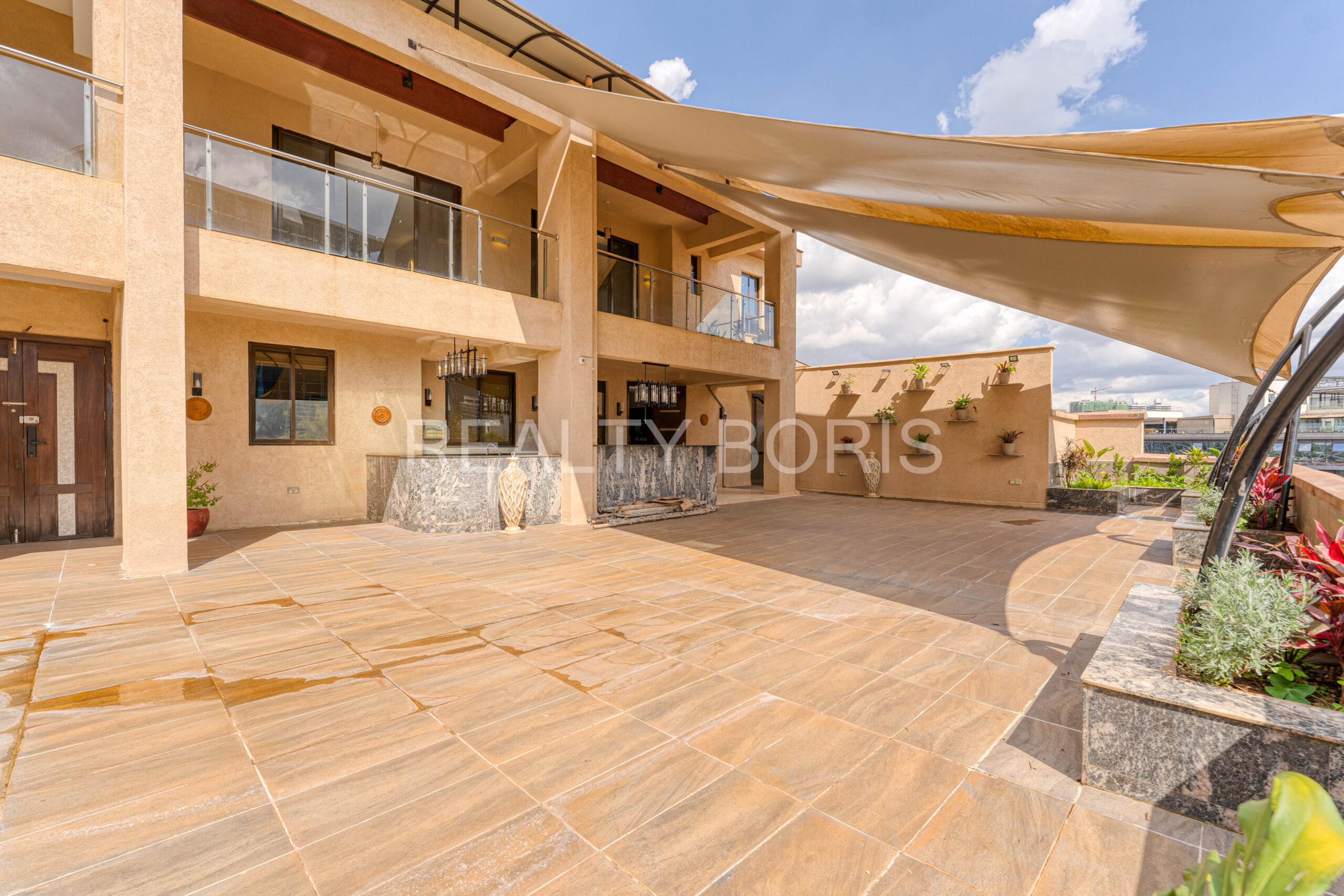

One of the most important decisions property buyers and investors face in Nairobi’s real estate market is choosing between new vs old developments. While new projects attract attention with modern designs and premium amenities, older developments continue to offer advantages such as larger spaces, mature neighborhoods, and strategic locations.
Both property types can perform strongly depending on:
- Investment goals
- Budget and financing strategy
- Lifestyle preferences
- Rental demand
- Long-term appreciation potential
At Realty Boris, we consistently guide clients through this decision by evaluating how each option performs in terms of:
- ROI and rental demand
- Maintenance and operational costs
- Location strength
- Long-term market value
Below are 7 key differences between new vs old developments in Nairobi.
Purchase Price and Market Entry
New Developments
New projects often:
- Command premium pricing
- Include marketing and branding premiums
- Reflect modern construction costs
Old Developments
Older developments usually:
- Offer lower price per square meter
- Provide stronger negotiation opportunities
- Allow buyers to enter premium locations at lower cost
👉 Key Insight:
Older developments can offer stronger value for money in prime areas.
Design and Modern Amenities
New Developments
Modern projects typically include:
- Smart home features
- Infinity pools and gyms
- Rooftop lounges
- Modern security systems
Developments near Sarit Centre often emphasize luxury lifestyle experiences.
Old Developments
Older properties generally focus on:
- Traditional layouts
- Practical room sizes
- Simpler shared facilities
👉 Key Insight:
New developments prioritize lifestyle and modern living convenience.
Space and Layout Efficiency
New Developments
New apartments are often:
- More compact
- Designed for space efficiency
- Focused on urban density optimization
Old Developments
Older apartments usually provide:
- Larger bedrooms and living rooms
- Bigger balconies
- More spacious layouts overall
👉 Key Insight:
Older developments often provide more generous living spaces.
Maintenance and Service Costs
New Developments
New projects generally:
- Require less immediate maintenance
- Have modern infrastructure systems
- Offer lower short-term repair costs
Old Developments
Older buildings may require:
- Plumbing or electrical upgrades
- Structural maintenance
- Renovation and modernization work
👉 Key Insight:
New developments typically have lower short-term maintenance demands.
Appreciation and Investment Potential
New Developments
New projects often appreciate through:
- Off-plan price growth
- Lifestyle demand
- Market excitement and branding
Old Developments
Older developments appreciate through:
- Prime land value
- Redevelopment potential
- Strategic established locations
Areas such as Westlands and Kilimani continue to see strong redevelopment activity because of land scarcity.
👉 Key Insight:
Old developments benefit heavily from location and land appreciation.
Rental Demand and Tenant Appeal

New Developments
Modern units attract:
- Young professionals
- Expatriates
- Airbnb and short-term renters
Old Developments
Older developments attract:
- Families
- Long-term residents
- Tenants prioritizing space and affordability
👉 Key Insight:
New developments attract lifestyle-driven tenants, while older units attract stability-focused tenants.
Neighborhood Infrastructure and Environment
New Developments
Many modern projects are located in:
- Rapidly growing urban zones
- Emerging high-density corridors
- Areas under active development
Old Developments
Older properties are often found in:
- Established neighborhoods
- Mature residential communities
- Areas with developed infrastructure and greenery
👉 Key Insight:
Older developments often benefit from stronger neighborhood maturity.
Best Areas for New Developments in Nairobi

Top-performing zones for new developments include:
Kilimani
High-density urban growth and strong rental demand.
Westlands
Luxury urban developments and business accessibility.
Riverside
Modern premium apartment projects.
Upper Hill
Corporate and serviced apartment demand.
Ngong Road corridor
Growing urban investment opportunities.
Best Areas for Older Developments in Nairobi
Strong older development zones include:
Kileleshwa
Larger apartment layouts and mature residential appeal.
Lavington
Quiet family-oriented neighborhoods.
Parklands
Established infrastructure and accessibility.
Old Westlands sections
Strong redevelopment potential.
Which Option Is Better for You?
Choose New Developments If You Want:
- Modern amenities and finishes
- Lower short-term maintenance
- Off-plan appreciation opportunities
- Lifestyle-driven living environments
Choose Old Developments If You Want:
- Larger spaces and layouts
- Better value per square meter
- Prime mature locations
- Long-term land appreciation potential
Common Mistakes Buyers Should Avoid
When comparing new vs old developments, avoid:
- Choosing based only on appearance
- Ignoring maintenance obligations
- Overlooking location quality
- Failing to assess long-term appreciation drivers
At Realty Boris, we guide clients toward developments that maximize value, location strength, and long-term investment performance.
Final Thoughts
Choosing between new vs old developments in Nairobi ultimately depends on your investment objectives, lifestyle priorities, and long-term property strategy.
New developments continue to dominate Nairobi’s urban growth because they offer modern amenities, contemporary designs, and strong appeal among younger buyers and expatriates. Their ability to attract lifestyle-driven demand makes them highly competitive in the rental and resale market.
Older developments, however, continue to offer unique advantages that many investors overlook. Larger spaces, established infrastructure, mature neighborhoods, and stronger land value fundamentals make older properties highly attractive for buyers seeking long-term value and practical living environments.
Both options offer strong opportunities:
- New developments for modern living and market-driven appreciation
- Old developments for space, location maturity, and redevelopment value
The most successful investors understand that the right choice depends on:
- The strength of the location
- Long-term demand patterns
- The balance between price and value
- Future appreciation potential
Areas such as Kilimani and Riverside continue to lead Nairobi’s modern development market, while Kileleshwa and Lavington remain highly desirable because of their mature residential character and spacious layouts.
As Nairobi continues to evolve, both new and old developments will remain valuable parts of the property market — but buyers who understand the strengths of each will make smarter and more profitable investment decisions.
At Realty Boris, we consistently emphasize that successful real estate investment is not about buying what is newest or oldest — it is about identifying the properties with the strongest combination of location, functionality, demand, and long-term growth potential.
For investors and homeowners navigating Nairobi’s competitive real estate market, understanding the differences between new and old developments is essential for making a confident and strategic property decision.
Call to Action
Still deciding between new and old developments in Nairobi? Our team is ready to guide you through the best options based on your goals, budget, and long-term investment strategy.
Reach out to Realty Boris and make a smart real estate decision today.