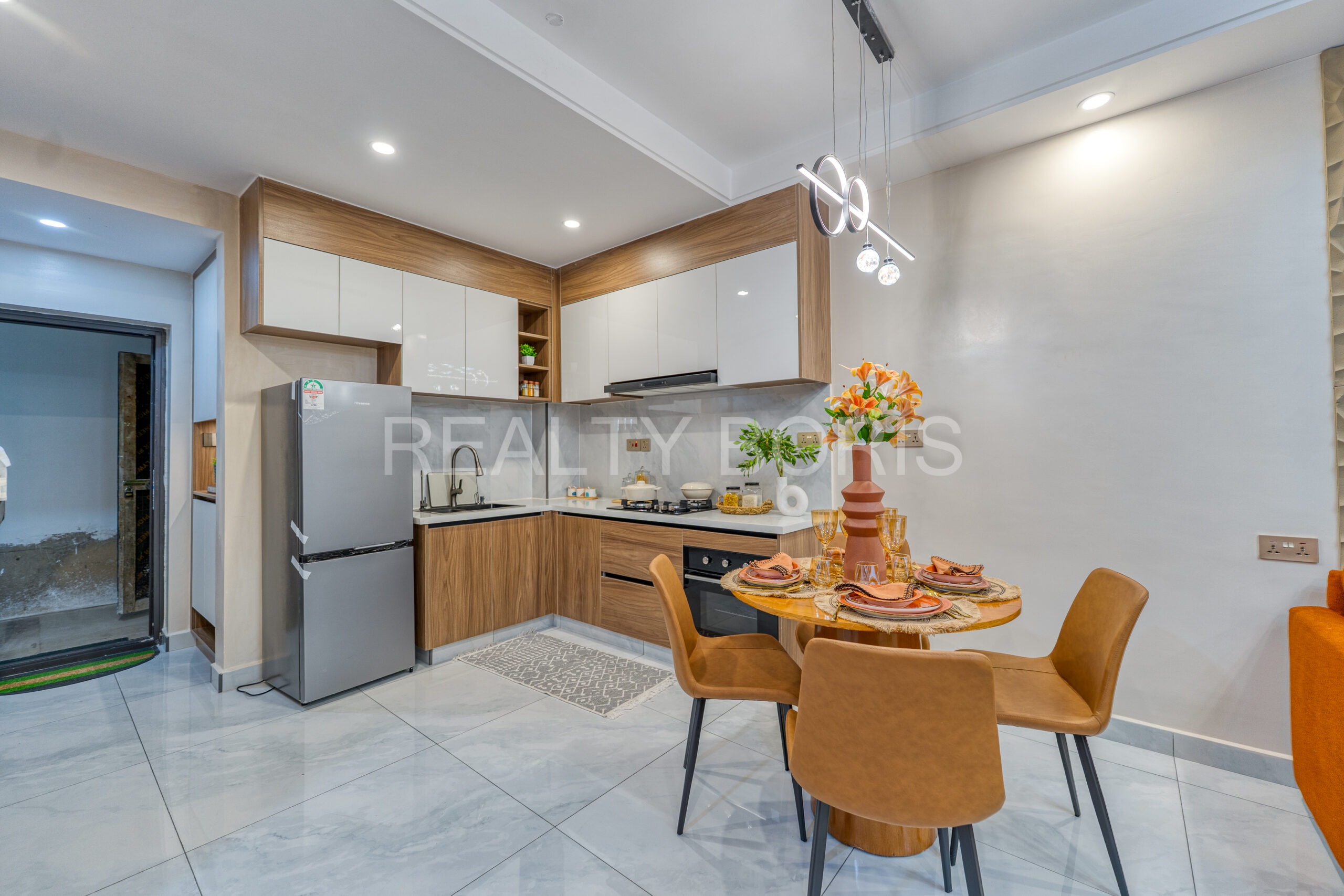


The guide to Nairobi’s residential rental market remains a cornerstone for upmarket investors in 2026, with Kenya’s economy projecting ~5% GDP growth, urbanization driving demand, and infrastructure (expressways, tech hubs) boosting accessibility. For Nairobi’s elite—high-net-worth professionals, family offices, and entrepreneurs—investing in rental properties Nairobi delivers reliable passive income (gross yields often 6-9% in prime nodes), capital appreciation (5-10%+ annually in high-demand zones), and inflation hedging amid stable tenant demand from expats, corporates, and young professionals.
Residential rentals outperform many assets for cash flow, especially in upmarket segments where furnished/serviced apartments command premiums (20-40% higher rents via short-term lets like Airbnb). However, success requires strategy: focus on tenant quality, due diligence, and tax efficiency amid moderate high-end softening from oversupply. This in-depth guide outlines actionable steps, prime locations, financials, and insights for savvy upmarket investors.
1. Define Your Investment Goals and Risk Profile
Clarify objectives: long-term passive income from corporate/expats, short-term furnished yields, or buy-to-hold for appreciation. Upmarket investors target KES 20M+ properties (e.g., 2-4 bed apartments/townhouses) for prestige and stability. Consider ESG features for premium tenants and future value.
2. Research the 2026 Nairobi Rental Market Landscape
Demand outpaces supply in mid-to-high segments, with occupancy ~80%+ in primes. Key trends (Cytonn/HassConsult 2025 updates):
- Prime yields: Apartments in Westlands/Kilimani ~7-9%, townhouses ~5-7%.
- Appreciation: Satellite growth (e.g., Ruiru/Syokimau) strong, but upmarket primes resilient.
- Tenant drivers: Multinationals in Westlands, expats in Kileleshwa/Riverside.
- Risks: High-end softening; focus on amenity-rich, sustainable units.
3. Identify Prime Upmarket Locations for High-Yield Rentals
Target elite nodes for superior returns and low vacancy:
- Westlands— Dynamic hub (7-9% yields); high demand from professionals/expats for furnished high-rises.
- Kilimani/Kileleshwa— Expat/corporate favorites; 7-8.5% yields, strong appreciation.
- Runda/Muthaiga/Karen— Luxury villas/townhouses (5-7% yields); privacy, prestige for families/diplomats.
- Lavington/Riverside— Executive apartments; concierge/gym appeal for short-term.
- Emerging fringes(e.g., near expressways) — Growth potential, but prioritize primes for stability.
Opt for gated, amenity-rich developments (pools, security, smart tech) to attract premium tenants.
4. Calculate Potential Returns and Rental Yields
Use gross yield formula: (Annual rent ÷ Purchase price) × 100. Examples:
- 2-bed in Westlands: KES 150K-250K/month rent → 7-9% gross.
- Furnished short-term: 20-40% uplift. Net yield: Deduct expenses (management ~10%, maintenance, taxes). Target 6%+ net for strong ROI; compare to bonds/MMFs (~10-13%).
5. Secure Financing and Budget for All Costs

Upmarket buyers often use equity or bank mortgages (rates ~12-16%). Options: NCBA/Stanbic for competitive terms. Budget:
- Purchase + 4% stamp duty (urban).
- Legal fees 1-2%.
- Valuation/registration.
- Contingency 10-15%.
Off-plan purchases offer discounts (10-25%) with phased payments.
6. Conduct Thorough Due Diligence
Engage professionals: Advisor (Realty Boris), lawyer, valuer.
- Ardhisasa title search: Clean, no encumbrances.
- Zoning/approvals verification.
- Comparable rents/sales analysis.
- Physical inspection for quality.
For upmarket: Prioritize developer reputation, ESG compliance.
7. Navigate the Purchase Process Step-by-Step
- Identify property (off-market via networks).
- Offer/booking fee.
- Sale agreement (Law Society templates).
- Due diligence/consents.
- KRA valuation → Stamp duty payment (4%).
- Balance/completion.
- Registration → Title transfer.
Foreign-linked: Use Kenyan entities/99-year leases.
8. Optimize Tax Efficiency and Compliance
Rental income tax:
- Residential: Simplified 7.5% on gross (if ≤ KES 15M/year; KRA MRI).
- Deductibles (if opting out): Interest, maintenance.
- Capital gains on sale: 15% (with exemptions).
- Structure via company/trust for optimization.
Consult KRA/tax advisor; repatriate funds freely.
9. Manage Your Rental Property for Maximum Returns
- Hire professional managers
- Tenant screening for quality.
- Marketing: Platforms like Realty Boris furnished for premiums.
- Maintenance/insurance.
- Monitor trends (hybrid work, sustainability
10. Mitigate Risks and Plan for Long-Term Success
- Diversify (multiple units/areas).
- Contingency for vacancies.
- Exit strategy: Hold 5-10 years or resale.
- Partner with elite networks for off-market deals.
Investing in rental properties Nairobi in 2026 builds resilient wealth in a high-demand market—focus on primes for sustained yields and legacy value.
Call to Action: Ready to turn insights into action in Nairobi’s premium real estate market? Visit Realty Boris offices today for a private, in-depth discussion with our expert team. We’ll provide personalized strategies tailored to your goals—whether securing high-yield rentals, prime commercial spaces, or luxury residences. Contact us to schedule your visit and take the next step toward building your elite portfolio.