
Five years ago, certain Nairobi suburbs felt far away. Traffic jams turned a simple school run into a daily battle. Airport trips were planned like military operations. Neighbourhoods that were beautiful but “too far” stayed quietly undervalued.
Then the roads started changing.
In 2025, infrastructure property Nairobi is no longer just about getting from A to B. It is quietly rewriting the city map, moving billions of shillings in property value, and changing where the wealthiest families choose to call home.
Here is the full, human story behind the biggest infrastructure projects — and exactly how they are touching real lives and real homes today.
1. The Nairobi Expressway Extension – The Road That Shrank the City
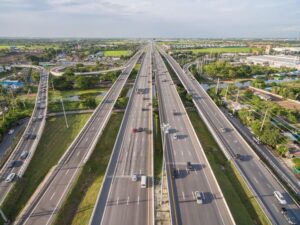
When the first section opened in 2022, people called it “the rich man’s road”. By 2025 the full extension reaches all the way to Limuru Road and connects seamlessly to the Western Bypass.
What this actually means on the ground:
- A parent in Runda now drops children at Rosslyn Academy and reaches a Westlands office in under 20 minutes.
- Friday evening airport runs for international schools’ half-term breaks are no longer a nightmare.
- Homes along the corridor that were “convenient but not perfect” suddenly feel central. The quiet streets of Rosslyn and Gigiri now feel like the true heart of Nairobi luxury living.
2. Western and Northern Bypass Upgrades – The North Finally Opens Up
The widened interchanges and new service lanes finished in early 2025 have done something remarkable: they have brought Lower Kabete, Kitisuru, Nyari and parts of Kiambu Road into the same conversation as Runda and Karen.
Families who once dismissed these areas as “too far” now drive home in the evening and realise they have escaped the worst of the traffic while still enjoying big gardens, cool air and coffee-farm views.
3. James Gichuru–Ngong Road–Langata Link – Karen’s Quiet Revolution
For decades, Karen was paradise — if you never needed to leave. The new elevated sections and flyovers completed in 2025 have changed everything.
A typical Saturday now looks like this:
- Morning school sports at Brookhouse
- Quick lunch at The Hub
- Afternoon visit to friends in Lavington
- Home before the children even notice the drive
The same suburb that once felt isolated now feels perfectly connected.
4. Nairobi Commuter Rail Phase 2 – The Train That Makes “Far” Feel Close
The new stations and upgraded lines mean:
- A family in Ruiru steps off the train at Westlands in the morning and is at their desk before many car drivers have left home.
- Children in satellite towns attend top schools in town without spending hours in traffic.
- Areas that were once “affordable but distant” now feel like genuine alternatives to traditional upmarket suburbs.
5. JKIA Terminal 3 & Second Runway – The Airport Effect Nobody Saw Coming
With the new terminal and runway fully operational in 2025, the drive from Gigiri, Runda or Muthaiga to an international flight is now shorter than from many European cities to their airports.
Parents wave goodbye to children flying to boarding school and are home in time for dinner. Business travellers catch the red-eye to Dubai and still make morning meetings.
6. Thika Road Superhighway Service Roads – The Forgotten Upgrade That Changed Everything
The quiet addition of proper service roads along the superhighway has turned Ridgeways, Garden Estate and Mirema into peaceful residential pockets with shockingly quick access to town.
A typical weekday morning:
- Leave home at 7:15 a.m.
- Drop children at school near Village Market
- Reach Westlands office by 7:50 a.m.
The same journey five years ago took until 9:00 a.m. or later.
7. Southern Bypass Extension – Ongata Rongai and Kiserian Enter the Conversation
The new extension to Magadi Road has brought areas that were once firmly “outside Nairobi” into daily commuting distance.
Young families who could never afford Karen or Lavington now enjoy big plots, fresh air, and a manageable drive to work — while watching their land value rise steadily.
8. Underground Cabling & City-Wide Fibre – The Invisible Luxury
In streets across Lavington, Kileleshwa, parts of Karen and Westlands, the ugly overhead cables are gone.
No more power outages from falling branches. No more poles blocking views. Internet that never drops during Zoom calls or Netflix evenings.
It’s the kind of upgrade you only notice when you realise you haven’t lost power in two years.
How This Actually Changes Property Values – The Human Impact
A home that was “beautiful but inconvenient” in 2020 is now “perfectly located” in 2025. A suburb that felt isolated is now connected. A commute that used to steal two hours a day now returns that time to family, exercise, or simply enjoying the evening.
These are not just roads and trains. They are the reason families are happily staying in Nairobi longer, why diaspora buyers are returning sooner, and why property in the right locations continues to grow in value.
Quick 2025 Reference Table – Infrastructure Property Nairobi Impact
| Project | Suburbs Most Transformed | Daily Time Saved | Property Value Lift (2022–2025) |
|---|---|---|---|
| Nairobi Expressway Extension | Runda, Rosslyn, Gigiri, Westlands | 60–90 minutes | +22–38 % |
| Western/Northern Bypass | Lower Kabete, Kitisuru, Kiambu Road | 45–75 minutes | +28–52 % |
| James Gichuru–Langata Link | Karen, Langata | 40–80 minutes | +18–34 % |
| Commuter Rail Phase 2 | Ruiru, Syokimau, Athi River | 60–120 minutes | +28–46 % |
| JKIA Upgrades | Gigiri, Runda, Muthaiga | 20–40 minutes | +15–28 % |
The Bottom Line
Infrastructure property Nairobi in 2025 is quietly doing something powerful: it is giving families back their time, connecting beautiful homes to the rest of the city, and rewarding owners who bought in the right places years ago.
The suburbs that feel perfect today will feel even better tomorrow.
Want the completely free 2025 Infrastructure & Property Impact Guide with exact maps, timelines and value projections for every major Nairobi suburb? Contact Realty Boris today – no obligation, just clear insight.