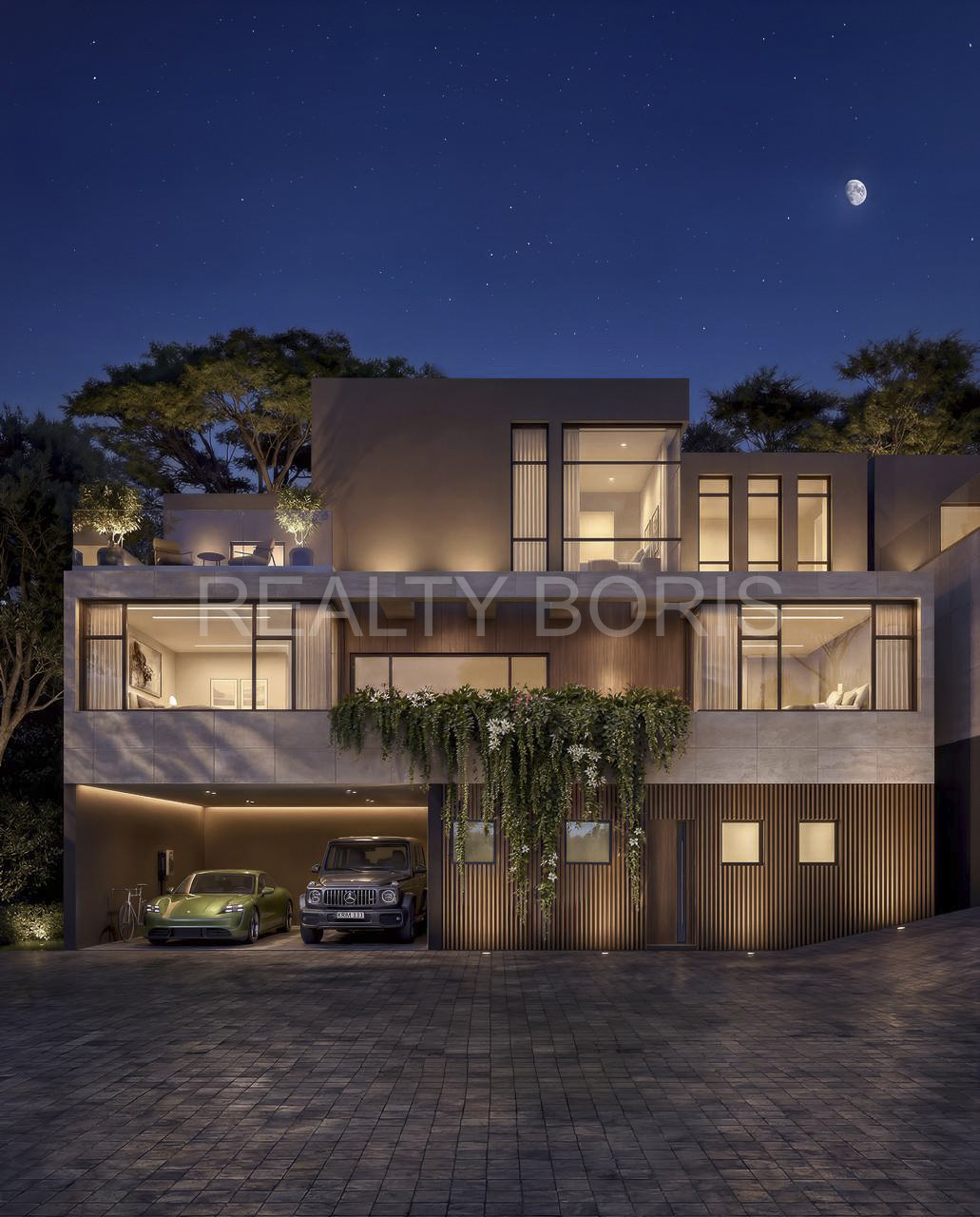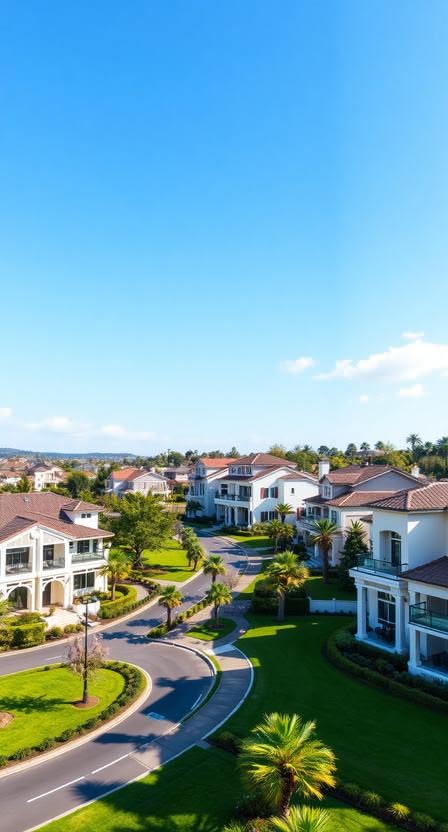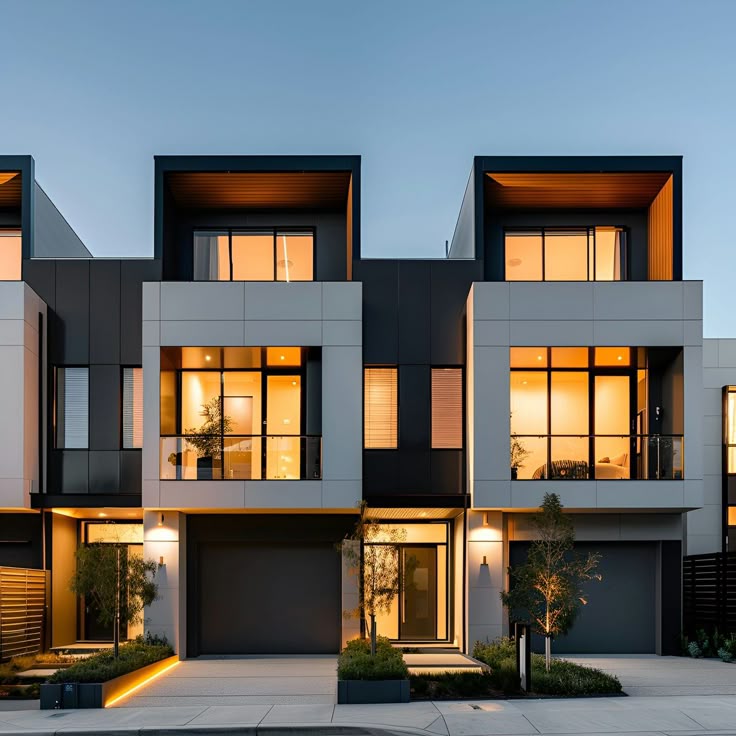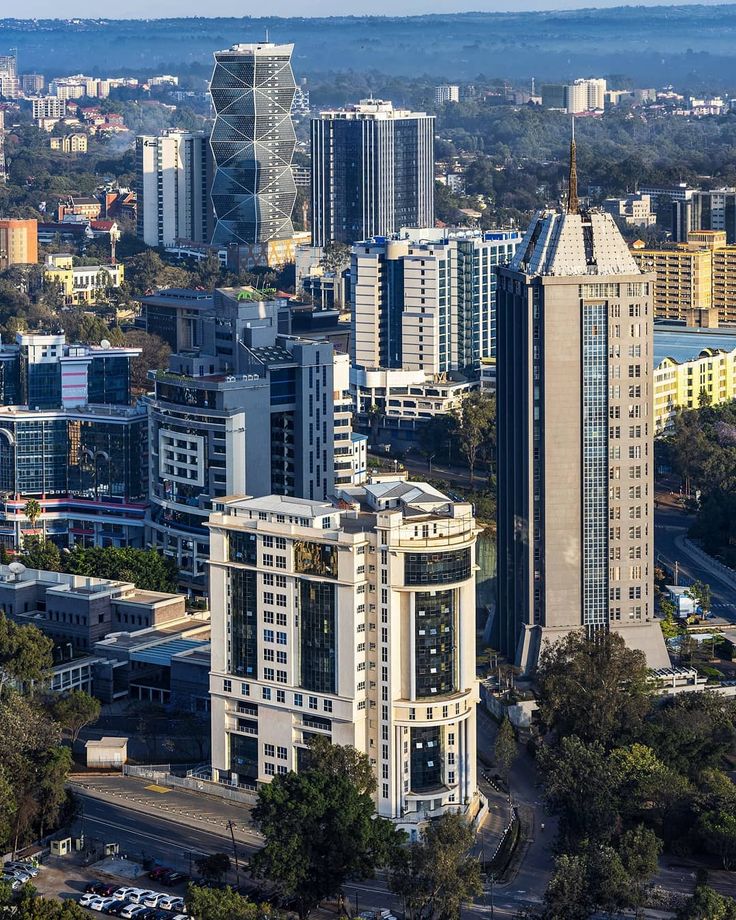
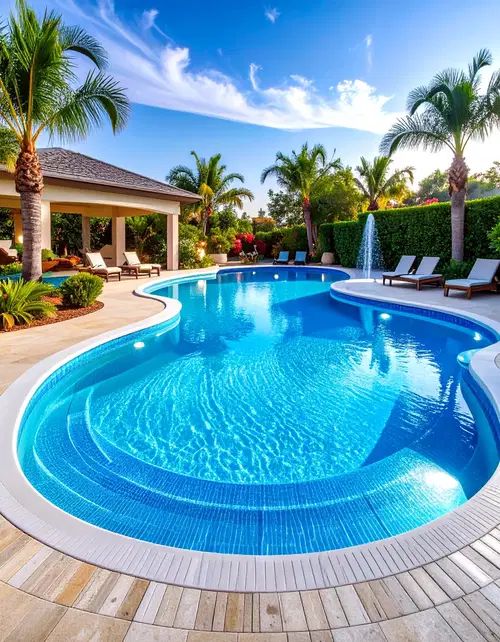
Luxury Property in Nairobi is becoming harder to define.
A few years ago, a rooftop swimming pool, modern gym, residents’ lounge, smart-home system and impressive lobby could immediately make an apartment development feel premium.
Today, those features are becoming common.
Developments across Kilimani, Westlands, Kileleshwa, Lavington and Riverside increasingly advertise almost identical amenity packages:
- Swimming pool
- Fully equipped gym
- Rooftop lounge
- Children’s play area
- Co-working space
- Backup generator
- Borehole
- CCTV
- Smart-home features
If almost every new apartment has them, can they still define luxury?
That is the question buyers and investors need to ask.
At Realty Boris, our view is that true luxury begins where standard premium features end.
Luxury is increasingly about scarcity, privacy, space, architectural quality, comfort, location, service and the experience of living in the property.
A swimming pool can support that experience.
But a pool by itself does not make a property luxurious.
The same applies to a gym.
A development with 300 apartments sharing one swimming pool may technically have the same amenity as a development where 40 residences share a private wellness area.
The experience is completely different.
Understanding that difference is becoming increasingly important as Nairobi’s premium property market becomes more competitive.
Luxury Property in Nairobi: Why Pools and Gyms Are No Longer Enough
Luxury Property in Nairobi has evolved because developers have become better at copying visible features.
It is relatively easy to add:
- A gym
- Pool
- Cinema
- Rooftop terrace
- Residents’ lounge
- Games room
These features photograph well.
They look impressive on social media.
They give developers strong marketing material.
But luxury is not simply a checklist of amenities.
International housing frameworks reinforce the idea that the quality of housing extends far beyond the physical structure.
UN-Habitat identifies important dimensions of adequate housing including habitability, access to services and infrastructure, accessibility, suitable location and security of tenure. Luxury housing should therefore exceed these basic expectations rather than merely add decorative amenities.
UN-Habitat – Adequate Housing Framework
The key question for a premium buyer should therefore become:
What makes this property difficult to replicate?
That is where true luxury starts.
1. Luxury Begins With Scarcity
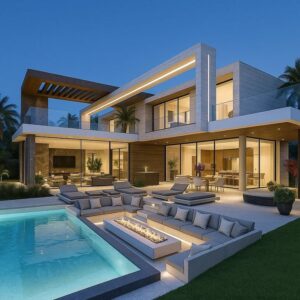
Luxury has always had a relationship with scarcity.
If everyone has something, it gradually stops feeling exclusive.
This principle applies directly to real estate.
A property becomes more luxurious when it contains qualities that cannot easily be reproduced.
Scarcity may come from:
- Low-density development
- Limited number of residences
- Large unit sizes
- Unique views
- Large private gardens
- Exceptional architecture
- Private lifts
- Large terraces
- Prime land
- Mature landscaping
- Exceptional ceiling heights
- Rare neighbourhood positioning
Consider two developments.
Development A
300 apartments.
Swimming pool.
Gym.
Rooftop lounge.
Development B
40 residences.
Large apartments.
Private lift access.
Only two units per floor.
Large terraces.
Mature landscaping.
High privacy.
Both may technically be marketed as luxury.
But the second development offers something more difficult to reproduce:
scarcity.
That scarcity can influence both lifestyle appeal and long-term value.
In a market where hundreds of new apartments are offering identical amenity packages, genuine scarcity becomes increasingly important.
2. Space Is Still One of the Strongest Luxury Signals
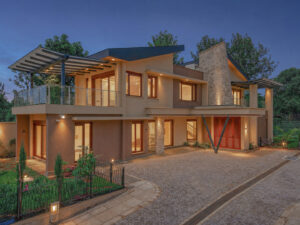
One of the clearest signs of Luxury Property in Nairobi is space.
Not simply square metres on a brochure.
Usable space.
A genuinely premium property should feel comfortable before the buyer even notices the finishes.
This may include:
- Generous living areas
- Wide corridors
- Large bedrooms
- Proper dining areas
- Full-size kitchens
- Large balconies
- Walk-in wardrobes
- Storage
- Laundry areas
- DSQ
- Large bathrooms
- Comfortable circulation space
Modern apartment development has created an interesting contradiction.
Amenities are increasing while apartment sizes are sometimes shrinking.
A development may advertise ten shared amenities while reducing the actual living area inside the apartment.
A sophisticated luxury buyer should ask:
Would I rather own a larger home or share another rooftop amenity with 250 neighbours?
There is no universal answer.
But high-end buyers often value the space they control privately more than amenities they share publicly.
For family buyers in particular, apartment size can be one of the strongest long-term luxury features.
3. Privacy Is Becoming the Ultimate Amenity
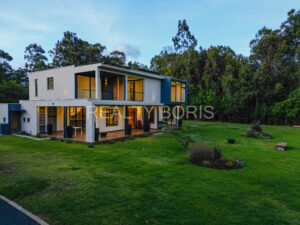
A truly premium development should control how many people you encounter between arriving at the property and entering your home.
Privacy can be created through:
- Fewer apartments per floor
- Private lift lobbies
- Separate service entrances
- Private gardens
- Controlled visitor access
- Acoustic separation
- Secure parking
- Separate staff access
- Low-density planning
- Large setbacks
This is why a smaller boutique development may sometimes feel more luxurious than a massive tower with more amenities.
Imagine paying a premium price for an apartment but sharing:
- Four lifts
- One pool
- One gym
- One reception
- One driveway
with hundreds of other households.
That may still be a very good property.
But exclusivity decreases as density increases.
For Nairobi’s highest-end buyers, privacy is increasingly becoming more valuable than amenity quantity.
Luxury is not always having access to more people.
Sometimes luxury means not having to encounter them.
4. Architecture Separates Luxury From Decoration
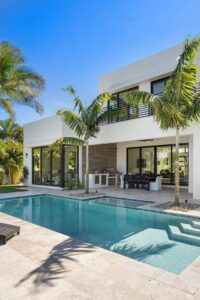
True Luxury Property in Nairobi should have architectural integrity.
This is different from expensive finishes.
A building can contain marble, chandeliers and gold-coloured fittings and still have poor architecture.
Good architecture considers:
- Orientation
- Natural lighting
- Ventilation
- Views
- Privacy
- Circulation
- Proportion
- Ceiling height
- Outdoor space
- Landscape integration
- Relationship between rooms
- Arrival experience
Architecture determines how a property feels long after the excitement of the finishes disappears.
A beautifully planned home can remain relevant for decades.
Trendy finishes may age within five years.
This distinction is critical for investors.
A timeless apartment normally has broader resale appeal than a property designed mainly around current aesthetic trends.
The strongest luxury buildings do not only photograph well.
They live well.
5. Real Quality Is Often Hidden
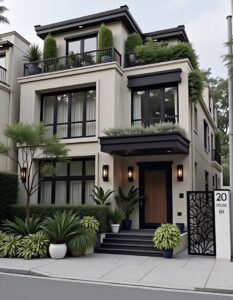
Some of the most important luxury features are invisible during a five-minute viewing.
Construction quality matters.
Buyers should investigate:
- Sound insulation
- Waterproofing
- Plumbing
- Electrical systems
- Lift quality
- Windows
- Doors
- Drainage
- Ventilation
- Backup systems
- Fire safety
- Water pressure
- Structural quality
- Materials
- Mechanical systems
A premium kitchen is less impressive if the plumbing constantly fails.
Floor-to-ceiling windows lose their appeal if sound insulation is poor.
A high-end bathroom is frustrating if water pressure is unreliable.
Luxury therefore includes engineering quality.
Kenya’s National Construction Authority requires construction projects to be registered and identifies requirements including registered contractors, licensed consultants and approved architectural and structural drawings.
National Construction Authority – Project Registration
Regulatory compliance alone does not make a property luxurious.
But a property marketed at the highest end of the market should certainly not compromise on construction fundamentals.
The expensive things buyers notice are important.
The expensive things buyers do not notice until something fails are often more important.
6. Location Creates Luxury That Developers Cannot Manufacture

A developer can build another swimming pool.
They can install another gym.
They can create another cinema room.
They cannot manufacture another prime piece of land.
That makes location one of the strongest forms of luxury scarcity.
A premium location may offer:
- Quiet surroundings
- Mature trees
- Low density
- Security
- Convenient access
- Strong neighbouring properties
- Proximity to international schools
- Diplomatic presence
- Shopping
- Private healthcare
- Restaurants
- Business districts
- Good road connections
This explains why established neighbourhoods such as:
- Muthaiga
- Runda
- Karen
- Nyari
- Kitisuru
- Spring Valley
- Riverside
- Lavington
continue attracting high-end demand.
Even within these neighbourhoods, micro-location matters.
Two apartments both marketed as Riverside property may have completely different surroundings.
One may overlook greenery.
Another may face construction.
One may sit on a quiet road.
Another may face heavy traffic.
The neighbourhood name is only the beginning of the analysis.
True luxury is highly specific.
7. Wellness Means More Than Having a Gym
A gym has become almost standard in premium apartment marketing.
But true wellness-led design is much broader.
The WELL Building Standard evaluates buildings through factors including air, water, light, fitness, comfort and mental well-being. This illustrates how sophisticated building quality extends beyond simply installing fitness equipment.
International WELL Building Institute – WELL Building Standard
Consider these questions:
Air
Does the apartment have good ventilation?
Light
Does natural light reach the main living spaces?
Noise
Can you hear neighbours through the walls?
Water
Is supply reliable and quality properly managed?
Comfort
Can temperature and airflow be controlled?
Outdoor Environment
Are there gardens, walking areas or green spaces?
Mental Experience
Does the development feel calm or crowded?
That is a more meaningful interpretation of wellness.
A treadmill in a basement does not automatically make a building wellness-oriented.
The entire environment should support the resident’s comfort.
8. Service Is What Turns Premium Property Into Luxury Living
A development can be beautifully built and still fail as a luxury property because of poor management.
Luxury buyers do not only buy square footage.
They buy an experience.
That experience is influenced by:
- Reception
- Security
- Concierge
- Cleaning
- Landscaping
- Maintenance
- Parking management
- Visitor handling
- Waste management
- Lift maintenance
- Response times
- Common-area standards
Consider a five-year-old luxury building.
The marble still exists.
The swimming pool still exists.
The gym still exists.
But:
- One lift is permanently broken.
- Landscaping is neglected.
- Security is inconsistent.
- Common areas are dirty.
- The pool is poorly maintained.
- Management never responds.
Is it still luxury?
This is where building management becomes part of the value proposition.
The premium is not only created when the property is sold.
It must be maintained every day after handover.
9. Sustainability Is Becoming a Luxury Feature
Historically, sustainability was sometimes treated as an optional environmental feature.
That is changing.
For premium buyers, efficiency increasingly affects both comfort and operating cost.
Important considerations include:
- Energy-efficient lighting
- Solar integration
- Water recycling
- Efficient cooling
- High-performance glazing
- Sustainable materials
- Rainwater harvesting
- Waste management
- Efficient appliances
- Better insulation
The International Finance Corporation’s green-building work highlights energy, water and material efficiency through its EDGE framework. IFC states that EDGE certification can apply where projects demonstrate at least a 20% projected reduction in energy use, water use and embodied energy in materials compared with conventional buildings.
IFC – Green Buildings and EDGE
Similarly, the U.S. Green Building Council’s residential LEED framework considers factors such as energy, water, indoor environmental quality, materials and resilience.
USGBC – LEED for Residential Buildings
Certification itself is not what makes a property luxurious.
The broader point is that sophisticated buyers increasingly expect their homes to perform better.
A premium property that wastes electricity, suffers constant water problems and overheats during the day may look luxurious but perform poorly.
True luxury increasingly combines beauty with efficiency.
Luxury Property in Nairobi: Do Pools and Gyms Still Matter?
Yes.
Amenities still matter.
The mistake is assuming the existence of an amenity automatically makes a development luxurious.
Buyers should instead evaluate:
Quality
Is the swimming pool genuinely attractive and usable?
Scale
How many residents share it?
Design
Does it integrate with the wider property?
Maintenance
Will management be able to maintain it properly?
Relevance
Will residents actually use it?
Cost
How much does maintaining the amenity contribute to service charge?
This last point is especially important.
Every amenity costs money after completion.
More facilities can mean:
- Higher staffing costs
- More maintenance
- Higher electricity consumption
- More cleaning
- More repairs
- Higher service charges
The question is therefore not:
“How many amenities does this project have?”
It is:
“Which amenities genuinely improve the resident experience enough to justify their long-term cost?”
That is a much more sophisticated luxury-property question.
Luxury vs Expensive: They Are Not the Same Thing
A property can be expensive without being luxurious.
Price alone does not create quality.
An apartment may cost KSh 40 million because:
- The developer paid too much for the land
- Construction costs were high
- Marketing costs were aggressive
- The area is expensive
- The project was poorly priced
None of those automatically make the property luxury.
True Luxury Property in Nairobi should justify its premium through a combination of:
- Scarcity
- Space
- Location
- Privacy
- Architecture
- Construction quality
- Materials
- Service
- Management
- Comfort
- Security
- Sustainability
- Long-term desirability
The stronger the combination, the more defensible the luxury label becomes.
What Makes a Luxury Apartment Resilient for Investors?
For investors, luxury requires another layer:
Will someone continue paying a premium to rent or buy this property?
That requires understanding the target market.
Premium tenants may include:
- Diplomats
- Expatriates
- Senior executives
- Corporate tenants
- International organisations
- High-income families
- Business owners
These tenants may prioritise:
- Security
- Privacy
- Large bedrooms
- Good kitchens
- DSQ
- Reliable utilities
- Multiple parking spaces
- Professional management
- International-school access
- Quiet surroundings
- Furnishing quality
An investor should therefore avoid buying luxury according to the brochure.
Buy according to what the eventual tenant values.
A development with 20 amenities may underperform a simpler property that gives the target tenant more of what they actually need.
The Density Question Luxury Buyers Should Ask
One of the most overlooked luxury metrics is:
How many households share the property?
Density affects:
- Lift waiting times
- Parking
- Pool use
- Gym use
- Visitor traffic
- Security
- Noise
- Water demand
- Common areas
- Privacy
Imagine two developments with identical amenities.
One has 60 residences.
The other has 400.
The amenity checklist looks the same online.
The living experience does not.
This is why serious buyers should calculate not only amenities per project but essentially amenities per resident.
Luxury becomes diluted when too many people compete for the same premium experience.
The Importance of Acoustic Luxury
Noise is one of the least glamorous but most important luxury considerations.
Premium buyers should pay attention to:
- Wall insulation
- Floor insulation
- Road noise
- Generator noise
- Lift noise
- Neighbouring entertainment venues
- Construction noise
- Mechanical equipment
- Plumbing noise
A beautiful apartment beside constant noise quickly stops feeling luxurious.
Acoustic comfort is one of the areas highlighted within broader wellness-building frameworks such as WELL, which treats comfort as part of the occupant experience.
Silence does not photograph well in a brochure.
But anyone who has lived in a noisy apartment understands its value.
Sometimes true luxury is simply being able to close your door and hear nothing.
Views Are an Underestimated Form of Luxury
Views create another type of scarcity.
You cannot renovate your way into a better view.
Premium views may include:
- Forest
- Mature greenery
- Nairobi skyline
- Hills
- Open landscape
- Protected low-density areas
But buyers should investigate whether the view is permanent.
An empty neighbouring plot could eventually become another tower.
A buyer paying a premium for a view should therefore understand surrounding development potential.
The same principle applies to natural light.
A bright apartment today could become considerably darker if another building is approved beside it.
Luxury-property analysis should look beyond the current photograph and consider the future urban environment.
Service Charge Can Reveal Whether the Luxury Model Is Sustainable
Luxury amenities need to be funded.
A development containing:
- Heated pool
- Gym
- Cinema
- Spa
- Sauna
- Concierge
- Landscaped gardens
- Multiple lifts
- Backup generators
- Security personnel
may naturally require higher operating expenditure.
That is not automatically a problem.
But buyers should understand the numbers.
Ask:
- What is the estimated monthly service charge?
- What is included?
- How often can it increase?
- Who manages the property?
- Is there a sinking fund?
- How will major repairs be funded?
Unsustainable service charges can weaken both rental demand and resale value.
Luxury should be sustainable financially as well as visually.
Luxury Property in Nairobi: What Buyers Should Inspect
Before paying a premium price, inspect:
Inside the Apartment
- Ceiling height
- Natural light
- Room proportions
- Storage
- Kitchen quality
- Bathroom quality
- Wardrobes
- Windows
- Sound insulation
- Balcony
- DSQ
- Utility area
Inside the Building
- Lift quality
- Corridors
- Lobby
- Fire exits
- Security
- Parking
- Common areas
- Water
- Backup power
Outside the Building
- Road access
- Neighbouring plots
- Noise
- Density
- Greenery
- Security
- Traffic
- Surrounding development
Management
- Service charge
- Property manager
- Staffing
- Cleaning
- Maintenance plan
- Sinking fund
True luxury survives inspection beyond the show apartment.
Common Mistakes When Buying Luxury Property
Buying the Amenity List
Amenities are easy to copy.
Evaluate the underlying property.
Ignoring Density
A highly crowded development can undermine privacy.
Confusing Expensive With Luxury
Price must be supported by quality.
Ignoring Service Charge
Luxury amenities require long-term funding.
Buying Trends
Today’s fashionable finish can quickly date.
Ignoring Management
A poorly managed luxury building deteriorates quickly.
Ignoring Space
Do not sacrifice everyday usability purely for shared amenities.
Ignoring Location
No amount of marble can fix a weak location.
Ignoring Construction Quality
Visible finishes should never distract from engineering fundamentals.
Frequently Asked Questions
What Actually Makes a Property Luxury?
True luxury generally comes from a combination of scarcity, location, space, privacy, architectural quality, construction quality, service and long-term desirability.
Amenities support luxury but do not define it on their own.
Is a Swimming Pool Necessary for Luxury Property?
Not necessarily.
A private, exceptionally designed residence without a pool may be considerably more luxurious than a high-density apartment development with a shared pool.
Luxury depends on the total experience.
What Is the Most Important Feature of Luxury Property in Nairobi?
There is no single feature, but location, privacy, space and scarcity are among the hardest characteristics to reproduce.
These tend to matter more over time than fashionable amenities.
Are Green Buildings More Luxurious?
Not automatically.
However, buildings that improve energy efficiency, water efficiency, indoor environmental quality and comfort can provide a better ownership experience.
International frameworks such as LEED, EDGE and WELL demonstrate how building performance can be measured beyond visual appearance.
Does a Higher Price Mean Better Luxury?
No.
A high asking price only tells you what the seller wants.
The buyer must determine whether the property’s location, design, scarcity, space, quality and management justify that price.
Realty Boris Expert View on Luxury Property in Nairobi
At Realty Boris, our view is that Luxury Property in Nairobi is moving away from amenity quantity and toward experience quality.
The market is becoming more sophisticated.
A gym is expected.
A pool is increasingly expected.
A rooftop lounge is no longer unusual.
The question is what comes next.
We believe the strongest luxury properties will increasingly compete on:
- Privacy
- Low density
- Space
- Architecture
- Views
- Mature landscaping
- Build quality
- Wellness
- Sustainability
- Service
- Professional management
- Exceptional location
These characteristics are harder to imitate.
That is what gives them value.
Developers should therefore stop asking:
“How many amenities can we fit into this project?”
and start asking:
“What will make living here noticeably better than living anywhere else?”
Investors should ask the same question.
Final Thoughts
Luxury Property in Nairobi should no longer be defined by whether the brochure contains a swimming pool and gym.
Those amenities have become increasingly common.
True luxury is what remains difficult to reproduce.
It is the large apartment when surrounding apartments are becoming smaller.
It is the quiet home in a noisy city.
It is the private lift in a high-density market.
It is the mature garden that took decades to grow.
It is the unobstructed view.
It is the road that remains peaceful.
It is the architecture that still looks relevant ten years later.
It is the building where everything works.
It is the property manager who answers.
It is the home that feels private even though you live in the middle of Nairobi.
That is the difference between an apartment with luxury amenities and a genuinely luxurious property.
The next generation of Nairobi luxury buyers will likely become less impressed by how many features a building offers and more interested in how well the property allows them to live.
That is where real luxury begins.
Call to Action
Looking for luxury property in Nairobi?
Contact Realty Boris for expert property guidance and carefully selected opportunities.