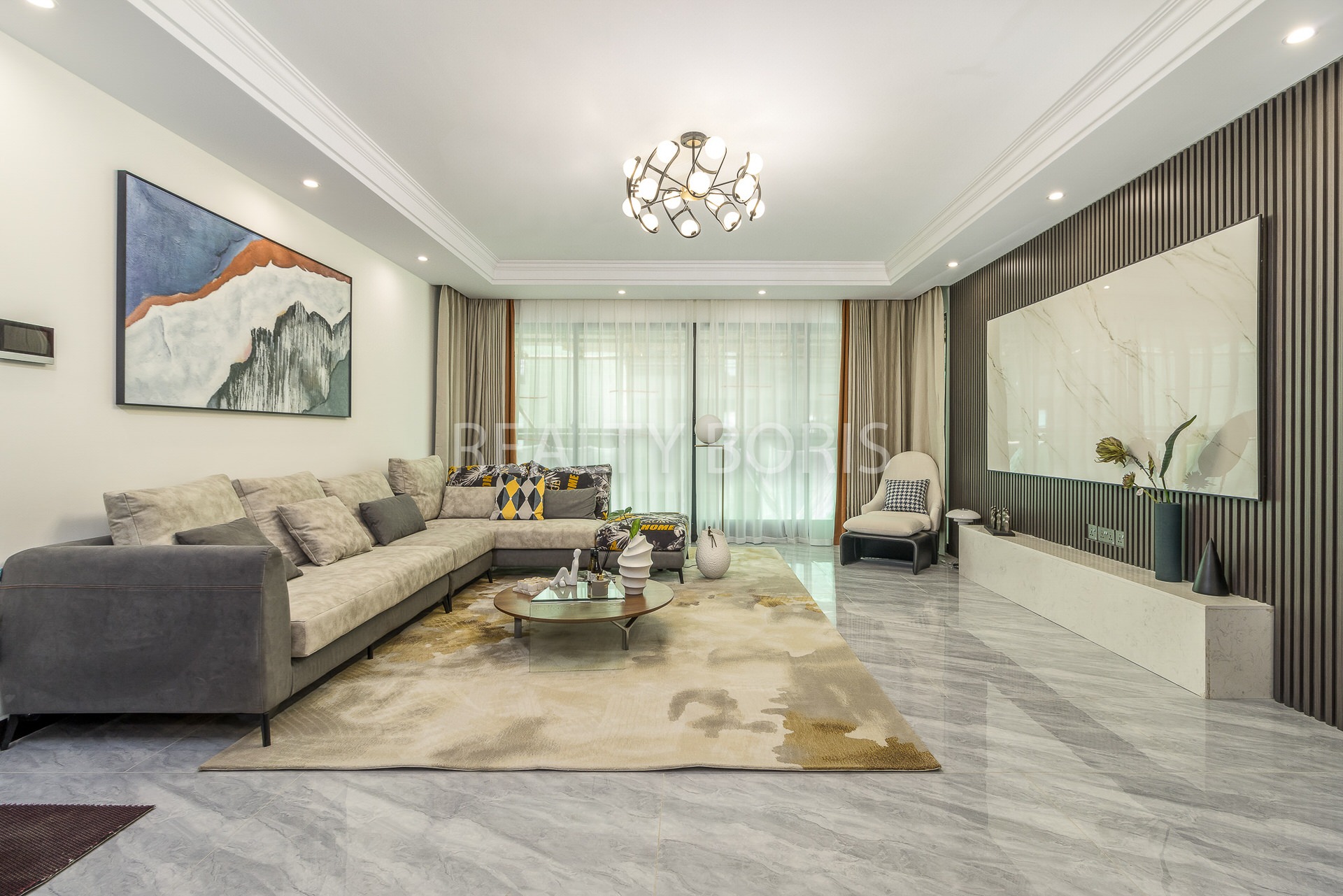
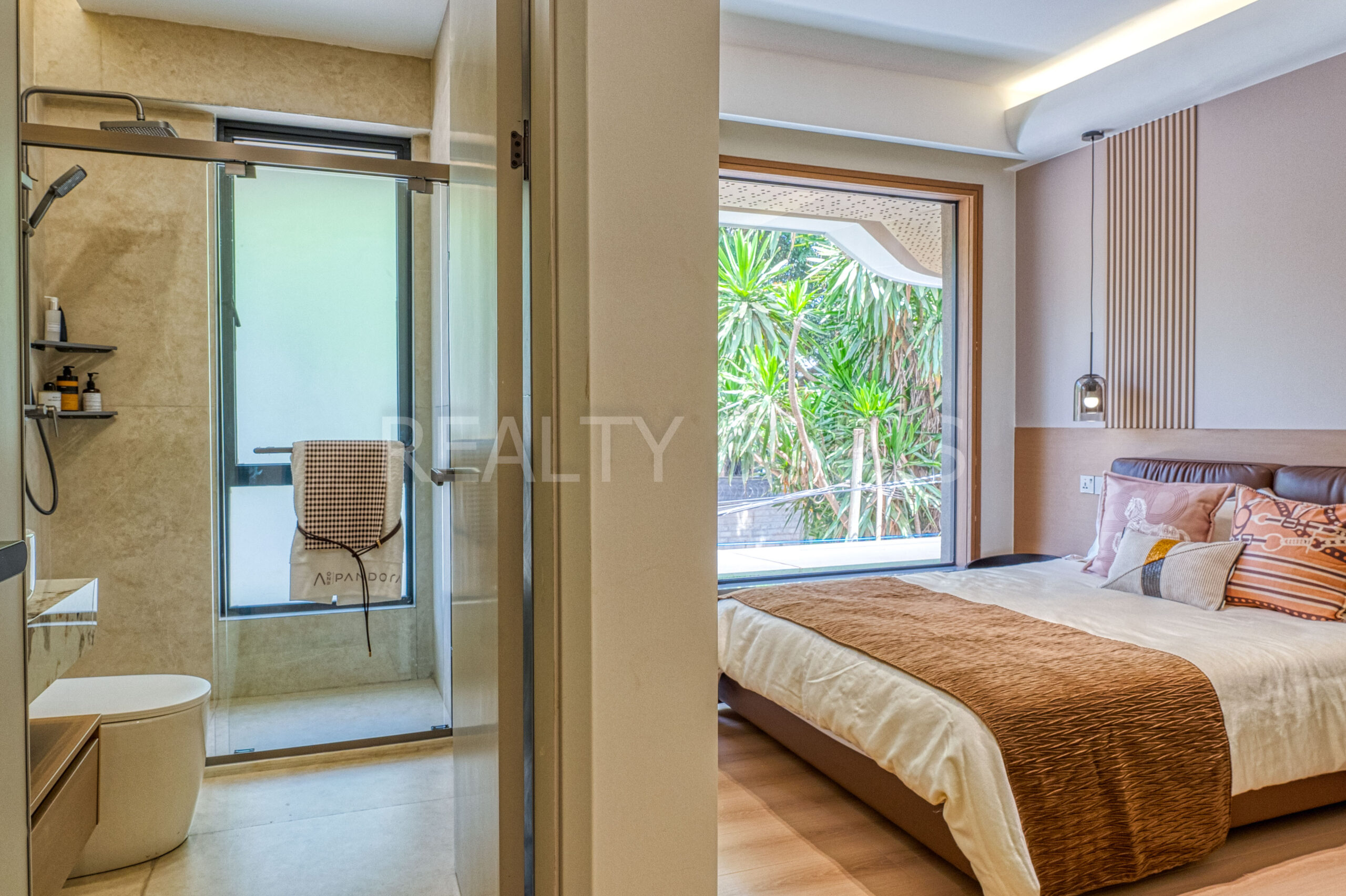

Kilimani remains one of Nairobi’s most dynamic upmarket rental markets in 2026 — a vibrant, central suburb that combines leafy charm with walkable access to Yaya Centre, international schools, co-working spaces, hospitals, and quick routes to Westlands and the CBD. While 3- and 4-bedroom family units still command strong long-term appreciation, the rental market has shifted decisively: studio units and 1-bedroom apartments in Kilimani now dominate tenant demand, vacancy rates, letting speed, and overall investor cash flow.
This trend is driven by changing demographics, economic realities, and lifestyle preferences among Kilimani’s core renters: young professionals (25–35), single expatriates, short-term corporate assignees, postgraduate students, and small couples. Larger units (2+ bedrooms) appeal to a narrower family segment that is more sensitive to price increases and economic caution. This detailed analysis explains why studio units and 1-bedroom apartments are currently outperforming larger units in Kilimani’s rental market — and why many investors are reallocating capital toward smaller, higher-velocity units.
1. Shifting Tenant Demographics Favor Smaller Units
Kilimani’s primary rental pool in 2026 is no longer dominated by traditional families — it’s young professionals and expatriates.
- Studio units in Kilimani → Ideal for singles, fresh graduates, short-term expat contracts, digital nomads, and postgraduate students.
- 1-bedroom apartments in Kilimani → Perfect for young couples, DINKs (double income no kids), mid-level expats on 1–3 year assignments, and small professionals who work hybrid.
- 2- and 3-bedroom units → Mainly attract families — a smaller, more price-sensitive group that often waits for economic stability before committing.
Result: Studios and 1-bedrooms capture ~65–75% of active rental demand in Kilimani (per recent agent and portal data trends), while larger units compete in a thinner pool.
2. Higher Gross & Net Yields on Smaller Units

Smaller footprints deliver better percentage returns — even when absolute rents are lower.
- Studio units in Kilimani Purchase range: KES 9.5–16.5 million Monthly rent (furnished): KES 55,000–95,000 Gross yield: 7.5–9.5% (furnished often 9–10.5%) Net yield after levies/maintenance: ~6.0–8.0%
- 1-bedroom apartments in Kilimani Purchase range: KES 16.5–28 million Monthly rent (furnished): KES 95,000–165,000 Gross yield: 7.0–9.0% Net yield: ~5.5–7.5%
- 2-bedroom apartments in Kilimani Purchase range: KES 25–45 million Monthly rent: KES 130,000–220,000 Gross yield: 6.0–8.0% Net yield: ~4.5–6.5%
Key Insight: Studios and 1-bedrooms generate 1–2.5% higher net yields due to lower purchase price relative to achievable rent — making them the cash-flow champions.
3. Faster Letting Speed & Lower Vacancy Risk
Smaller units turn over quicker and sit empty less often.
- Studio units in Kilimani → Average letting time: 1–4 weeks (high demand from singles/expats) Vacancy rate: 4–8% annually
- 1-bedroom apartments in Kilimani → Average letting time: 2–5 weeks Vacancy rate: 5–10% annually
- 2- and 3-bedroom units → Average letting time: 4–10 weeks Vacancy rate: 10–18% (family tenants take longer to decide)
Winner: Studios and 1-bedrooms minimize lost income — critical for maximizing IRR in a market where timing matters.
4. Lower Holding & Maintenance Costs
Smaller units are cheaper to own month-to-month.
- Studio units in Kilimani Service charge: KES 6,000–11,000/month Utilities/maintenance: KES 5,000–12,000/month
- 1-bedroom apartments in Kilimani Service charge: KES 9,000–15,000/month Utilities/maintenance: KES 8,000–18,000/month
- 2- and 3-bedroom units Service charge: KES 14,000–25,000+/month Utilities/maintenance: KES 15,000–35,000+/month
Advantage: Lower fixed costs mean higher net cash flow — especially important when vacancies do occur.
5. Broader & More Resilient Tenant Base

Studios and 1-bedrooms appeal to a wider, more recession-resistant demographic.
- Young professionals and expats are less affected by family-related economic pressures (school fees, larger living costs).
- Short-term corporate leases and digital nomads provide steady turnover.
- Larger family units depend on more stable household incomes — which can shrink during slowdowns.
Result: Studios and 1-bedrooms maintain occupancy better during economic uncertainty.
6. Easier Entry for Portfolio Builders
Lower price points allow investors to acquire multiple units.
- A KES 40 million budget buys 3–4 studios or 2–3 one-bedrooms — vs. only 1–2 larger units.
- Diversification across several units reduces risk vs. concentration in one big property.
7. When Larger Units Still Make Sense
3- and 4-bedroom family units in Kilimani remain strong for:
- Owner-occupiers wanting space for children/home office/guests
- Long-term capital growth plays (8–12% YoY appreciation)
- Investors targeting high-income families or diplomatic tenants willing to pay premium rents
Final Verdict – Studio vs 1-Bedroom vs Larger Units in Kilimani 2026
- Highest cash-flow & lowest risk → Studio units in Kilimani (max yield, fastest turnover, lowest holding cost)
- Best balance of yield + stability → 1-bedroom apartments in Kilimani (strong demand, good appreciation, reasonable entry)
- Long-term growth & lifestyle → Larger 2- or 3-bedroom family units (if you can afford the premium and accept lower % yield)
In Kilimani’s 2026 rental market, studio units and 1-bedroom apartments dominate demand and deliver superior cash-on-cash returns — making them the go-to choice for most investors seeking high-yield, low-vacancy performance.
Call to Action: Ready to explore studio or 1-bedroom units in Kilimani for high-yield investment? Visit Realty Boris offices today for a private, in-depth discussion with our expert team. We’ll show you current high-demand listings and help you choose the best unit type for your goals. Contact us to schedule your visit and take the next step toward building your elite portfolio.