
A Smart Beginner’s Guide to Flipping Houses in a Slow Market

Entering the world of real estate investment is exciting, but flipping houses during a slow market requires patience, planning, and strategic decision-making. While fast markets reward speed, slow markets reward skill. And for beginners willing to learn, this environment can offer better prices, more negotiation power, and less competition.
In this guide, you’ll discover seven powerful strategies that make flipping houses profitable even when demand is sluggish. Whether you’re preparing for your first project or refining your investment approach, these insights ensure you flip with confidence and clarity.
1. Understanding Market Conditions Before Flipping Houses
Before diving into renovations, it helps to understand what makes a market “slow.” Generally, a slow market is characterized by:
-
Longer days on the market (DOM)
-
Fewer buyers actively shopping
-
Price reductions becoming more common
-
Higher inventory, giving buyers more options
Instead of seeing this as a challenge, beginners can view it as an opportunity. A slow market often leads to better purchasing prices, giving you room for renovations and profit margins. Learn how market cycles influence real estate decisions:
2. Choosing the Right Property for Flipping Houses
The key to success lies in selecting the right home. In a slow market, you should prioritize:
✔ Homes with cosmetic issues, not structural problems
Paint, flooring, fixtures, and landscaping are inexpensive fixes that boost value quickly.
✔ Locations with stable or rising long-term demand
Even slow markets have pockets of consistent interest—such as near universities, transport routes, or commercial hubs.
✔ Homes priced below market value
Foreclosures, estate sales, and motivated sellers present strong opportunities.
Pro Tip: Always perform a comparative market analysis (CMA) before making an offer.
3. Running Accurate Numbers to Avoid Losses

Nothing destroys a flip faster than inaccurate budgeting. Slow markets require extra financial caution.
Key calculations for flipping houses successfully:
• After Repair Value (ARV)
Estimate the property’s value after renovations.
Formula:
ARV = price of comparable renovated homes
• Maximum Allowable Offer (MAO)
A safety formula used by investors:
MAO = ARV × 70% – estimated repair costs
• Renovation budget
Plan for both expected and unexpected costs.
Soft costs to consider include permits, inspections, utilities, and insurance.
Check out our blog on renovations of property and how to make the best out of such a context.
• Holding costs
In a slow market, homes may take longer to sell, meaning you’ll pay more for:
-
Mortgage interest
-
Property taxes
-
Insurance
-
HOA fees
-
Utilities
4. Making Cost-Effective Renovations That Buyers Want
When flipping houses in a slow market, renovations must be strategic—not flashy. Focus on improvements that deliver the highest ROI.
High-ROI Renovations Include:
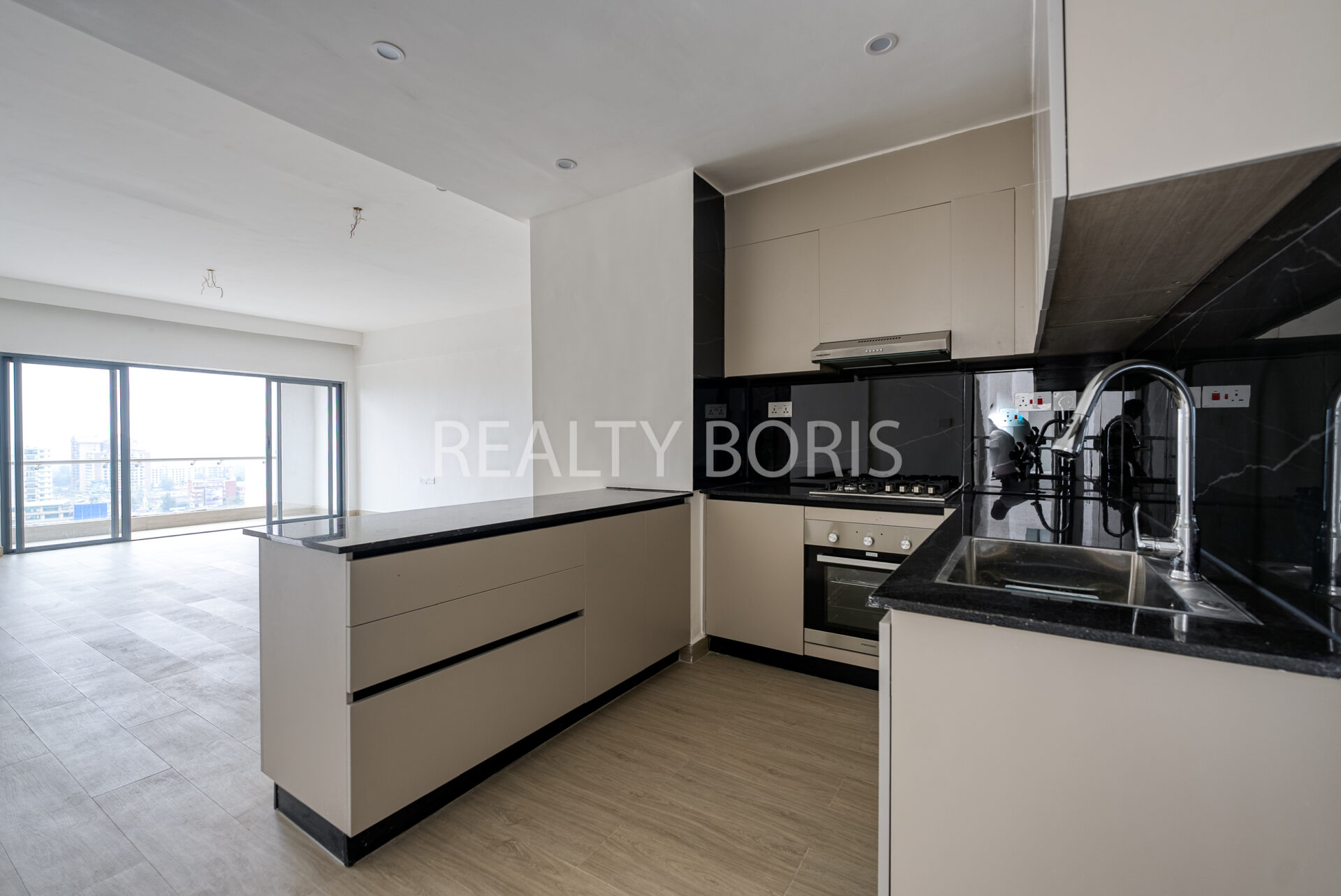
• Kitchen updates
New countertops, modern cabinets, fresh appliances.
• Bathroom improvements
Walk-in showers, new tiles, improved lighting.
• Curb appeal upgrades
Landscaping, exterior paint, improved entryways.
• Lighting and fixtures
Buyers love bright, modern spaces.
• Flooring replacements
Affordable luxury vinyl planks (LVP) offer durability and style.
Avoid over-customization
Design choices should appeal to the largest group of buyers. Neutral and timeless always sells faster in slow markets.
5. Building a Reliable Team to Support Your Flip
Successful flipping houses rarely happens alone. In a slow market, a trusted team helps you control timelines and costs.
Your flip team should include:
-
A licensed contractor
-
A home inspector
-
A real estate agent familiar with investment properties
-
A reliable electrician and plumber
-
A property stager
-
A real estate attorney
-
A photographer for listings
A strong team minimizes mistakes, avoids delays, and ensures renovations meet code requirements.
6. Pricing and Marketing Your Flip Strategically
Because a slow market attracts fewer buyers, pricing and marketing become critical to closing your flip profitably.
Smart Pricing Strategies:
✔ Price slightly below market to attract more traffic
✔ Use pricing psychology (e.g., KES 9,950,000 instead of KES 10M)
✔ Watch competitors and adjust monthly if needed
✔ Offer incentives like closing cost assistance or home warranties
Effective Marketing Techniques:
-
Professional photography
-
Virtual tours
-
Highlighting energy-efficient upgrades
-
Before/after transformation photos
-
Social media campaigns
-
Listing on multiple real estate platforms
A well-marketed flip moves faster even when buyer activity is slow.
7. Knowing When to Walk Away From a Deal
Not every property is worth flipping—especially in a slow market. Beginners must learn when to say no.
Walk away if:
-
Repairs exceed 50% of the home’s value
-
The ARV is uncertain due to lack of comps
-
The neighborhood shows long-term declining demand
-
The home has severe structural issues
-
The MAO formula yields an unprofitable offer
Walking away is a strength, not a setback. Profitable flippers protect their capital first.
Final Thoughts: Mastering Flipping Houses in a Slow Market
Flipping houses can be challenging in a slow market, but it’s also a prime opportunity for beginners to learn, negotiate better deals, and build long-term wealth. With careful planning, smart budgeting, strategic renovations, and an understanding of market dynamics, your flip can still achieve impressive returns.
If you’re ready to start flipping but want expert guidance tailored to Nairobi’s upmarket or your preferred location, let’s talk. We can help you find ideal properties, evaluate numbers, and navigate the entire flipping process confidently.
Ready to Find Your First Flip?
Let’s Work Together!
Whether you want help analyzing deals, choosing neighborhoods, or planning renovations, reach out today for personalized support in your flipping journey contact us today at Realty Boris and secure the best deal in the market with our team.