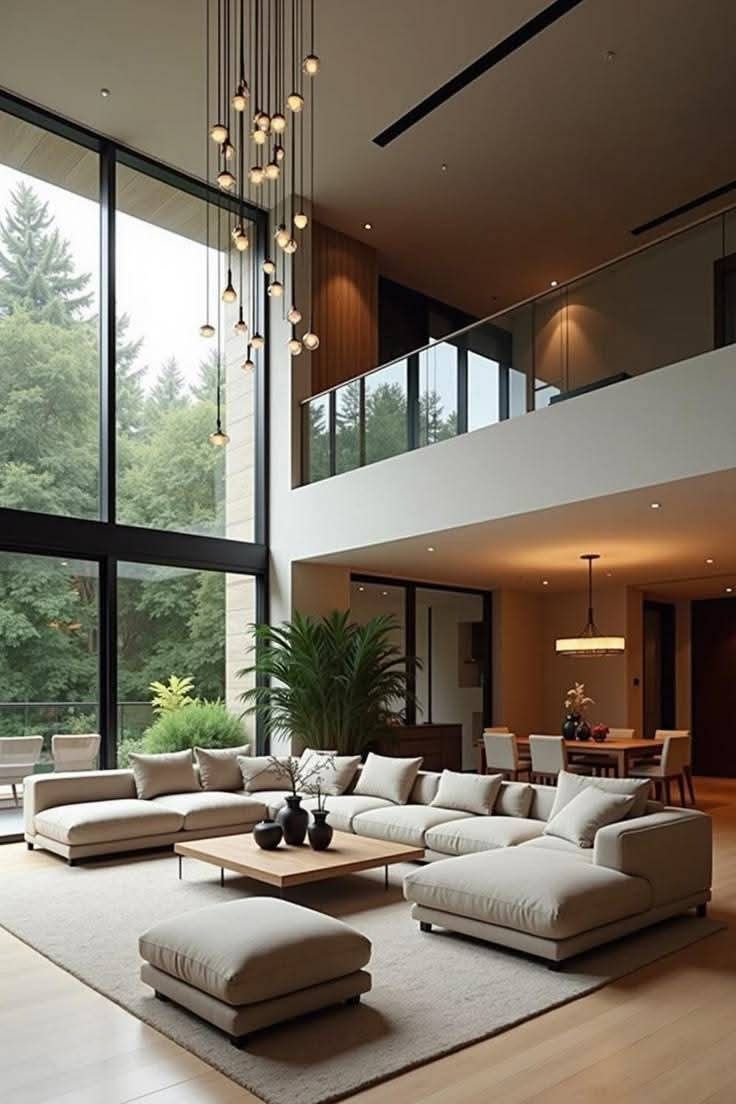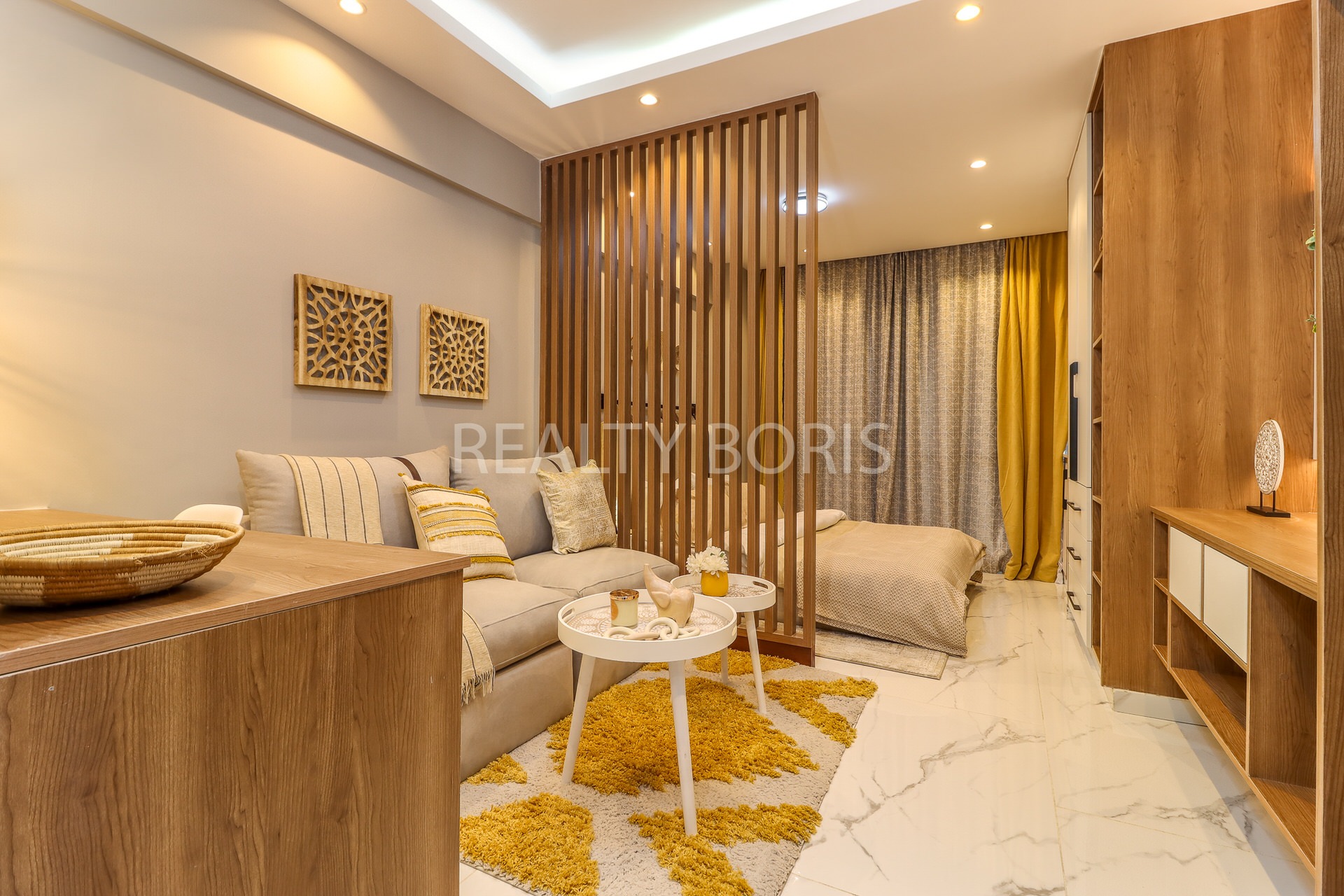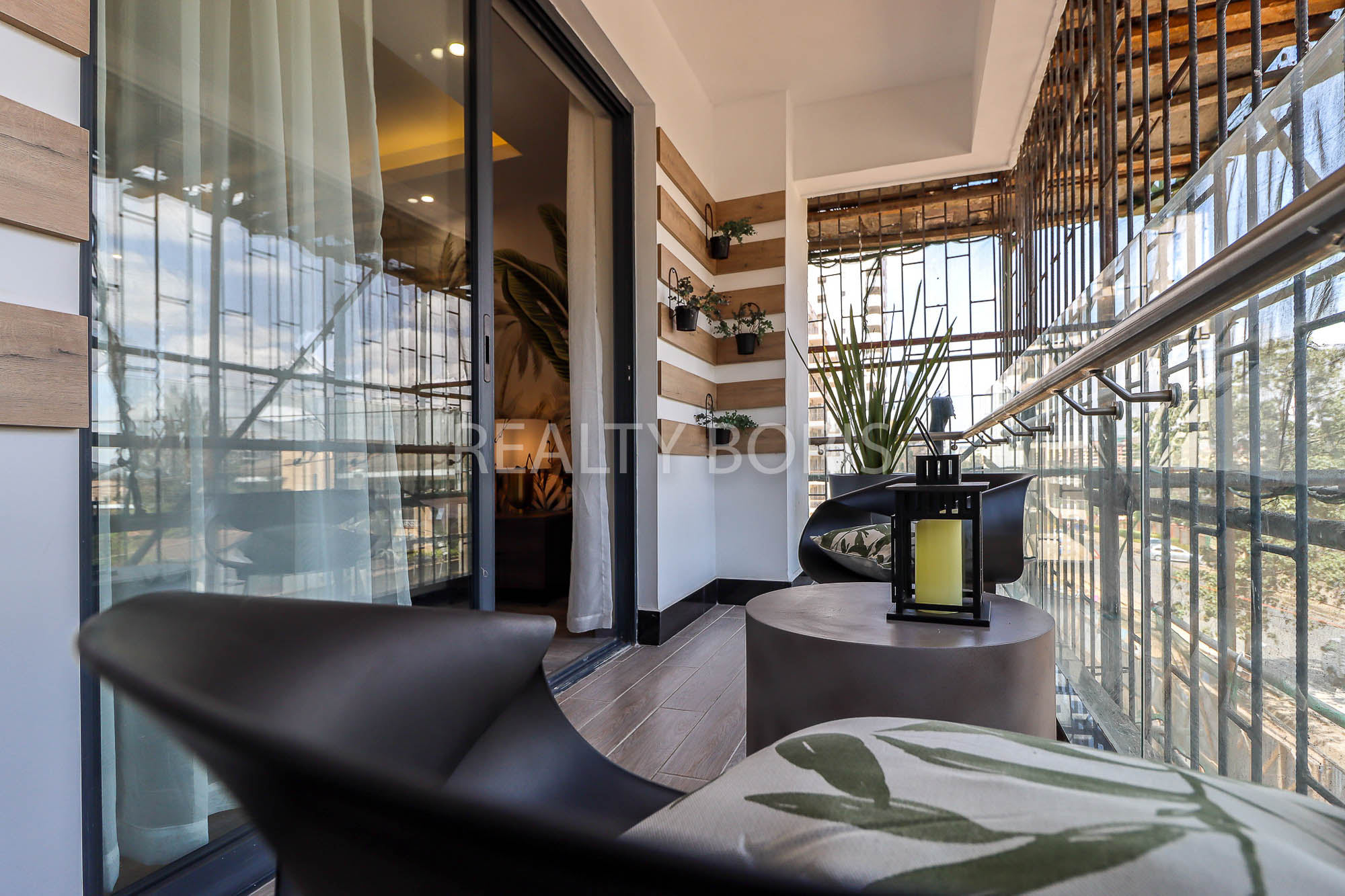
Introduction: The Transformative Power of Architecture

In the world of upmarket real estate projects, architecture is not just about designing buildings — it’s about creating lifestyle experiences. Every skyline-defining structure in areas like Kilimani, Lavington, Riverside, and Kileleshwa starts with a transformative architectural vision.
Architects are the invisible force shaping how people live, work, and feel within Nairobi’s luxury spaces. From maximising light and air flow to merging aesthetic appeal with sustainability, architects are the backbone of luxury developments that both buyers and investors seek out.
In a market where design equals value, the role of architects has evolved from technical designers to strategic creators of luxury ecosystems.
1. Transforming Vision into Value
Every high-end property begins as an idea — a sketch of possibility. The architect’s role is to translate that concept into a living, breathing structure that blends functionality with elegance.
In Nairobi’s upmarket zones, investors no longer buy just “property”; they buy an experience. Architects determine how that experience unfolds — the height of ceilings, orientation of rooms, flow of natural light, and even the emotional energy a space radiates.
Their transformative input dictates how buyers perceive value, directly influencing pricing and resale potential. A well-designed luxury apartment in Kilimani or Riverside doesn’t just stand out — it commands higher returns because it feels right.
2. Design as a Driver of Investment Success
For real estate developers, design is not an afterthought; it’s a strategic investment tool. A transformative architectural design can elevate an entire project’s market position.
Features like biophilic design, open-plan concepts, and seamless indoor-outdoor integration are now key selling points for Nairobi’s affluent homebuyers. Developers know this — that’s why partnerships with visionary architects often determine whether a property sells in months or sits idle for years.
Buyers associate great design with exclusivity, functionality, and modern luxury. In turn, investors enjoy higher occupancy rates, faster sales, and stronger brand reputation.
Check out the Architectural Association of Kenya (AAK) for insight into professional architectural standards shaping Kenya’s real estate.)
3. Sustainability: The Future of Upmarket Living
Modern architecture in Nairobi’s premium neighborhoods is rapidly aligning with green and sustainable design. Architects are integrating solar systems, water recycling units, and passive cooling methods that reduce reliance on power-heavy systems.
Beyond compliance, these features enhance the long-term investment value of properties. Buyers in areas like Lavington and Riverside now consider sustainability not as a luxury add-on but as a necessity.
The transformative role of architects here lies in balancing eco-consciousness with sophistication. They’re shaping homes that are not just beautiful, but responsible — a major selling point for investors targeting environmentally aware buyers.
Refer to NEMA Kenya for national guidelines on sustainable construction and environmental compliance.
4. Blending Functionality and Luxury
Luxury isn’t just marble floors or glass façades — it’s how seamlessly comfort integrates into daily life. Architects ensure spaces are not only stunning but practical.
In Nairobi’s high-end zones, modern buyers demand convenience — smart home features, adaptable living areas, private balconies, and spacious parking. Architects plan layouts that reflect both modern urban living and individual lifestyle needs.
This transformative blend of function and aesthetics results in spaces that feel intuitively designed. Buyers can tell when a property has been thought through by a professional versus one rushed through development.
Link to blog on The Rise of Smart Luxury Homes in Kileleshwa
5. Collaboration and Project Cohesion
Architects don’t work in isolation. They collaborate with engineers, interior designers, landscapers, and contractors to maintain design consistency and project cohesion.
Their transformative leadership ensures that from concept to completion, every element aligns — structural integrity, aesthetic flow, and compliance with Nairobi City County construction regulations.
Well-managed collaboration reduces costly redesigns and project delays, ensuring that developers deliver premium results within timelines.
6. Cultural and Market Context: Designing for Nairobi’s Identity
Unlike imported architectural models, Nairobi’s upmarket real estate demands contextual intelligence. Architects here blend global design trends with local cultural and environmental nuances.
That means understanding Nairobi’s climate, lifestyle preferences, and community patterns. A transformative design considers everything from ventilation needs in tropical weather to cultural sensibilities around space use.
By rooting their designs in Nairobi’s evolving identity, architects ensure luxury developments remain authentic and locally resonant, not copy-paste replicas from abroad.
7. Technology and Smart Design Integration
The modern architect’s toolkit now includes 3D visualization, BIM (Building Information Modelling), and AI-assisted design. These tools speed up construction processes, enhance accuracy, and allow clients to visualize spaces long before they’re built.
Tech-driven design has become a key differentiator in Nairobi’s real estate scene — a hallmark of professionalism and precision that attracts serious investors.
8. Architects as Brand Builders
In upmarket real estate, architecture defines brand identity. Developers like Mi Vida, Centum, and Cytonn have proven that architectural distinctiveness can become a marketing edge.
A transformative architect doesn’t just design buildings — they build recognition. Think of how signature balconies, façade textures, or rooftop spaces become instantly associated with specific developments.
Strong architectural branding increases a developer’s credibility and trust, helping attract repeat investors and high-end buyers looking for recognizable quality.
Conclusion: The Transformative Blueprint Behind Every Luxury Development
In every upmarket property, from Kileleshwa’s sleek apartments to Riverside’s mixed-use complexes, architects serve as the transformative backbone. They turn land and capital into living art — shaping how Nairobi defines luxury, sustainability, and urban progress.
For developers and investors, collaborating with visionary architects is not an expense — it’s an investment multiplier. The right architect doesn’t just create structures; they create legacies that stand the test of time.
What To Do:
Reach out to Realty Boris — our team connects you with verified listings, trusted developers, and real-time market insights to help you invest confidently.