
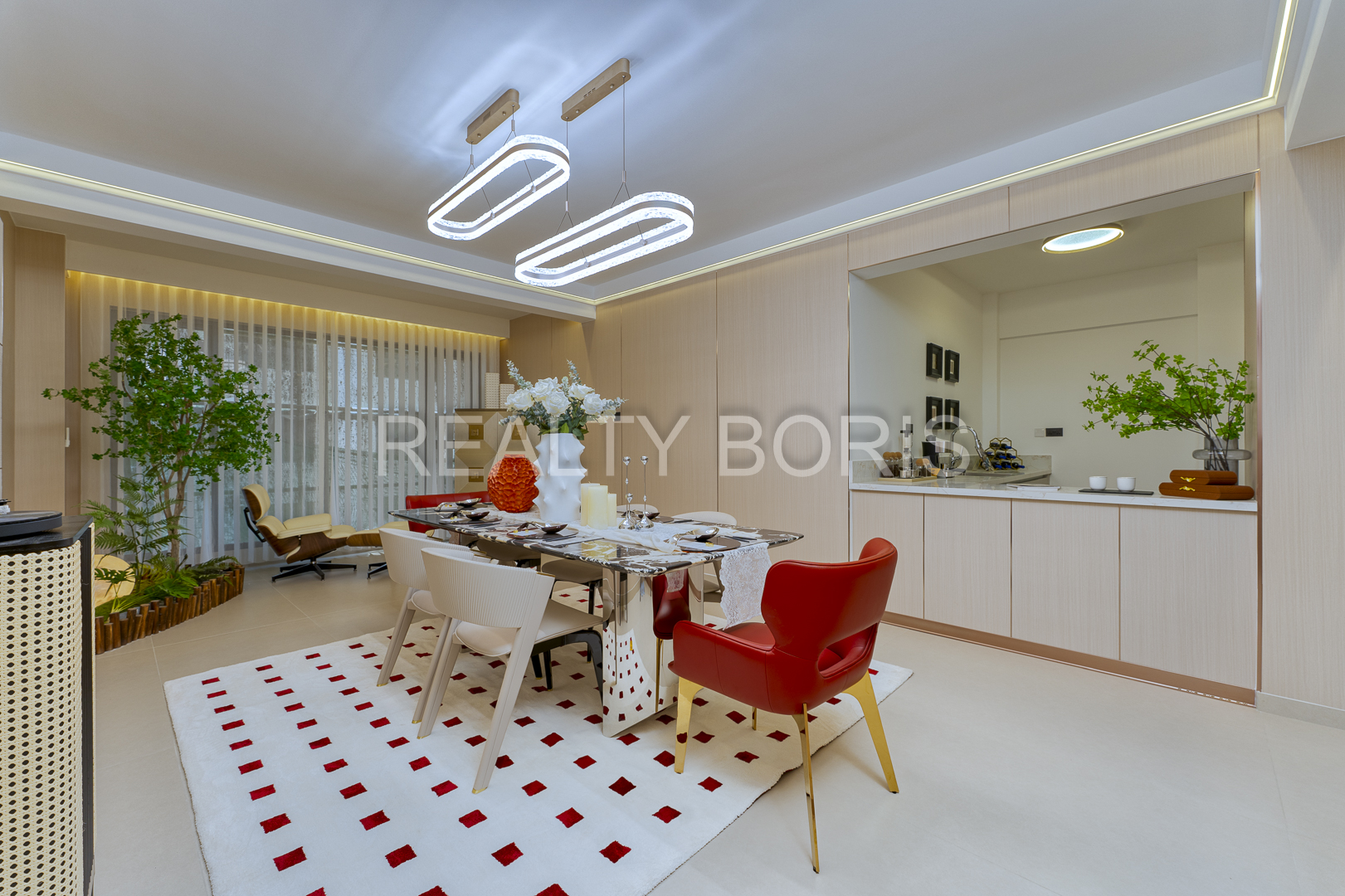
The Art of Elevated Living
Interior design in Nairobi’s luxury apartments has evolved from simple aesthetics to a statement of identity and lifestyle. Today, interior design defines how residents in Kilimani, Kileleshwa, Riverside, and Westlands experience their homes — through balance, innovation, and elegance.
For high-end developers and discerning homeowners, interior design trends are more than seasonal choices; they’re investments in comfort, class, and long-term property value. As Nairobi continues to grow into a real estate powerhouse, these design directions are shaping what luxury truly means in urban living.
Let’s break down seven elevated interior design trends defining Nairobi’s upmarket apartments in 2025.
1. Minimalist Luxury with Kenyan Identity
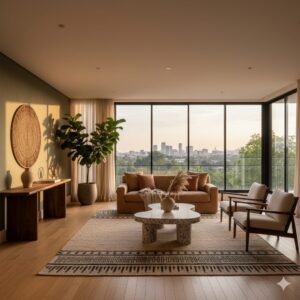
Minimalism is no longer “bare.” It’s intentional simplicity with personality. In Nairobi’s top-tier apartments, this translates to clean lines, natural tones, and uncluttered layouts — accented with local artistry.
Designers now incorporate Kenyan-made decor, handwoven sisal rugs, and wood from sustainable local sources like Elgon teak or African mahogany. The result: calm, elegant interiors that celebrate cultural pride while maintaining international appeal.
2. Smart Integration for Effortless Living
Luxury in 2025 is synonymous with smart convenience. Nairobi’s developers and interior designers are weaving automation into daily life — think voice-controlled lighting, motion sensors, smart thermostats, and remote-access security systems.
Interior design now complements these technologies with sleek concealment and integration. For instance, flush wall panels hide wiring, smart mirrors double as screens, and adaptive lighting shifts tone based on mood or time of day.
Related blog- The Rise of Smart Luxury Homes in Kileleshwa
3. Warm Earth Tones and Natural Textures
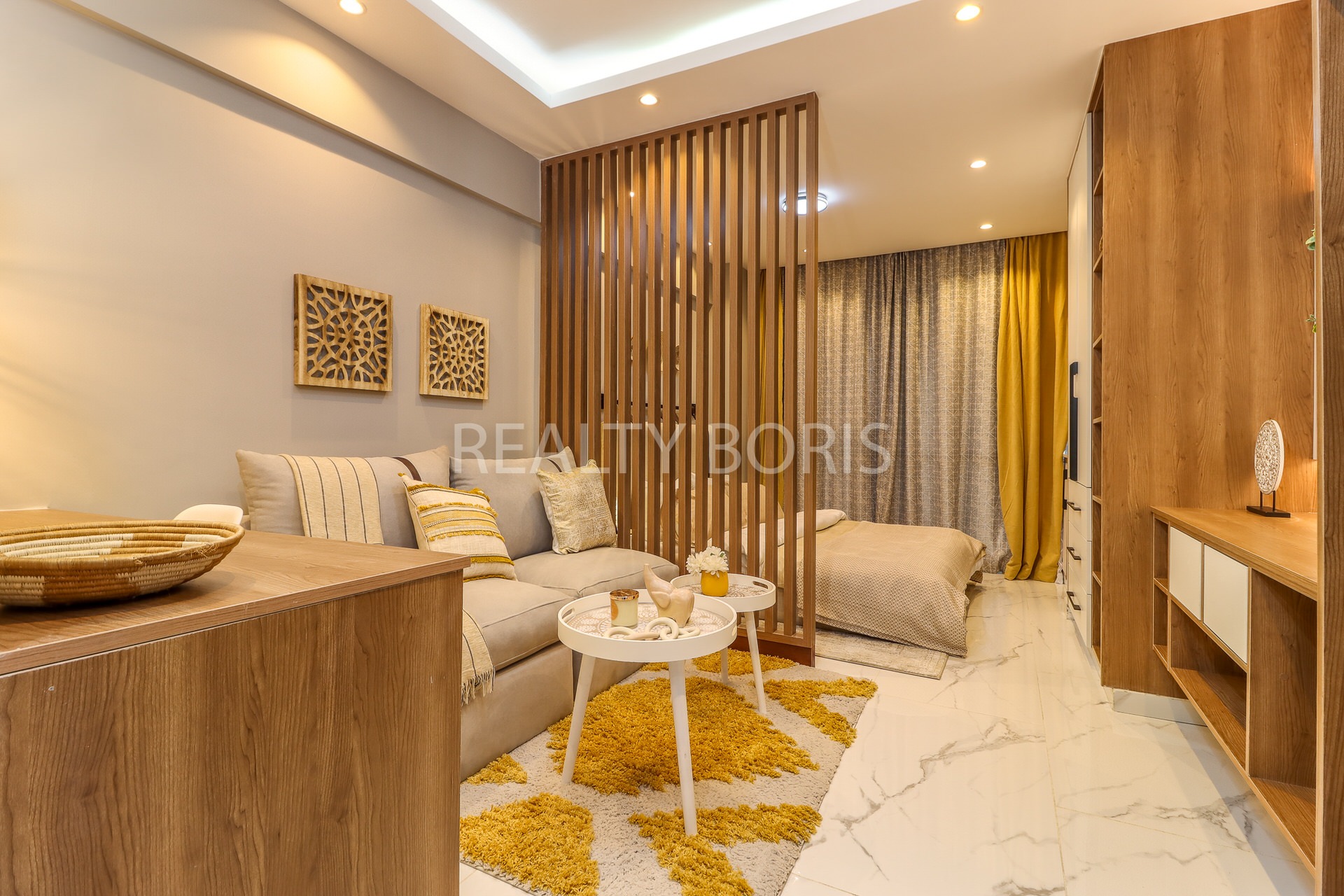
Gone are the days of cold, monochromatic interiors. The new luxury is organic warmth. Designers are leaning into earthy palettes — terracotta, beige, olive, and stone-gray — to create tranquil yet upscale atmospheres.
Natural textures like linen, bamboo, terrazzo, and rough-cut stone dominate the modern luxury palette, giving apartments a grounded, timeless aesthetic that connects residents to nature.
These design choices not only feel cozy but also photograph beautifully — an underrated advantage in Nairobi’s highly visual property marketing landscape.
4. Open-Concept Spaces for Modern Lifestyles
Open-plan living continues to reign supreme in Nairobi’s luxury market. With shrinking land parcels and higher construction costs, open layouts maximize usable space while fostering connection and light.
Interior designers now experiment with zoning techniques — using furniture placement, textured rugs, and lighting layers to create distinct functional zones without building walls.
For families and professionals alike, the open concept brings fluidity, freedom, and elegance. It’s a must-have in upmarket developments where lifestyle flexibility is non-negotiable.
5. Biophilic Design and Green Interiors
Biophilic design — integrating nature into indoor environments — is one of the most transformative design movements in Nairobi’s high-end apartments.
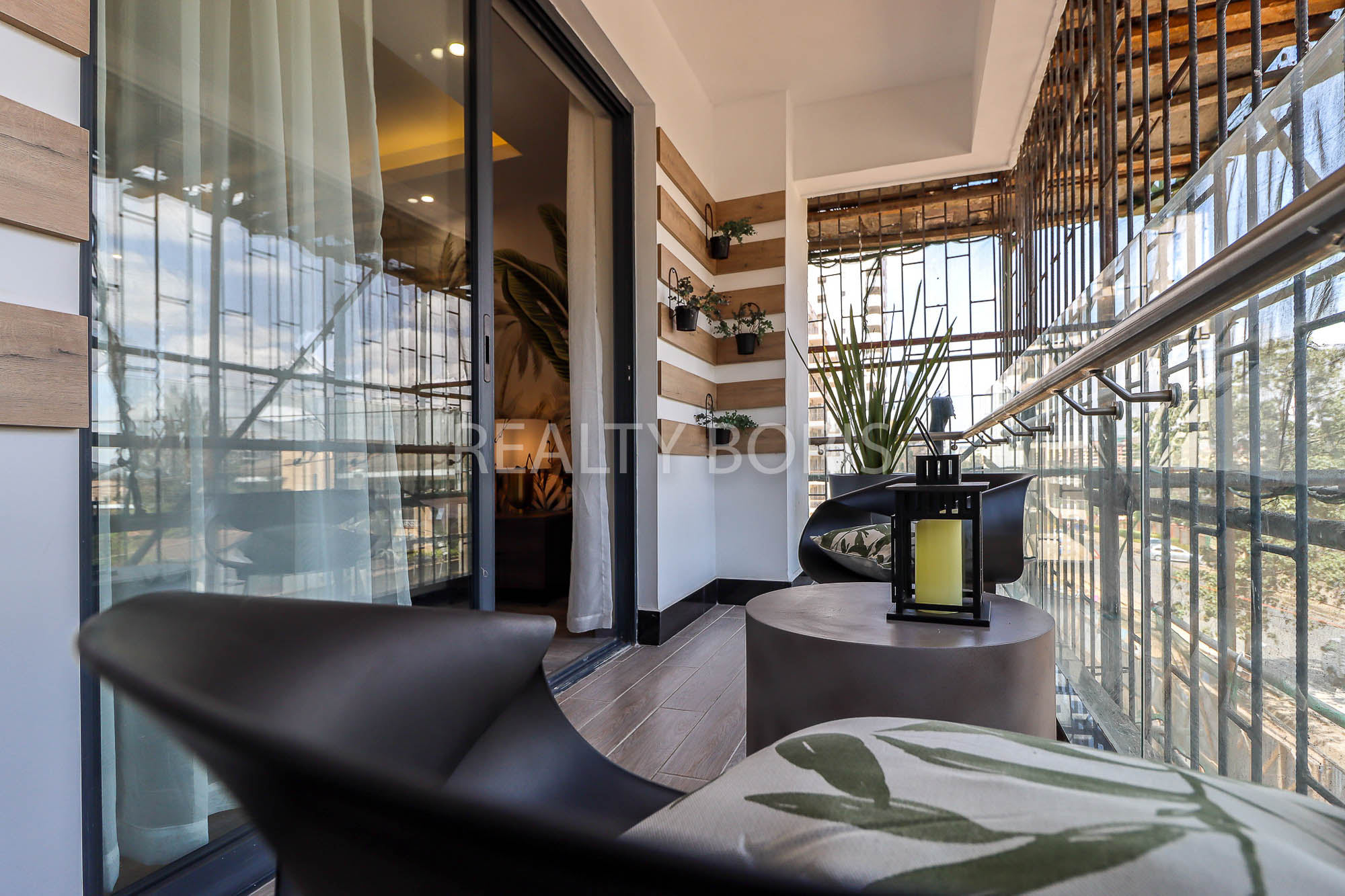
Indoor gardens, living walls, and large glass panels invite natural light and greenery into homes, fostering mental well-being and sustainability. Potted plants like snake plants, fiddle-leaf figs, and palms are strategically placed to purify air and soften interiors.
This approach aligns perfectly with Nairobi’s climate and eco-conscious buyers. Developers adopting biophilic design gain a competitive edge as tenants increasingly value health, sustainability, and serenity.
Explore NEMA Kenya’s sustainability guidelines for green housing frameworks.
6. Bold Statement Pieces and Local Craftsmanship
Luxury design in Nairobi now embraces personality. Instead of uniform furniture sets, designers are curating statement pieces — sculptural coffee tables, locally crafted chandeliers, or art installations from Kenyan creatives.
This trend celebrates the intersection of modern elegance and cultural authenticity. It gives each luxury apartment its unique identity while supporting the local design economy.
Buyers in Nairobi’s prime estates — especially the diaspora market — are drawn to this blend of global luxury and African originality. It’s what gives homes emotional warmth beyond just visual appeal.
7. Multifunctional and Flexible Interiors
As remote work and hybrid living persist, multifunctional interiors are now a design essential. Developers and designers are creating convertible spaces — dining areas that double as work zones, and guest rooms that can morph into studios or libraries.
Furniture innovations like foldaway desks, modular seating, and movable partitions make small spaces feel grand and dynamic.
This design adaptability fits Nairobi’s evolving professional class — people who want high utility without sacrificing aesthetics. For investors, such flexibility translates into better rental appeal and long-term occupancy.
Conclusion: Designing the Future of Nairobi’s Luxury Living
Nairobi’s luxury interior design scene is undergoing a quiet revolution — one that combines technology, sustainability, and cultural sophistication.
From minimalist elegance to green integration, these trends show a shift toward elevated living experiences that connect global design principles with Nairobi’s vibrant identity.
For investors, homeowners, and developers, keeping up with these interior design trends isn’t just about style — it’s about staying relevant in Kenya’s most competitive property segment.
What to do:
Looking to elevate your space with modern design that matches Nairobi’s luxury standard? Talk to our property experts at Realty Boris and discover apartments that blend sophistication with functionality.
One Response
Just wanna state that this is invaluable, Thanks for taking your time to write this.