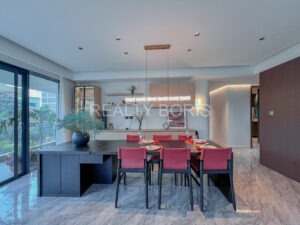
Why some Airbnbs make money while others struggle to achieve consistent bookings is one of the most important questions anyone considering a short-term rental investment should ask.
At first glance, Airbnb investing can look straightforward. Buy an attractive apartment, furnish it well, take good photographs, list it online and start receiving bookings.
In reality, it is considerably more complicated.
Two investors can own nearly identical apartments in the same building in Nairobi. One may enjoy regular bookings, positive reviews and healthy monthly revenue, while the other repeatedly lowers prices just to secure a few reservations.
The difference is not always the property itself.
Successful short-term rentals usually combine the right location, acquisition price, target market, pricing strategy, presentation, guest experience and property management.
Airbnb itself explains that factors such as price, location, calendar availability, images, reviews, ratings, popularity and the overall guest experience can influence how listings perform in search results. Read Airbnb’s explanation of how listing search results work
This means investors must stop looking at Airbnb simply as a furnished apartment and start evaluating it as a business.
Here are nine major reasons why some Airbnbs make money while others don’t.
1. Why Some Airbnbs Make Money Starts With Choosing the Right Location
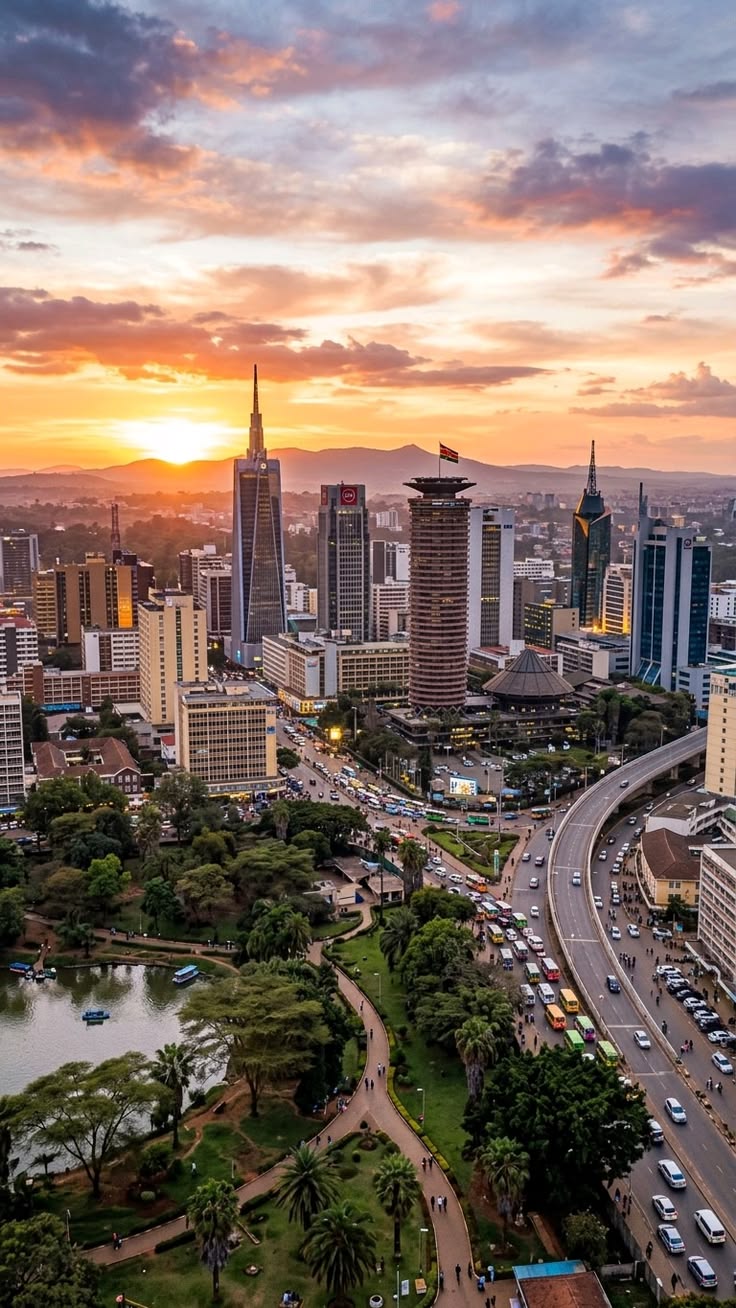
Location remains one of the strongest factors influencing short-term rental performance.
However, there is an important distinction between a prestigious neighbourhood and a good Airbnb location.
A property does not automatically become a profitable Airbnb simply because it is in an expensive area.
The more important question is:
Why would a guest choose to stay in this particular location?
Short-term rental demand is usually created by a reason for travelling.
Guests may be visiting Nairobi for:
- Business meetings
- Conferences
- Holidays
- Medical treatment
- Family visits
- Diplomatic assignments
- Relocation
- Remote work
- Events
- Education
- Extended corporate assignments
A property located close to the places those guests need to access may therefore have a competitive advantage.
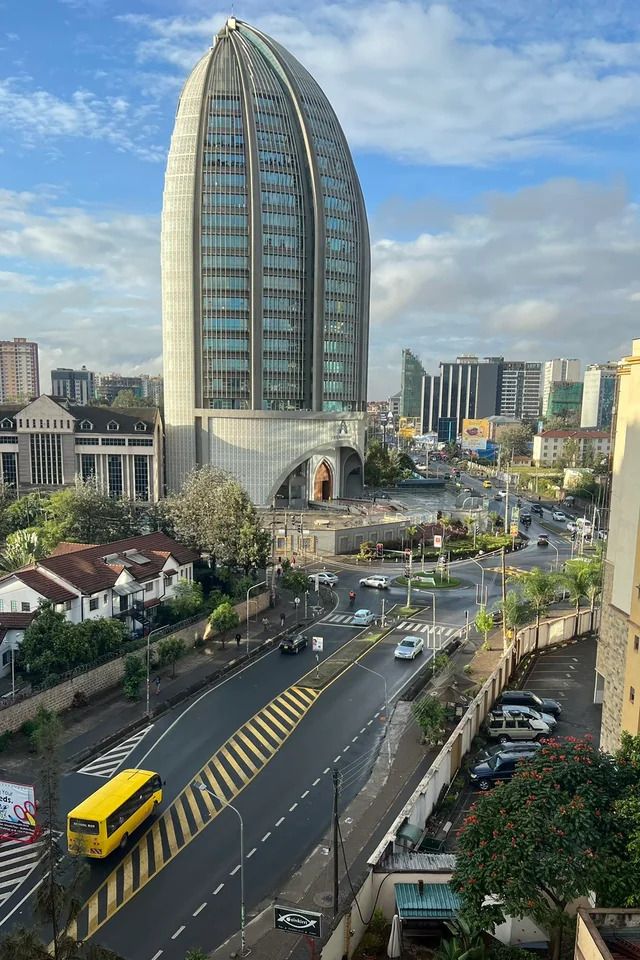
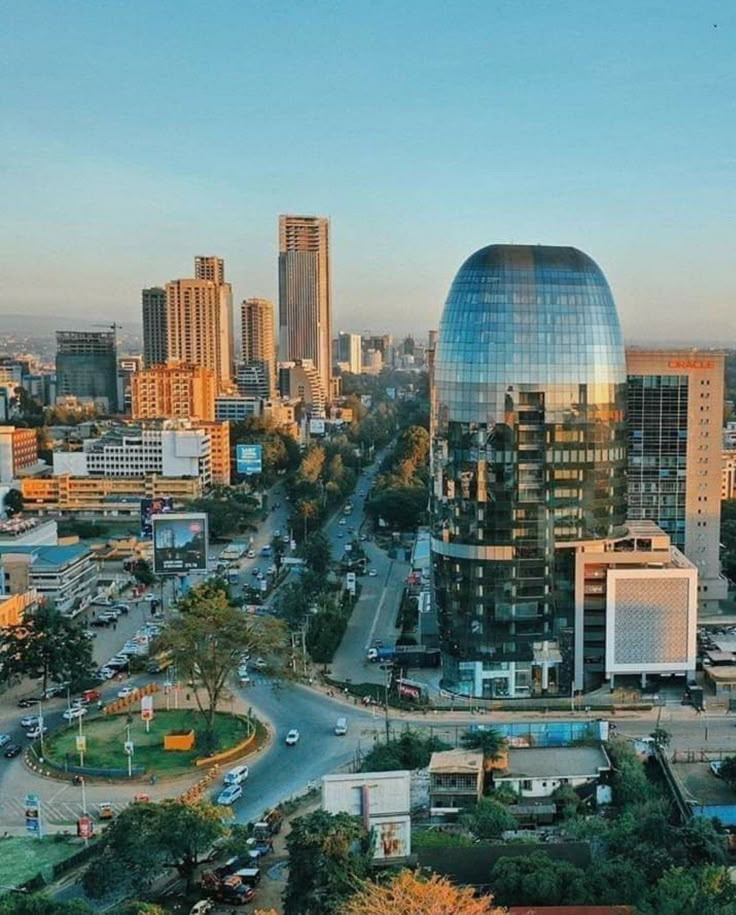
In Nairobi, areas such as Westlands, Kilimani, Kileleshwa, Lavington, Riverside and Karen can appeal to different traveller profiles.
For example, Westlands may appeal strongly to business travellers and visitors interested in restaurants, shopping and entertainment. Kilimani can attract guests who value proximity to commercial areas and amenities. Riverside can appeal to executives and longer-stay corporate guests looking for quieter premium accommodation.
The mistake is buying a property merely because someone says:
“Airbnbs do well here.”
That statement is not enough.
Investigate:
- Who visits the neighbourhood?
- What brings them there?
- How long do they normally stay?
- What type of apartment do they book?
- What are competing units charging?
- Are there hundreds of similar listings?
- Is demand growing at the same pace as supply?
Airbnb allows travellers to search by destinations, neighbourhoods, landmarks and points of interest, reinforcing the importance of where a property sits relative to the guest’s reason for travelling. See Airbnb’s official guidance on how guests search for accommodation
Ultimately, why some Airbnbs make money often starts before the apartment is even purchased.
The investor selected the right market first.
2. Profitable Airbnbs Know Exactly Who Their Guest Is
Another mistake investors make is attempting to create an Airbnb that appeals to everyone.
An Airbnb for everyone can easily become an Airbnb specifically designed for no one.
Successful properties tend to have a clearer target customer.
Ask:
Who is most likely to book this property?
That could be:
- Business executives
- Couples
- Families
- Tourists
- Consultants
- Diaspora visitors
- Digital nomads
- Medical travellers
- Long-stay professionals
- Corporate teams
Your ideal guest should influence almost every major decision.
Consider a business traveller.
They may care about:
- Reliable high-speed Wi-Fi
- A comfortable workstation
- Easy check-in
- Reliable electricity
- Security
- Proximity to offices
- Convenient transport
- Quiet surroundings
A family staying for several weeks may prioritise:
- Multiple bedrooms
- A fully equipped kitchen
- Washing machine
- Parking
- Security
- Storage
- Child-friendly spaces
- Access to supermarkets
Meanwhile, tourists may place more value on design, views, proximity to restaurants, nightlife and memorable experiences.
That is one reason why some Airbnbs make money more consistently than others. Their owners are not furnishing based entirely on personal preferences.
They are building a product for a particular customer.
3. Buying at the Wrong Price Can Make a Good Airbnb a Bad Investment
An Airbnb can perform well operationally but still produce a poor investment return.
This happens when the property was purchased at the wrong price.
Suppose two furnished apartments each generate KSh 200,000 in average monthly gross booking revenue.
One investor purchased their apartment for KSh 12 million.
Another paid KSh 24 million.
Both may appear to be running successful Airbnbs.
However, their returns on the capital invested are significantly different.
This is why gross Airbnb income should never be analysed in isolation.
Before purchasing, calculate the likely cost of:
- Property acquisition
- Legal fees
- Furnishing
- Appliances
- Interior design
- Service charge
- Electricity
- Water
- Internet
- Cleaning
- Laundry
- Toiletries
- Platform charges
- Property management
- Repairs
- Furniture replacement
- Insurance where applicable
- Taxes
- Vacancy
An apartment generating KSh 250,000 monthly revenue can look extremely attractive until KSh 120,000 or more disappears through expenses, financing and operational costs.
Investors should therefore calculate potential net income, not merely projected Airbnb revenue.
The key question is not:
“How much can this apartment make per night?”
It is:
“What return will I actually make on the money invested after realistic expenses and vacancy?”
This distinction explains a significant part of why some Airbnbs make money and others don’t.
4. Pricing Strategy Can Be More Important Than the Highest Nightly Rate
Many first-time Airbnb owners assume that charging more means earning more.
Not necessarily.
Imagine two comparable apartments.
Property A charges KSh 12,000 per night and achieves six booked nights during the month.
Its gross accommodation revenue would be:
KSh 72,000
Property B charges KSh 8,500 but achieves 22 booked nights.
Its gross revenue would be:
KSh 187,000
Property B charges considerably less per night yet makes substantially more money.
This demonstrates why Airbnb investors need to understand the relationship between price and occupancy.
Pricing should account for:
- Local demand
- Competing properties
- Weekdays
- Weekends
- Holidays
- Conferences
- Events
- Tourism seasons
- Booking lead times
- Last-minute demand
- Length of stay
- Current occupancy
Airbnb provides hosts with pricing and calendar tools because demand can change considerably depending on timing and local conditions. Its Host Resource Center includes dedicated guidance on pricing properties competitively and adjusting rates over time. Explore Airbnb’s official hosting and pricing resources
If there is a major conference in Nairobi and accommodation demand increases, higher rates may be justified.
If demand falls significantly the following week, insisting on the same rate could leave the unit vacant.
A vacant apartment earning KSh 15,000 per night earns nothing.
The objective is therefore not to achieve the highest advertised nightly price.
It is to optimise the combination of occupancy, average nightly rate and operating margin.
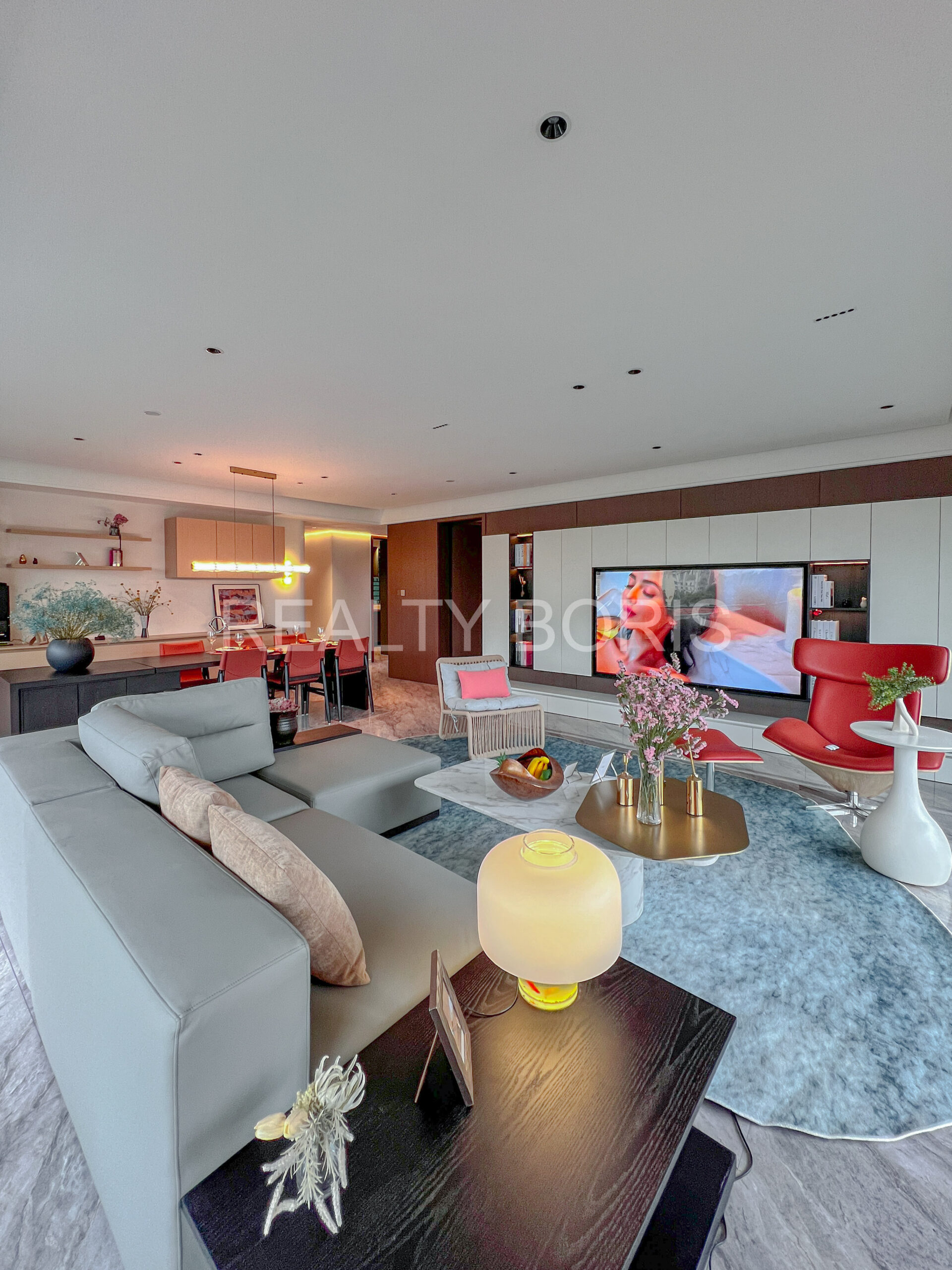
5. Your Photos Determine Whether Guests Even Consider Your Property
You can have the best apartment in the neighbourhood.
But if potential guests scroll past your listing, its quality hardly matters.
Airbnb is an extremely visual marketplace.
Guests frequently compare multiple similar listings before deciding where to stay.
Your first photograph therefore has an important job:
It must make someone stop scrolling.
Weak images can make an expensive property look ordinary.
Strong images can communicate:
- Space
- Comfort
- Views
- Natural light
- Interior design
- Cleanliness
- Lifestyle
- Amenities
Your photographs should clearly present the important areas of the property, including:
- Living room
- Bedrooms
- Bathrooms
- Kitchen
- Balcony
- Dining space
- Workspace
- Views
- Building exterior
- Swimming pool
- Gym
- Parking where relevant
Do not hide weaknesses using misleading angles.
Guests eventually arrive.
If the actual property looks considerably different from the photographs, the result may be poor reviews and complaints.
Airbnb identifies the number and quality of images among the listing characteristics that can influence how properties appear in search results. Read Airbnb’s official search-ranking information
Photography therefore isn’t simply decoration.
For a short-term rental business, photography is part of the sales process.
6. Reviews Help Explain Why Some Airbnbs Make Money Consistently
Reviews are one of the strongest forms of social proof in short-term accommodation.
Imagine two apartments.
Both cost approximately the same.
Both are in the same neighbourhood.
Both appear attractive.
One has 92 reviews averaging 4.9 stars.
The other has three reviews.
Which property is likely to feel safer to a first-time guest?
In many cases, the established listing has an advantage.
Strong reviews reduce uncertainty.
Guests have evidence that other people stayed at the property and had a positive experience.
Airbnb’s Guest Favorites system highlights properties based partly on ratings, reviews and reliability. The platform says factors considered include cleanliness, accuracy, check-in, communication, location and value. Read Airbnb’s official explanation of Guest Favorites
This is important because reviews can create a powerful cycle:
Good experience → Positive review → Greater trust → More bookings → More reviews.
However, the opposite can also happen.
Repeated complaints involving:
- Dirty bedding
- Poor communication
- Broken appliances
- Misleading photographs
- Wi-Fi problems
- Difficult check-in
- Security issues
- Maintenance failures
can gradually weaken the listing.
This is one significant reason why some Airbnbs make money month after month while others struggle despite being located in the same building.
The successful host is protecting the guest experience.
7. The Right Amenities Matter More Than Expensive Amenities
Spending more does not automatically improve an Airbnb.
Spending intelligently does.
There is little point installing expensive decorative features if guests repeatedly complain about slow Wi-Fi or an uncomfortable mattress.
The amenities that matter depend on the target customer.
For many urban Airbnb properties, important amenities can include:
- Reliable Wi-Fi
- Comfortable mattress
- Quality bedding
- Hot water
- Smart television
- Equipped kitchen
- Washing machine
- Secure parking
- Workspace
- Easy check-in
- Reliable electricity
- Security
- Iron and ironing board
- Adequate storage
Premium developments may additionally offer:
- Swimming pools
- Gyms
- Rooftop terraces
- Residents’ lounges
- Children’s play areas
- Concierge services
But do not assume more amenities automatically mean more profit.
If the amenities significantly increase the property’s purchase price or monthly service charge but guests are unwilling to pay higher rates for them, the investment economics may worsen.
The investor should ask:
Will guests actually pay more or book more often because this feature exists?
If the answer is no, it may not materially improve the investment.
8. Good Airbnb Management Is Often the Difference Between Profit and Frustration
Owning a short-term rental is not passive simply because bookings happen online.
Someone still needs to operate the property.
That includes:
- Responding to enquiries
- Confirming reservations
- Coordinating arrivals
- Managing check-in
- Organising cleaning
- Managing linen
- Replenishing supplies
- Inspecting the unit
- Fixing maintenance problems
- Updating prices
- Managing the calendar
- Responding to guest complaints
- Following up after check-out
Imagine arriving in Nairobi at 11:30 p.m. after a long flight.
You reach your Airbnb.
The access code doesn’t work.
You message the host.
There is no response.
Even if the apartment itself is excellent, your experience has already been damaged.
Airbnb’s own documentation identifies factors such as customer service, cancellation history and ease of booking among the elements considered in its search and recommendation systems. See Airbnb’s official search criteria
This illustrates something investors frequently underestimate:
The apartment is the asset. Management is the business.
Poor management can destroy the performance of a good asset.
Excellent management can extract more value from a well-selected property.
That is another major reason why some Airbnbs make money while others don’t.
9. Profitable Hosts Track the Numbers Instead of Guessing
One of the biggest differences between serious Airbnb investors and casual hosts is measurement.
You need to know how the property is performing.
Not how busy it feels.
Not how many WhatsApp enquiries you receive.
Not how much money entered the account this week.
Actual performance.
Important metrics include:
Occupancy Rate
Occupancy tells you what percentage of available nights were booked.
If your property was available for 30 nights and occupied for 21:
Occupancy rate = 70%
A high occupancy rate is useful, but it should not be considered alone.
An apartment could achieve 95% occupancy because it is dramatically underpriced.
Average Daily Rate
This tells you the average revenue generated for each booked night.
Tracking it helps determine whether your pricing strategy is improving or declining.
Gross Revenue
This is total booking income before operating expenses.
It is useful but should never be confused with profit.
Operating Costs
Track every meaningful expense.
These can include:
- Cleaning
- Electricity
- Water
- Internet
- Service charge
- Repairs
- Management
- Linen
- Toiletries
- Furniture replacement
- Platform-related costs
Net Income
This is much closer to the number investors should care about.
How much remains after operating expenses?
A property producing KSh 250,000 in monthly gross bookings but consuming KSh 170,000 in costs is fundamentally different from one producing the same revenue with KSh 80,000 in costs.
The revenue is identical.
The profitability isn’t.
Why Some Airbnbs Make Money in the Same Building While Others Don’t
This is perhaps the clearest demonstration of how short-term rental investing actually works.
Imagine two identical one-bedroom apartments in the same development.
They have:
- The same floor plan
- The same location
- Similar views
- The same building amenities
- Similar service charge
Yet Apartment A consistently outperforms Apartment B.
How?
Apartment A may have:
- Better photography
- Better reviews
- Faster communication
- Better furniture
- More competitive pricing
- Better cleanliness
- More flexible availability
- Better check-in
- Stronger listing copy
- Fewer cancellations
- Better guest service
This demonstrates why simply asking:
“Does Airbnb work in this building?”
isn’t enough.
A better question is:
“What separates the strongest-performing listings in this building from everyone else?”
Airbnb confirms that search ranking can consider listing quality, location, pricing, calendar availability, imagery, reviews, guest engagement and popularity. Read how Airbnb evaluates search results
The building creates the opportunity.
The operator determines how effectively that opportunity is converted into revenue.
Airbnb Competition Can Destroy a Weak Investment Strategy

An area can have excellent Airbnb demand and still be a risky investment if supply grows too quickly.
This happens when investors see successful Airbnb properties and rush to copy them.
Imagine an area originally has 100 high-quality short-term rentals.
Demand supports those properties comfortably.
Developers then deliver several new apartment projects, and hundreds of additional investors list units on Airbnb.
Demand may still be growing.
But supply could grow faster.
Now properties compete through:
- Lower prices
- Discounts
- Better furnishings
- Additional amenities
- Free extras
- Aggressive marketing
This reduces margins.
Before buying, investors should therefore evaluate not only present demand but also future competition.
Look at developments under construction nearby.
If thousands of similar studios and one-bedroom apartments are entering the market, ask who will occupy them.
Not Every Property Should Become an Airbnb
This may be the most important point in the entire discussion.
Airbnb is a strategy.
It is not automatically the best strategy.
Some properties may perform better as:
- Long-term rentals
- Furnished monthly rentals
- Corporate accommodation
- Medium-term rentals
- Owner-occupied homes
- Hybrid rental models
A traditional tenant may produce lower headline monthly revenue but offer:
- Stable occupancy
- Fewer cleaning costs
- Fewer turnovers
- Less management
- Predictable cash flow
An Airbnb may produce higher gross revenue but also require substantially more active management and operating expenditure.
The correct comparison is therefore:
Net Airbnb return versus net long-term rental return.
Not:
Airbnb nightly rate versus monthly rent.
For example, KSh 250,000 in monthly Airbnb bookings may initially appear far superior to KSh 120,000 monthly rent.
But after accounting for utilities, cleaning, management, vacancies, supplies, maintenance and other expenses, the difference could narrow considerably.
Always compare like with like.
Check Whether the Building Actually Allows Short-Term Rentals
Another factor investors sometimes overlook is building policy.
Before buying an apartment specifically for Airbnb, establish whether short-term accommodation is permitted.
Some developments welcome it.
Others restrict it.
Others may change their management rules as complaints from residents increase.
Check:
- Management company policies
- Owners’ association rules
- Lease or title conditions
- Security procedures
- Guest access rules
- Minimum stay requirements where applicable
Never purchase an apartment solely for Airbnb based on a salesperson saying:
“Airbnb is allowed.”
Get clarity on the relevant documentation and current building rules.
Understand Tax and Regulatory Obligations
Airbnb income is still income.
Investors need to understand the taxation and regulatory treatment applicable to their particular accommodation business.
The Kenya Revenue Authority publishes official information covering taxation of rental income and other income-tax obligations. Because the treatment can depend on the nature of the income, ownership structure and circumstances, owners should establish which rules apply to their specific operation. Read KRA’s official residential rental income guidance
KRA also provides broader guidance on tax obligations for individuals and businesses operating in Kenya. Review KRA’s official tax-obligation guidance
Where necessary, speak to a qualified tax adviser rather than relying on assumptions from social media or other Airbnb operators.
Rules can change, and the circumstances of two property owners may differ.
Calculate the Investment Before You Buy
If you’re considering buying a short-term rental property, run realistic scenarios before committing.
Create at least three:
Conservative Scenario
Assume:
- Lower occupancy
- Moderate nightly rate
- Higher expenses
If the property still produces an acceptable return, that is encouraging.
Expected Scenario
Use reasonable market assumptions based on competing listings and realistic demand.
Optimistic Scenario
Model what happens if occupancy and pricing perform exceptionally well.
Never build your investment decision entirely around the optimistic case.
Also test what happens if:
- Occupancy falls 20%
- Competition increases
- Service charges increase
- Management costs rise
- Nightly rates fall
- The building restricts short stays
A robust investment should not collapse simply because market conditions become less favourable.
So, Why Do Some Airbnbs Make Money?
Ultimately, why some Airbnbs make money has less to do with simply owning a beautiful apartment and more to do with building a properly structured short-term rental business.
Successful Airbnbs typically combine:
- The right location
- A clearly defined target guest
- A sensible purchase price
- Competitive pricing
- Professional presentation
- Strong guest reviews
- Useful amenities
- Effective management
- Consistent financial tracking
The investors who struggle sometimes start with this assumption:
“If I buy a beautiful apartment and furnish it, people will book.”
That isn’t enough.
Before purchasing, ask:
Who will stay here?
Why will they choose this location?
How much can they realistically pay?
What occupancy can I realistically expect?
How much competition is entering the market?
What will the property cost to operate?
What will actually remain as profit?
Those questions explain far more about Airbnb profitability than an attractive living room or ambitious projected nightly rate.
Looking for an Airbnb Investment Property in Nairobi?
Understanding why some Airbnbs make money should influence the property you buy before you ever think about furniture, photography or listing the unit online.
Location, acquisition price, rental demand, competition, building rules, target guest and expected operating costs should all be evaluated before purchasing.
At Realty Boris, we help property buyers evaluate real estate opportunities across Nairobi based on their investment objectives — whether the strategy involves short-term accommodation, traditional rental income, capital appreciation or a combination of approaches.
If you are considering purchasing an investment property in Westlands, Kilimani, Kileleshwa, Lavington, Riverside or other prime Nairobi neighbourhoods, speak to the Realty Boris team before making your decision.
Don’t simply ask whether an apartment can become an Airbnb.
Ask whether it has the fundamentals to become a profitable one.
Considering an Airbnb or Investment Apartment in Nairobi?
Contact Realty Boris to explore carefully selected investment developments across Westlands, Kilimani, Kileleshwa, Riverside, Lavington and Nairobi’s other premium locations—and assess location, rental demand, competition, building rules, projected returns and overall investment suitability before committing to a purchase.