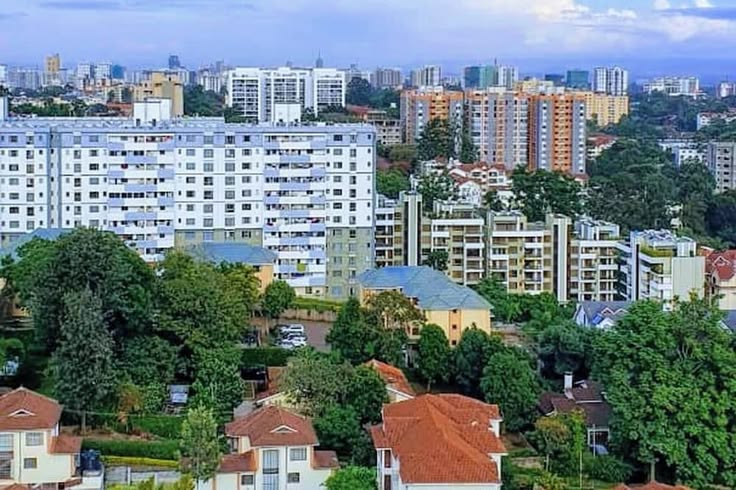

Kilimani has solidified its status as one of Nairobi’s premier upmarket suburbs in 2026, offering a compelling mix of leafy residential appeal, urban convenience, and strong investment potential. Centrally located near Yaya Centre, international schools, hospitals, co-working spaces, and major thoroughfares like Ngong Road and Argwings Kodhek Road, Kilimani attracts young professionals, expatriates, corporate executives, and growing families. Property prices here—typically KES 20–45 million for modern 2–4 bedroom apartments or townhouses (with averages around KES 13–15 million for mid-range units per recent market snapshots)—reflect a nuanced balance of upward pressures and moderating forces.
Recent data (covering late 2025 trends) indicate flat to modest price performance in Kilimani: year-on-year appreciation often near 0–3% in some periods, with gross rental yields stable at 7–8.5% (higher for furnished/short-term lets) but compressed by competition. While the broader Nairobi residential market shows resilience (e.g., overall price rises of 7–8% in some indices), Kilimani’s dynamics highlight how supply-demand interplay, infrastructure, and macro factors shape values in this competitive upper-middle/high-end segment.
For Nairobi’s affluent buyers and investors—those targeting premium gated developments, serviced apartments, or townhouses—this guide provides a thorough breakdown of the factors influencing property prices in Kilimani in 2026, blending positive accelerators with risks and mitigation strategies.
1. Strategic Location and Connectivity
Kilimani’s prime positioning—minutes from the CBD, Westlands business district, and key transport links—remains the dominant price driver. Easy access to employment hubs, shopping, and leisure boosts desirability.
- Price Impact: Units near main roads, expressway ramps, or with quick commutes command 10–25% premiums.
- 2026 Update: Ongoing upgrades (e.g., Ngong Road improvements, expressway extensions) enhance accessibility, supporting sustained value despite traffic challenges.
2. Strong Demand from Expatriates, Professionals, and Families
Consistent inflow of young professionals (tech/finance), expats, and upper-middle-class families creates robust buyer/renter pools.
- Demand Drivers: High occupancy (~85–92% in quality gated units), short-term furnished rentals (Airbnb uplift 20–40%), and family appeal (schools like Hillcrest nearby).
- Effect on Prices: Steady demand counters some softening; expat/corporate leasing sustains rents and values.
3. Infrastructure and Urban Development Projects

Major projects—expressways, drainage improvements, and nearby mixed-use nodes—improve livability and accessibility.
- Boost: Infrastructure can add 5–15% to prices in well-connected pockets.
- Kilimani Context: Better roads/utilities attract premium buyers; proximity to Yaya Centre and malls reinforces convenience premiums.
4. Quality of Amenities and Lifestyle Offerings
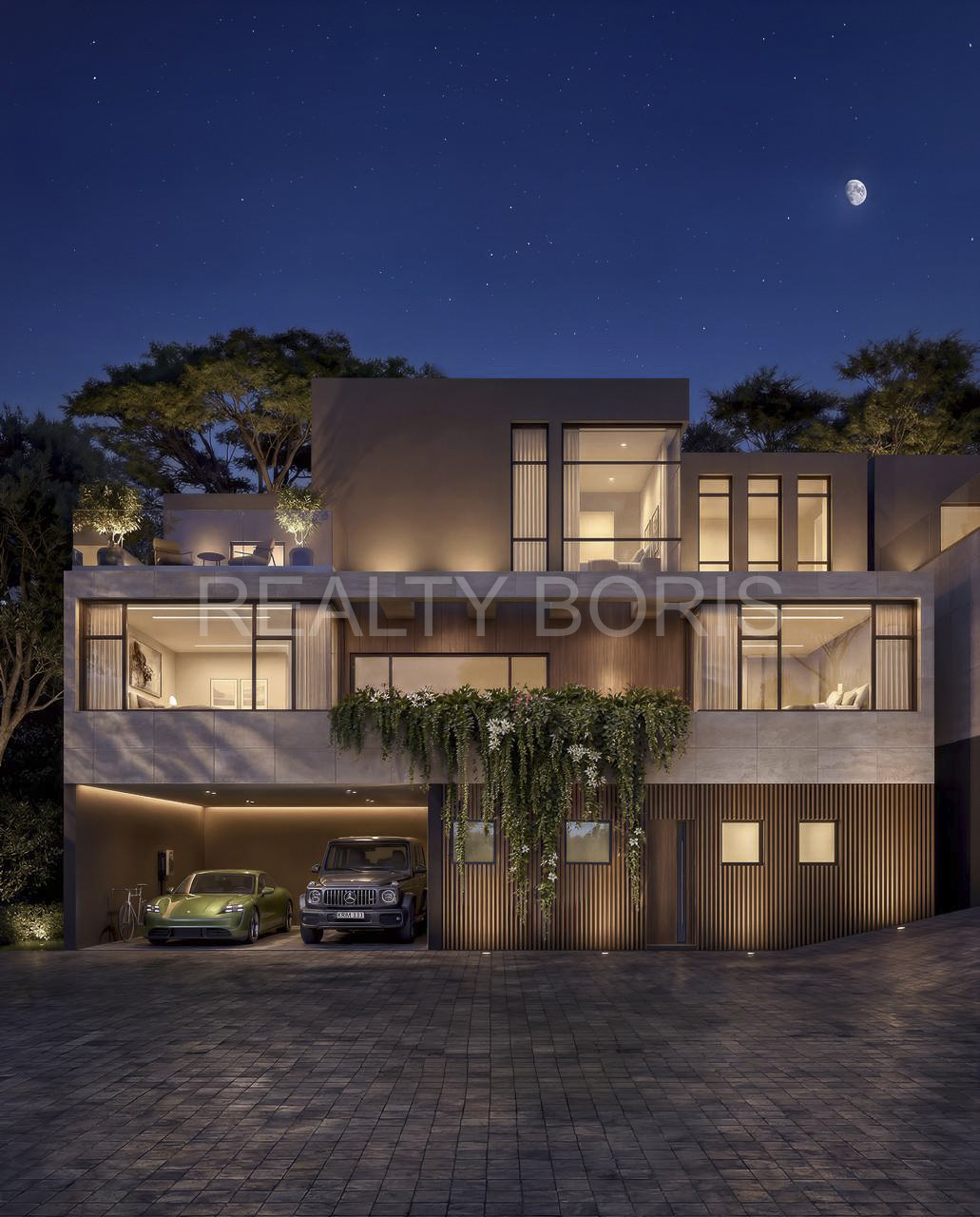
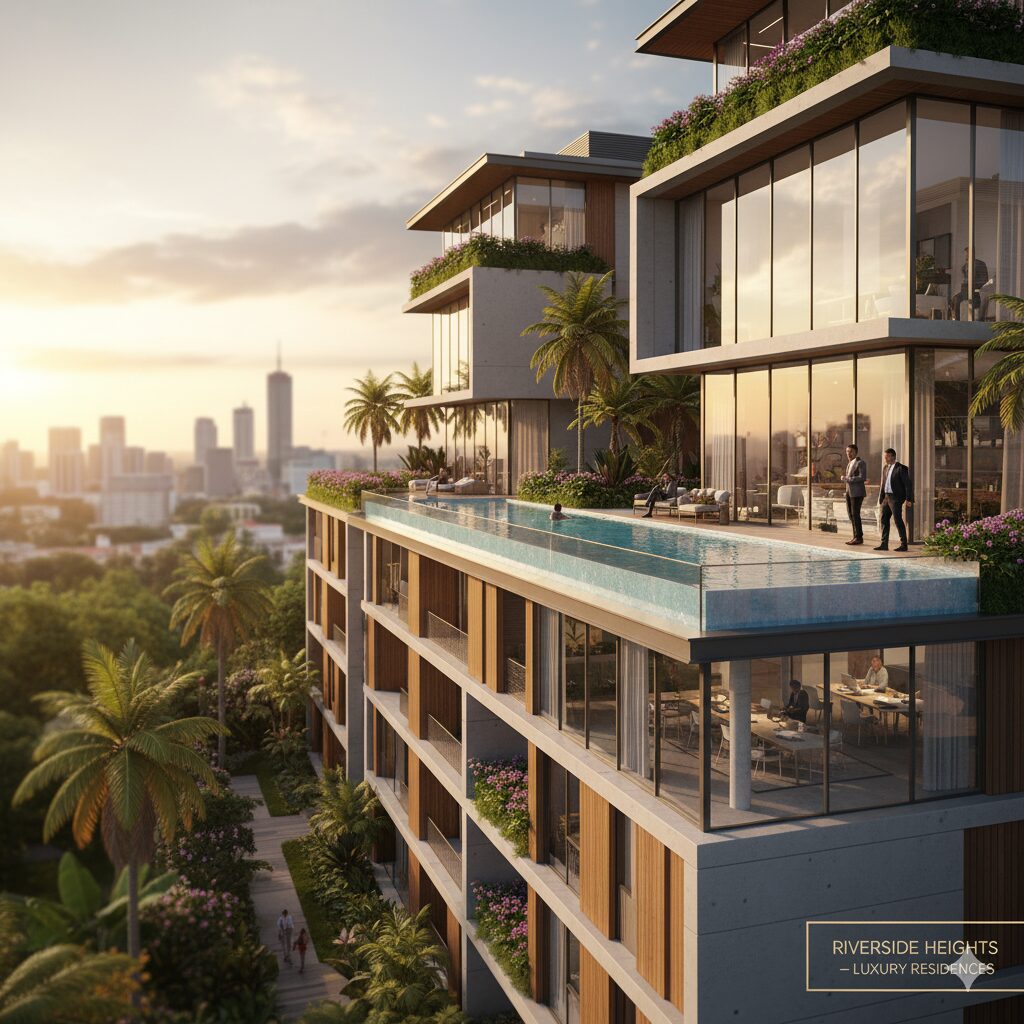
Modern developments with pools, gyms, concierge, backup generators, high-speed fiber, smart security, and ESG features (solar, green spaces) differentiate and elevate prices.
- Premium Uplift: Amenity-rich units sell/rent 10–30% higher and faster.
- Trend: Rising demand for sustainable/smart homes in 2026 pushes values in newer or retrofitted projects.
5. Oversupply and Market Competition
Significant apartment construction in recent years has created moderate oversupply in mid-to-high segments.
- Downward Pressure: Yield compression, slower appreciation (e.g., 0% YoY in some Cytonn periods), and competition from Riverside, Westlands, Kileleshwa, and satellite towns soften prices.
- Mitigation: Buyers favor unique/differentiated properties (views, superior finishes, low-density) that hold or gain value.
6. Macroeconomic Conditions and Interest Rates
Kenya’s ~5% GDP growth, stabilizing inflation (~5%), and CBK policy rates (easing toward 9–10%) influence affordability.
- Positive: Lower borrowing costs support mortgage demand and buyer activity.
- Challenges: Prior high rates (14–16%) slowed transactions; cash buyers dominate, favoring stable or discounted pricing.
7. Population Growth, Urbanization, and Demographic Shifts
Rapid urbanization (~4% annually) and Nairobi’s population increase drive long-term housing need.
- Supportive Factor: Sustained demand for convenient, modern units in Kilimani offsets supply pressures over time.
8. Security Perception and Community Quality
Gated estates, private security, and low-density feel enhance perceived safety.
- Benefit: Attracts premium buyers/tenants willing to pay more for peace of mind.
9. Developer Reputation, Project Quality, and Timing
Properties from established developers (timely delivery, superior finishes) command higher prices.
- Influence: Strong reputations reduce perceived risk, supporting premiums in a competitive market.
10. Investor Sentiment and External Trends
Diaspora interest, economic recovery signals, and shifts toward sustainable/hybrid living influence sentiment.
- Outlook: Positive macro trends in 2026 favor gradual firmness; selective investment in quality units yields best results.
11. Rental Yield and Investment Returns
Strong rental demand (especially furnished) supports prices via investor appeal.
- Yield Context: 7–8.5% gross (higher short-term) justifies values despite appreciation moderation.
12. Regulatory and Policy Environment
Government policies (e.g., stamp duty, land laws) and zoning affect development pace and costs.
- Indirect Impact: Stable regulations support market confidence; changes could influence supply.
The factors influencing property prices in Kilimani in 2026 create a mature, balanced market—strong fundamentals (location, demand, amenities) offset by supply dynamics and macro caution. For upmarket investors, prioritize differentiated, amenity-rich developments in prime pockets for resilience and potential upside.
Call to Action: Ready to turn insights into action in Nairobi’s premium real estate market? Visit Realty Boris offices today for a private, in-depth discussion with our expert team. We’ll provide personalized strategies tailored to your goals—whether analyzing factors influencing property prices in Kilimani or securing high-value opportunities in upmarket suburbs. Contact us to schedule your visit and take the next step toward building your elite portfolio.