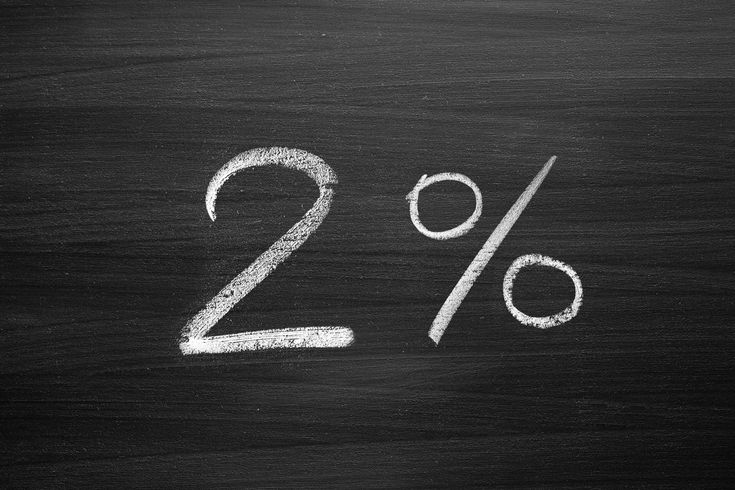

The 2% rule is a very simple real-estate screening shortcut that became popular in the United States in the 2010s:
Monthly rent should be at least 2 % of the total purchase price (including purchase costs).
Examples:
- House costs Ksh 10,000,000 → minimum monthly rent = Ksh 200,000
- Apartment costs Ksh 15,000,000 → minimum monthly rent = Ksh 300,000
The idea is that if a property meets or beats the 2 % threshold, it is very likely to produce strong cash flow after expenses, vacancies, and management fees.
But does this rule still hold any value in Kenya — especially in Nairobi — in 2026? The short answer: It depends heavily on the price segment and location.
Let’s break it down step-by-step with current Nairobi numbers (mid-2025 → early 2026 data).
1. How the 2% Rule Was Originally Intended to Work
The rule was created in markets with:
- Relatively low purchase prices compared to rents
- High rental yields (often 8–12 % gross)
- Cheap financing (mortgage rates 3–6 %)
- High cash-on-cash returns possible even with leverage
In those conditions, hitting 2 % usually meant:
- Gross yield ≥ 24 %
- Cash-on-cash return of 10–20 % after expenses
That world no longer exists in most major cities — and Nairobi is no exception.
2. Current Nairobi Reality – 2026 Rental Yields by Segment
| Property Type / Location | Typical Purchase Price (2026) | Typical Monthly Rent (furnished) | Gross Yield | Meets 2% Rule? |
|---|---|---|---|---|
| 3-bed apartment – Kilimani / Westlands | Ksh 18–28 M | Ksh 180–280 K | 10–13 % | No |
| 4-bed townhouse – Lavington / Kitisuru | Ksh 45–85 M | Ksh 280–480 K | 6.5–8.5 % | No |
| 5-bed standalone – Karen / Runda | Ksh 180–450 M | Ksh 550 K – 1.2 M | 3.8–6.2 % | No |
| Mid-market 3-bed – Syokimau / Ruiru | Ksh 9–16 M | Ksh 95–160 K | 10–14 % | Sometimes |
| Satellite townhouse – Tatu City | Ksh 12–22 M | Ksh 140–220 K | 11–14 % | Often |
Key takeaway in 2026:
- Almost no true luxury property (Ksh 100 M+) in prime Nairobi suburbs meets the classic 2 % rule.
- The rule still occasionally works in mid-market satellite towns (Ruiru, Syokimau, Athi River, parts of Kiambu Road) where prices are lower and yields are higher.
3. Why the 2% Rule Mostly Fails in Prime Nairobi Suburbs in 2026
-
Purchase prices have outrun rents Luxury home prices grew ~11–16 % p.a. (2018–2025), while prime rents grew only 5–9 % p.a.
-
High running costs
- Land rates: Ksh 400 K – Ksh 1.4 M / year
- Security & garden maintenance: Ksh 150–400 K / month
- Insurance, repairs, vacancies → net yield often 2–4 %
-
Investor profile changed Most buyers in Karen / Runda / Lavington today are:
- End-users / returning diaspora
- Wealth preservation families
- Not yield-chasing landlords
→ Capital appreciation + lifestyle > rental yield
4. When the 2% Rule Still Works in Kenya (2026)
It remains useful as a quick filter in these situations:
- Mid-market satellite towns (Ruiru, Syokimau, Athi River, parts of Kiambu Road)
- 2–4 bedroom townhouses priced Ksh 10–25 M
- Gross rents Ksh 140–220 K / month → 10–14 % gross yield possible
- Cash buyers or low-leverage investors
Even here, the real target is usually 1.2–1.5 % monthly (14–18 % gross annual yield) after management fees.
5. Better Modern Rules of Thumb for Nairobi in 2026
Most experienced investors now use these updated filters instead:
| Investor Goal | Better Rule of Thumb (2026) | Typical Net Yield Target |
|---|---|---|
| Pure cash-flow / passive income | 1.2–1.5 % monthly | 8–12 % net |
| Balanced cash-flow + appreciation | 0.8–1.1 % monthly | 5–9 % net |
| Pure appreciation / legacy asset | 0.5–0.8 % monthly | 3–6 % net |
| Luxury lifestyle + some income | 0.4–0.7 % monthly | 2.5–5 % net |
6. Real-World Nairobi Examples (Early 2026 Numbers)
Example 1 – Mid-market townhouse (Ruiru / Tatu City) Purchase: Ksh 18.5 M Monthly rent: Ksh 195 K (furnished) Gross yield: 12.6 % After 10 % management + 15 % expenses/vacancy: ~9.2 % net → Passes 1.2 % rule → good cash-flow play
Example 2 – Luxury 5-bed standalone (Karen) Purchase: Ksh 480 M Monthly rent: Ksh 850 K (furnished) Gross yield: 2.1 % After expenses: ~1.3–1.6 % net → Fails 2 % rule → but strong appreciation + lifestyle value
7. The Verdict – Should You Still Use the 2% Rule in Kenya?
Yes — but only as a very quick first filter in mid-market satellite towns and apartments priced below Ksh 30 M.
No — as a hard rule for luxury property in prime Nairobi suburbs. In those areas, trying to force 2 % usually means buying in the wrong location or accepting poor-quality properties.
Instead, successful 2026 investors ask better questions:
- What will the net cash-on-cash return be after all realistic costs?
- How fast is the area appreciating (historical + future infrastructure)?
- Does the property improve my lifestyle or my children’s future?
- Can I comfortably hold it through a 2–3 year vacancy or low-rent period?
Final 2026 Recommendation
Use the classic 2 % rule as a red-flag check only:
- If a mid-market property is below 1.0 % → usually walk away
- If a luxury property in prime suburbs is below 0.5 % → that’s normal — focus on appreciation & lifestyle instead
The wealthiest owners in Nairobi no longer chase the 2 % rule — they chase total return (cash flow + appreciation + utility + legacy).
Want to know more about Nairobi Rental Yield & Appreciation Cheat Sheet (with realistic numbers by suburb and price band)? Just drop by our offices at Realty Boris and get the best insights and market advice on real estate investment.