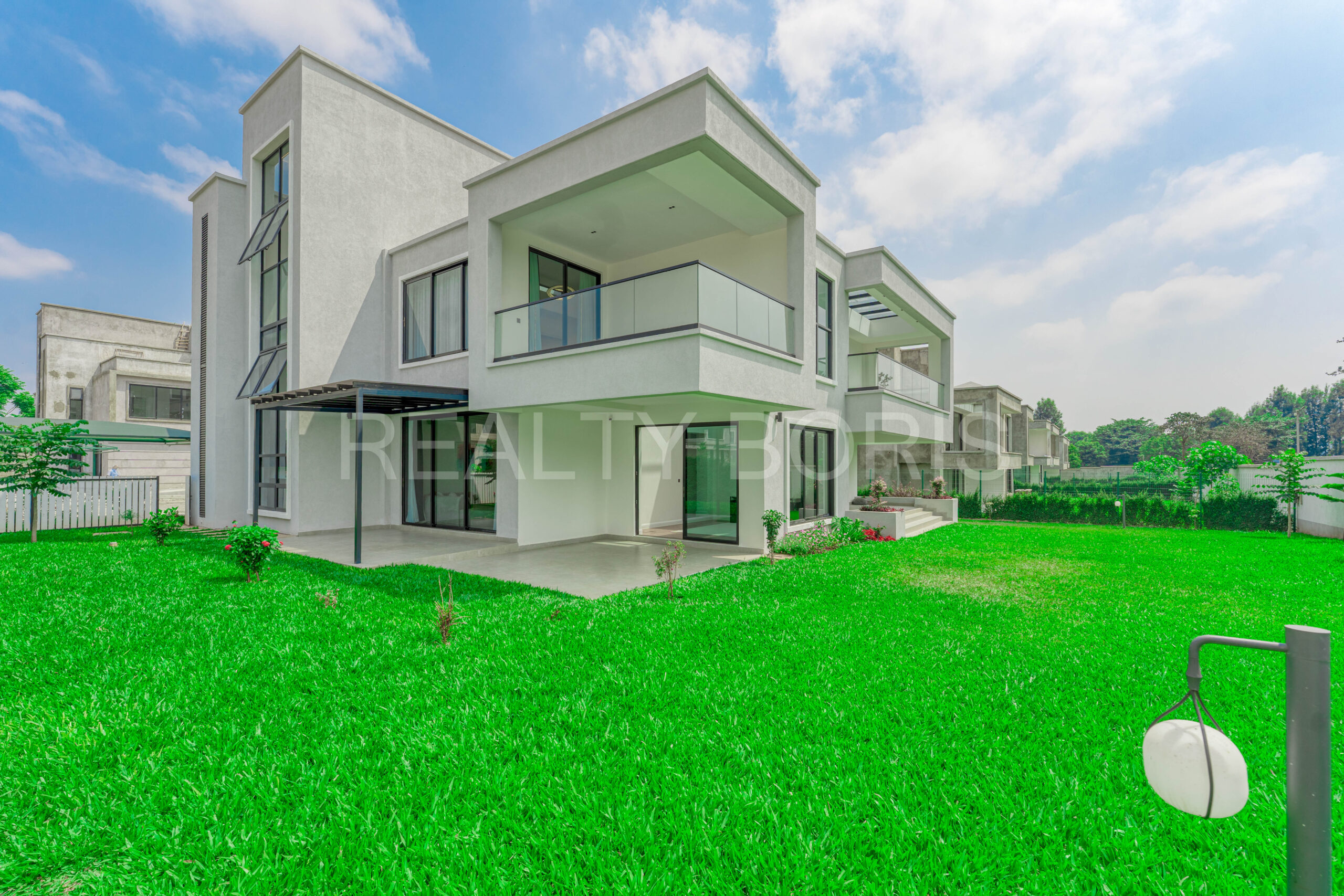

Understanding how property listings are categorized is a crucial part of navigating the real estate market—especially in Nairobi’s fast-paced upmarket neighborhoods. While most homebuyers rely on listing platforms to assess available options, many overlook the powerful insights hidden within real estate listing statuses. These short labels—such as active, pending, and sold—tell a detailed story about each property’s journey, level of competition, and the timing required to make a strong offer.
Although it may seem like a small detail, interpreting these statuses correctly can help you avoid missed opportunities, identify competitive listings early, and understand pricing trends over time. This guide breaks down the main categories used in listing systems, how they influence buyer decisions, and what each status reveals about the broader property market.
1. Active — What This Status Really Means

The most common category within real estate listing statuses is an Active listing. This means the property is currently available for sale and accepting offers. However, “Active” can carry more nuance than buyers may realize.
What Active may indicate:
-
The home has just entered the market.
-
The seller is open to showings and new offers.
-
Multiple offers may already be under review even though it appears “available.”
In fast-moving neighborhoods such as Westlands and Kilimani, an Active listing can shift status within hours. Watching active listings closely helps you act quickly when the right property appears.
2. Active Under Contract — A Conditional Opportunity
“Active Under Contract” shows that the seller has accepted an offer but has chosen to keep the listing open for backup offers. It appears in many international MLS systems and is becoming more common across digital platforms.
Why this status is important:
-
The property is not fully off the market.
-
Primary offers can fall through due to financing or inspections.
-
Backup offers may get priority if the first deal collapses.
This status is useful for buyers who missed the first opportunity but want a chance if the situation changes.
3. Pending — A Property in the Final Stages
(Focus Keyword Included in Subheading)
A Pending status signals that most conditions have been satisfied and the property is moving toward closing. At this stage, sellers typically stop accepting new offers.
Pending usually means:
-
Contract terms are complete.
-
Lender approval is in progress.
-
Legal documents are being finalized.
Pending listings rarely return to the Active market, but monitoring them helps buyers understand velocity and demand in their target area.
4. Contingent — Dependent on Specific Conditions
A listing marked Contingent means the sale is underway but dependent on certain requirements being met. These conditions—commonly called contingencies—can include:
-
Home inspection outcomes
-
Buyer financing approval
-
Property valuation
-
Buyer’s previous home selling first
Why this matters:
Contingent listings may revert to Active if conditions fail. This creates opportunities for buyers who stay patient and monitor these listings closely.
For additional reading on real estate contingencies, explore this investopedia
5. Sold — The Final Status and What It Reveals
When a listing turns Sold, it means the transfer of ownership is complete. While buyers often skip over sold listings, this category offers valuable insight for market analysis.
What sold listings reveal:
-
Actual selling prices (which may differ from asking prices)
-
Time it took for the home to sell
-
Neighborhood-level demand
-
Price appreciation trends
Studying sold data helps buyers position their offers strategically and understand where the market is heading.
6. Withdrawn — A Pause, Not a Permanent Exit
A Withdrawn status indicates that the seller has removed the listing, either temporarily or permanently. Withdrawals happen for multiple reasons:
-
Seller reconsiders plans
-
Repairs or upgrades are needed
-
Listing agent changes
-
Price strategy adjustments
Withdrawn listings can return to the market, often with better pricing or improved presentation.
7. Expired — When a Listing Outlasts Its Contract Period
When a listing becomes Expired, it means the contract between the seller and their agent ended without a sale.
Why listings expire:
-
Overpricing
-
Poor marketing
-
Limited buyer interest
-
Market timing issues
Expired listings often come back with price reductions. Savvy buyers track these to jump on renewed opportunities.
How Real Estate Listing Statuses Improve Your Buying Strategy
Interpreting listing statuses helps buyers move confidently by:
-
Identifying competitive listings
-
Determining when to act quickly
-
Understanding why some listings move faster than others
-
Recognizing which homes may return to the market
-
Tracking pricing and demand trends in Nairobi’s upmarket zones
Whether you’re casually browsing or actively house-hunting, mastering the meaning behind these statuses helps you avoid confusion and make more informed decisions.
Call to Action: Navigate Listings With Professional Guidance
If you want to understand the market, track listings effectively, and avoid missing ideal opportunities in Nairobi’s upmarket neighborhoods, expert guidance is essential.
Reach out to us today, and let us help you interpret listing statuses, analyze market trends, and secure the perfect home with confidence.