Introduction
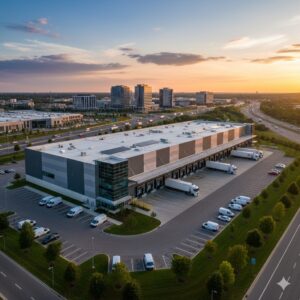
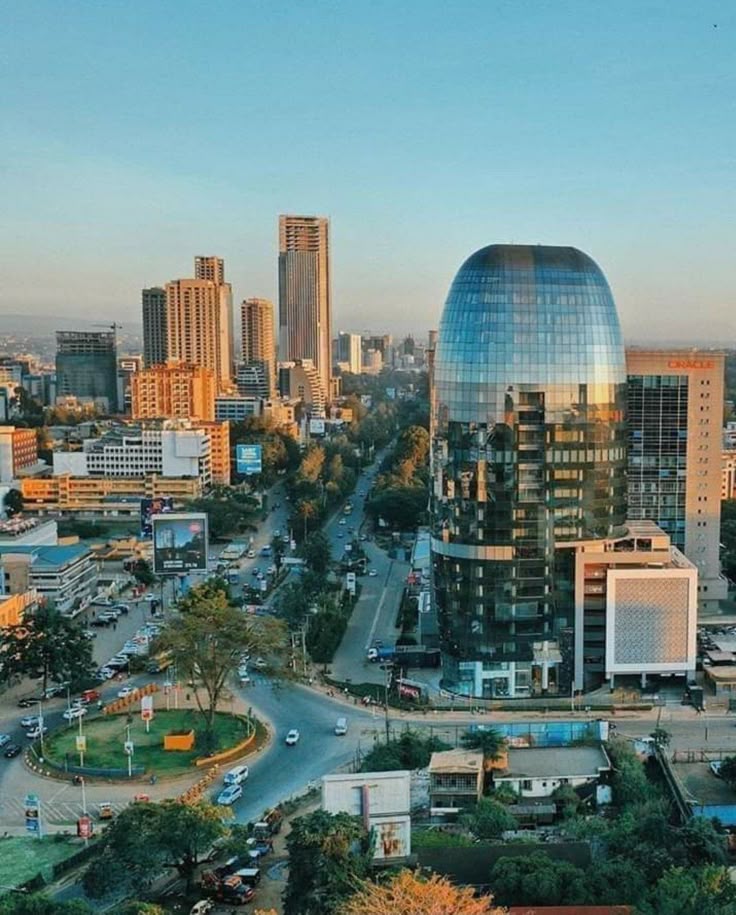
In the past few years, Westlands has evolved far beyond its reputation as just an upscale residential and commercial hub. Its fringe zones — like Spring Valley, Rhapta Road, and the lower parts near Museum Hill — are becoming Nairobi’s next frontier for warehousing and light industrial spaces.
Why? Because Nairobi’s logistics and e-commerce boom has triggered a massive need for premium, accessible, and secure warehousing near the CBD. Investors are quietly taking note. What used to be underutilized plots or small office conversions are now turning into modern distribution hubs for retail chains, last-mile delivery services, and even luxury product storage.
Let’s break down the seven major reasons why warehousing in the Westlands fringe zone is gaining significant value — and why investors, developers, and businesses should be paying attention.
- Prime Location Meets Accessibility
If there’s one thing driving warehousing demand in Westlands fringe areas, it’s accessibility.
These zones sit strategically between Nairobi’s Central Business District, Parklands, Riverside, and the highway links to Waiyaki Way and Limuru Road. For logistics firms, proximity to both corporate offices and delivery routes is gold.
Instead of operating from distant industrial parks in Athi River or Industrial Area, businesses now prefer Westlands fringe zones, where delivery to clients in Kilimani, Lavington, and Westlands takes minutes — not hours.
This location advantage alone is giving fringe warehouses a steep rise in value.
- The Logistics and E-Commerce Boom
Kenya’s e-commerce sector is in overdrive. From Jumia to boutique online stores and same-day delivery services, everyone needs reliable urban storage within the city.
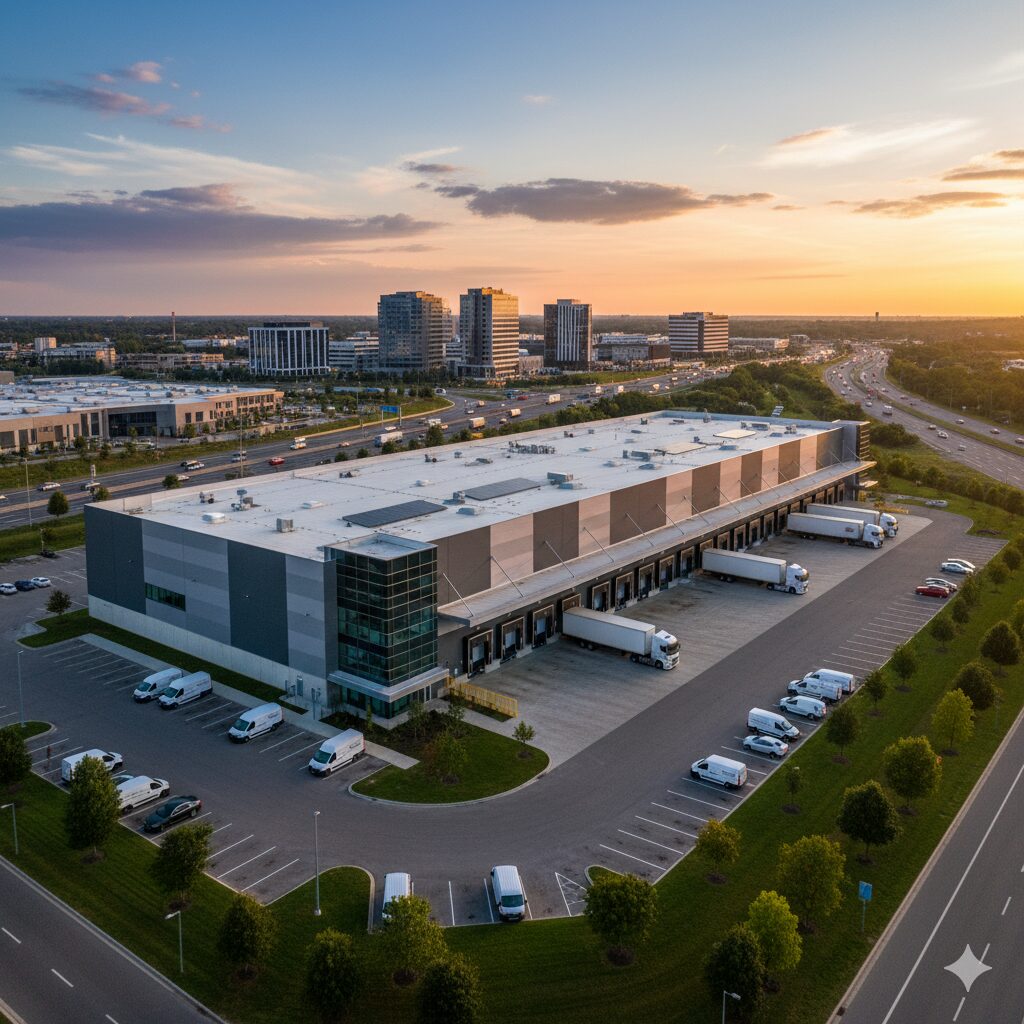
The warehousing market in Nairobi is shifting from large-scale industrial estates to compact urban distribution centers, where businesses can store goods close to their delivery markets.
Fringe Westlands perfectly fits this new model — it’s close enough to affluent consumers, yet offers cheaper land rates than core Westlands. The rise in online shopping, particularly for tech gadgets, fashion, and household items, has made these spaces prime for “last-mile warehousing.”
- Increasing Land Value and Scarcity
According to the Business Daily the cost of land in core Westlands has skyrocketed — surpassing KSh 400 million per acre in prime zones. As a result, investors and developers are spilling into fringe zones like Kangemi, Spring Valley, and lower Rhapta Road, where prices are more manageable but rising fast.
What’s happening is simple: as central Westlands saturates, the perimeter becomes premium.
These fringe zones are now seeing redevelopments of old houses into warehouse-office hybrids — offering high returns as land values appreciate. Over the past three years, property prices in these areas have climbed over 20%, with warehousing spaces driving much of that growth.
- Demand from SMEs and Corporate Expansion
It’s not just large corporations moving in. Small and medium enterprises (SMEs) are fueling the surge.
Creative agencies, tech startups, and distribution companies are all seeking multi-functional warehouse spaces — not the old, dark storage facilities, but smart, open-plan setups where they can combine inventory, logistics, and administration under one roof.
Developers have noticed. New projects in Brookside and Rhapta fringe zones are offering modular warehouse designs with high ceilings, loading bays, office floors, and modern finishes — appealing to Nairobi’s evolving business class.
- Improved Infrastructure and Zoning Flexibility
The Westlands-Riverside bypass, Waiyaki Way expansion, and Nairobi Expressway have completely reshaped the accessibility map for the area.
What was once seen as a residential boundary is now becoming an infrastructure corridor, perfect for light industrial use. Moreover, Nairobi’s zoning policies have gradually relaxed, allowing mixed-use and commercial developments in fringe residential areas — provided they meet modern planning standards.
That means developers can now confidently put up warehouses with office integration without violating land-use restrictions. This shift is a major reason investors are moving in early.
- Strong Rental Yields and Consistent Occupancy
Warehousing in the Westlands fringe isn’t just a speculative game — it’s already delivering strong numbers.
- Average rental yields range between 8%–12%, depending on accessibility and finishes.
- Occupancy rates remain above 90%across newly developed spaces due to the surge in e-commerce, logistics, and micro-distribution.
For investors, that’s a goldmine. Unlike residential units that can take months to rent out, warehouse spaces rarely stay vacant for long. Plus, tenants often sign 3–5-year leases, ensuring long-term cash flow stability.
- A Shift Toward Sustainable and Smart Warehousing
Nairobi’s warehousing market is becoming greener and smarter.
Developers are integrating solar energy, rainwater harvesting, and smart access systems to meet corporate sustainability standards. With global brands expanding into Kenya, these requirements are now part of leasing decisions.
In Westlands fringe zones, this sustainability edge is giving developers a unique selling point — commanding higher rents and more prestigious tenants.
As Nairobi positions itself as East Africa’s logistics capital, modern warehousing near the city center will be in even higher demand.
The Bottom Line
The Westlands fringe zone has quietly transitioned from a buffer area between residential and commercial zones into a profitable logistics hub.
For investors, the value proposition is clear:
✅ Cheaper land entry compared to core Westlands
✅ Rapidly growing tenant demand
✅ Prime access to major roads and business districts
✅ Long-term appreciation and sustainable yields
As Nairobi’s urban density increases, the demand for strategically placed, tech-ready, and flexible warehouse spaces will only keep growing.
Now is the time to watch, plan, and position yourself before prices fully catch up with the market reality. Contact us today at Realty Boris to position yourself in the commercial real estate scene.