
Introduction
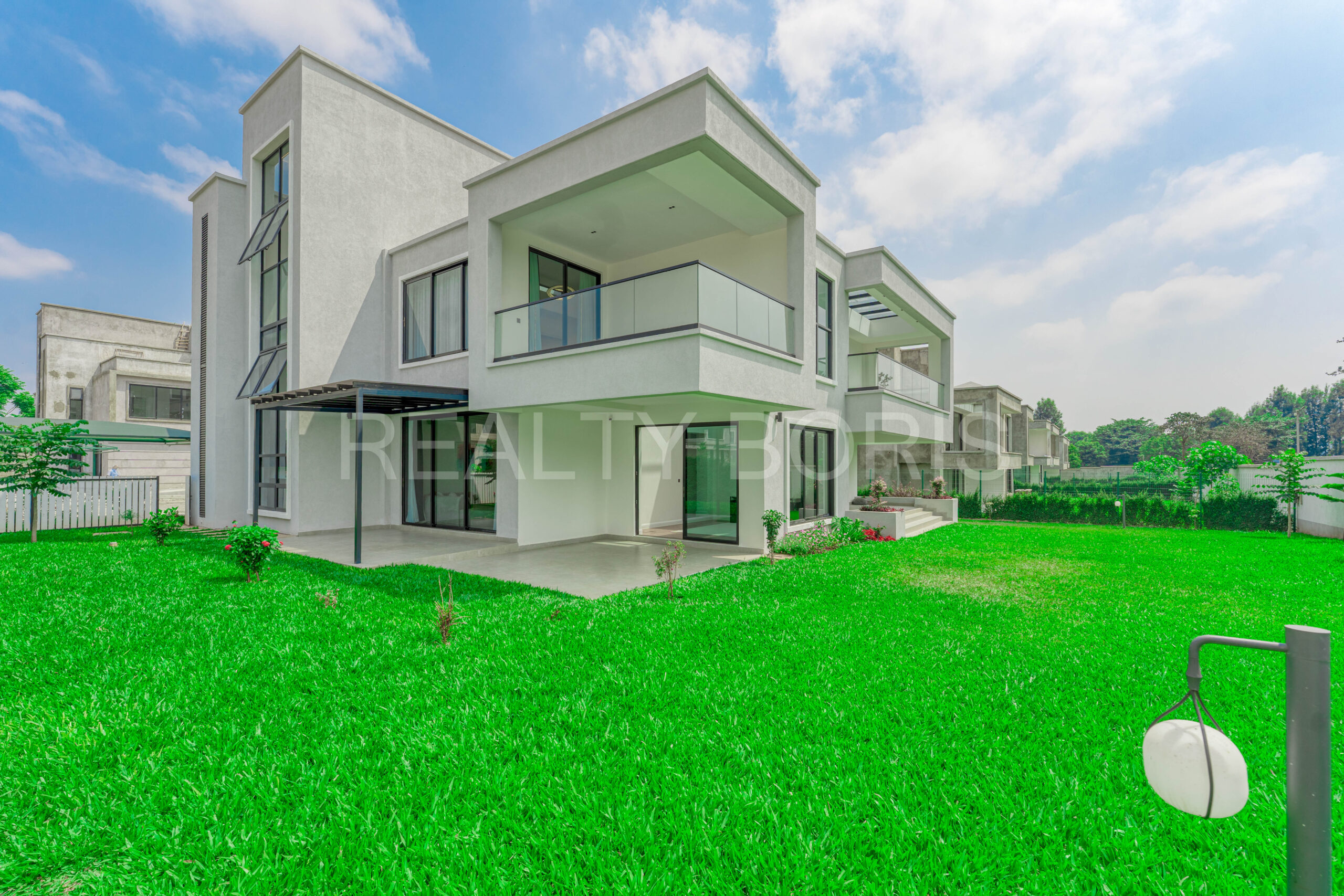
For years, Karen stood as the undisputed crown jewel of Nairobi’s luxury real estate. Its lush greenery, expansive plots, and serene gated estates were the ultimate symbols of prestige. Owning a home in Karen meant space, tranquility, and exclusivity — a lifestyle once reserved for Nairobi’s elite and expatriate diplomats.
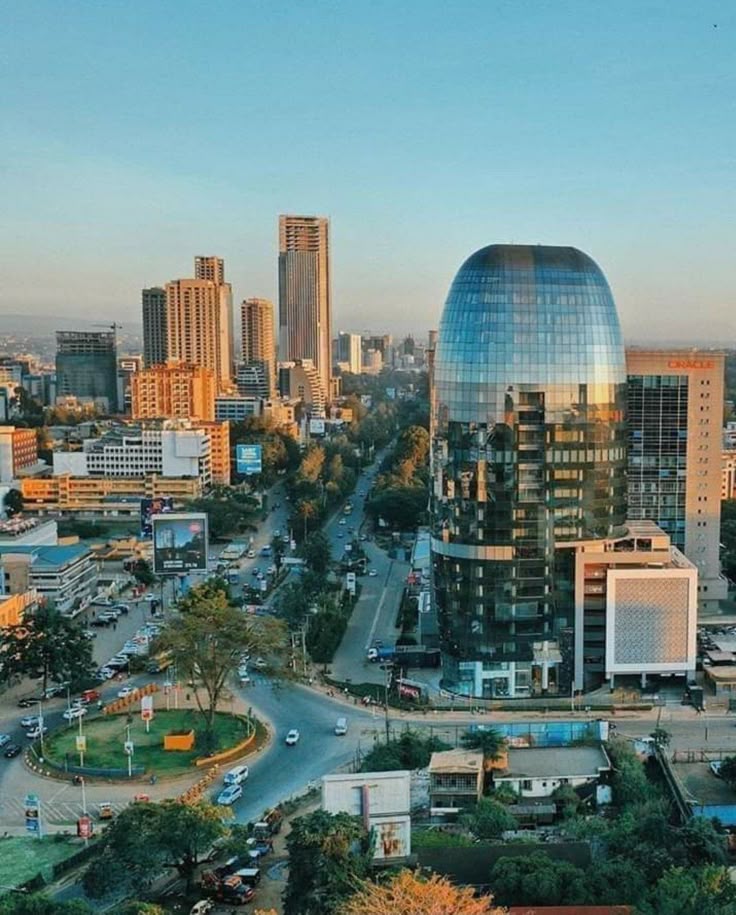
However, a quiet but powerful shift has been taking place. Riverside and Kileleshwa, two formerly quiet neighborhoods bordering the city’s commercial districts, are rapidly transforming into modern, high-demand luxury zones. With sleek apartment towers, improved infrastructure, and proximity to both Westlands and the CBD, they now compete head-to-head with Karen — and in some aspects, even surpass it.
This article explores five compelling reasons why Riverside and Kileleshwa are challenging Karen’s dominance — and why savvy investors should take note of this urban evolution.
1. Location Advantage and Accessibility
One of the most significant reasons behind the rise of Riverside and Kileleshwa is location. While Karen is located roughly 20–25 minutes from the city center (on a good day), Riverside and Kileleshwa are practically part of Nairobi’s urban core.
This proximity makes them ideal for professionals, diplomats, and expatriates who work in Westlands, Upper Hill, Gigiri, or the CBD. Reduced commute times mean higher quality of life and lower transport costs — two factors that weigh heavily on the minds of Nairobi’s high-end renters.
For instance, a tenant living in Riverside can reach Sarit Centre, The Mall Westlands, or the UN offices in Gigiri in under 15 minutes, depending on traffic. Karen residents, on the other hand, face longer commutes, especially during rush hour.
2. Modern High-End Apartments and Vertical Luxury
Karen is known for its sprawling mansions and leafy compounds — but Nairobi’s new generation of professionals and investors are redefining what luxury means. For many, vertical living in Riverside and Kileleshwa represents a more modern and connected lifestyle.
These neighborhoods now feature ultra-modern apartments, penthouses, and mixed-use developments equipped with world-class amenities:
-
Rooftop pools and sky lounges
-
Smart home technology
-
High-speed fiber internet
-
Fully equipped gyms and wellness centers
-
Concierge and 24-hour security
Developers in Riverside and Kileleshwa are tapping into the preferences of younger executives, expats, and diaspora investors who value proximity and convenience over acreage. The shift also aligns with Nairobi’s broader move toward sustainable urban density rather than suburban sprawl.
3. Strong Rental Yields and Investor Returns
From an investment perspective, Riverside and Kileleshwa offer stronger rental yields than Karen.
Karen’s rental market primarily serves long-term family tenants and embassy staff, whereas Riverside and Kileleshwa cater to a dynamic mix of corporate tenants, expatriates, and short-term business travelers. These groups typically prefer furnished or serviced apartments — which fetch rental returns between 8%–10% annually, compared to Karen’s average 5%–6%.
Moreover, corporate leasing is particularly strong in Riverside, where several multinational companies, NGOs, and embassies lease blocks of apartments for their staff. This consistency provides stable income for investors while maintaining high occupancy rates.
4. Lifestyle, Social Amenities, and Urban Convenience
Another advantage Riverside and Kileleshwa hold over Karen is urban convenience. While Karen’s beauty lies in its peace and greenery, daily errands and social life often require driving longer distances.
In contrast, residents of Riverside and Kileleshwa enjoy quick access to:
-
Malls: Sarit Centre, Lavington Mall, Yaya Centre
-
Restaurants and Cafés: Inti, Cultiva, Mercado, and About Thyme
-
International Schools: Kenton College, Braeburn, and French School
-
Healthcare: Nairobi Hospital and Aga Khan University Hospital
This ecosystem of convenience appeals to a growing class of professionals, young families, and international tenants who prefer walkable, well-connected neighborhoods. The ability to live, work, and play within minutes makes these areas extremely desirable.
5. Urban Transformation and Long-Term Appreciation
Riverside and Kileleshwa have undergone dramatic transformation in the last decade. Once quiet residential areas, they are now hubs of vertical luxury developments, boutique offices, and high-end retail.
The Kenyan government’s infrastructure investments, including improved roads like Riverside Drive, Ring Road Kileleshwa, and the expansion of Waiyaki Way, have enhanced accessibility and pushed land values upward.
New zoning policies have also allowed for more mixed-use developments, blending residential, retail, and hospitality spaces. This “live-work-play” concept resonates strongly with the international market, positioning these neighborhoods as future-proof investment zones.
Conclusion
Karen remains a timeless symbol of luxury, privacy, and prestige. But as Nairobi grows denser, faster, and more connected, Riverside and Kileleshwa are emerging as the new frontiers of upscale living.
For investors, these neighborhoods offer a unique blend of:
✅ Strategic location near Nairobi’s key business districts
✅ Modern apartment living aligned with global trends
✅ Stronger rental yields and stable demand
✅ Access to premium lifestyle amenities
✅ Ongoing urban transformation and infrastructure upgrades
In essence, Nairobi’s definition of luxury is shifting — from sprawling compounds to smart, vertical living in prime urban zones. Ignoring Riverside and Kileleshwa in your investment strategy could mean missing the city’s next big wave of growth.
Call to Action (CTA):
Looking to invest in Riverside or Kileleshwa? 🏙️
Contact Realty Boris to explore high-performing luxury properties and expert investment guidance today.