
Table of Contents
- Protecting High-Value Assets
- Covering Natural Disasters and Accidents
- Liability Coverage for Tenants and Guests
- Peace of Mind for Investors
Introduction
Luxury apartments in Nairobi’s upmarket neighborhoods — Riverside, Kilimani, Kileleshwa, Westlands, and Lavington — are more than just living spaces; they’re lifestyle statements and long-term investments. With high property values, imported fittings, designer interiors, and premium amenities, the financial risks tied to these properties are equally high.
While most buyers focus on location, finishing, and amenities, home insurance is often overlooked. Yet, it is the one safeguard that ensures your investment remains secure against unexpected events like fires, floods, theft, and liability claims.
Understanding Home Insurance
Home insurance is a contract between the property owner and an insurance provider, where the insurer compensates for damages or losses arising from covered risks.
In Kenya, insurance falls under the oversight of the Insurance Regulatory Authority (IRA), which ensures fairness and transparency in the industry.
Luxury apartments require tailored insurance policies that cover:
- Structural damage to the building.
- Contents insurance for valuables such as electronics, artwork, and furniture.
- Liability coverage in case of third-party injury or property damage.
- Loss of rent protection for investors leasing out their properties.
Why Luxury Apartments Need Insurance

1. Protecting High-Value Assets
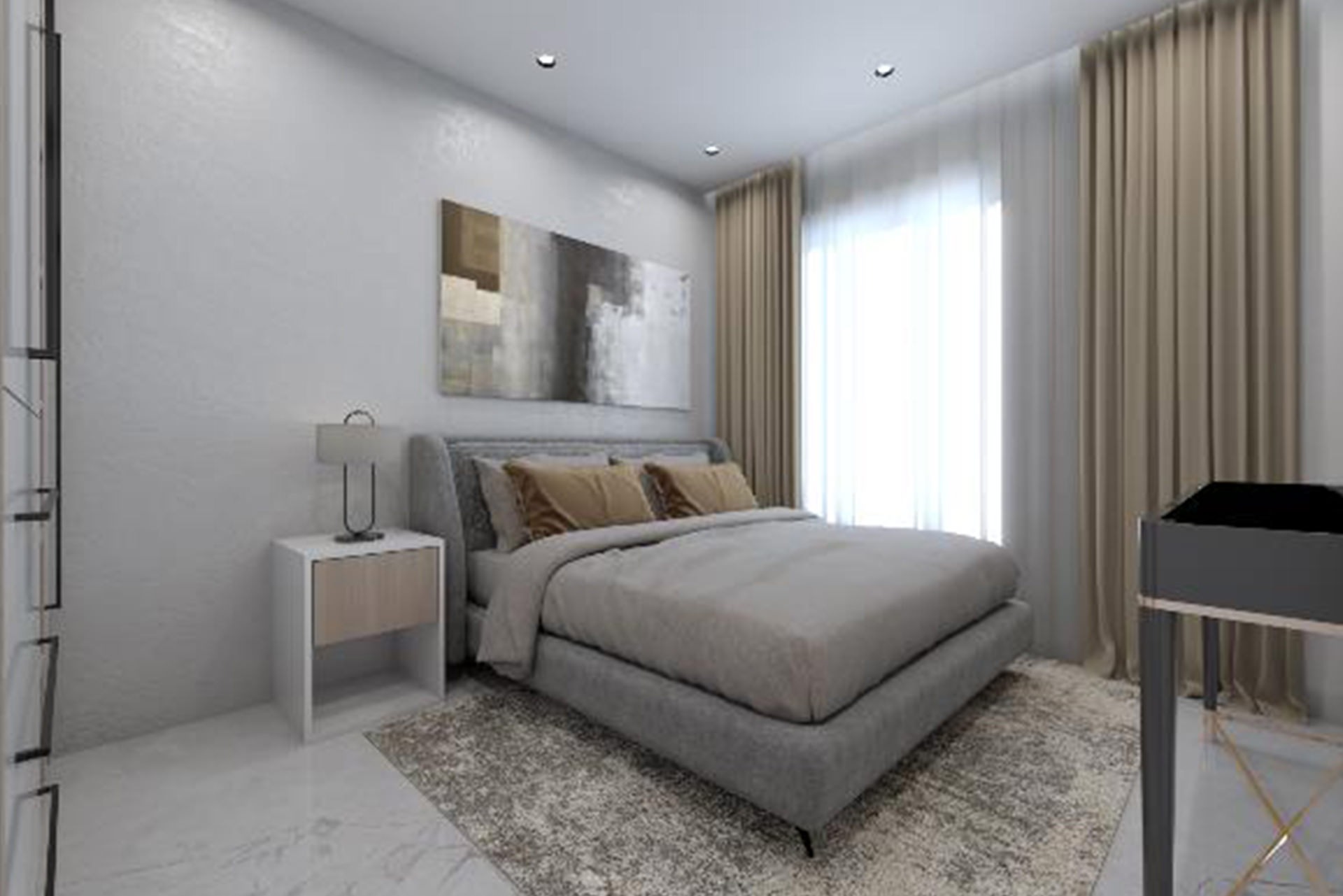
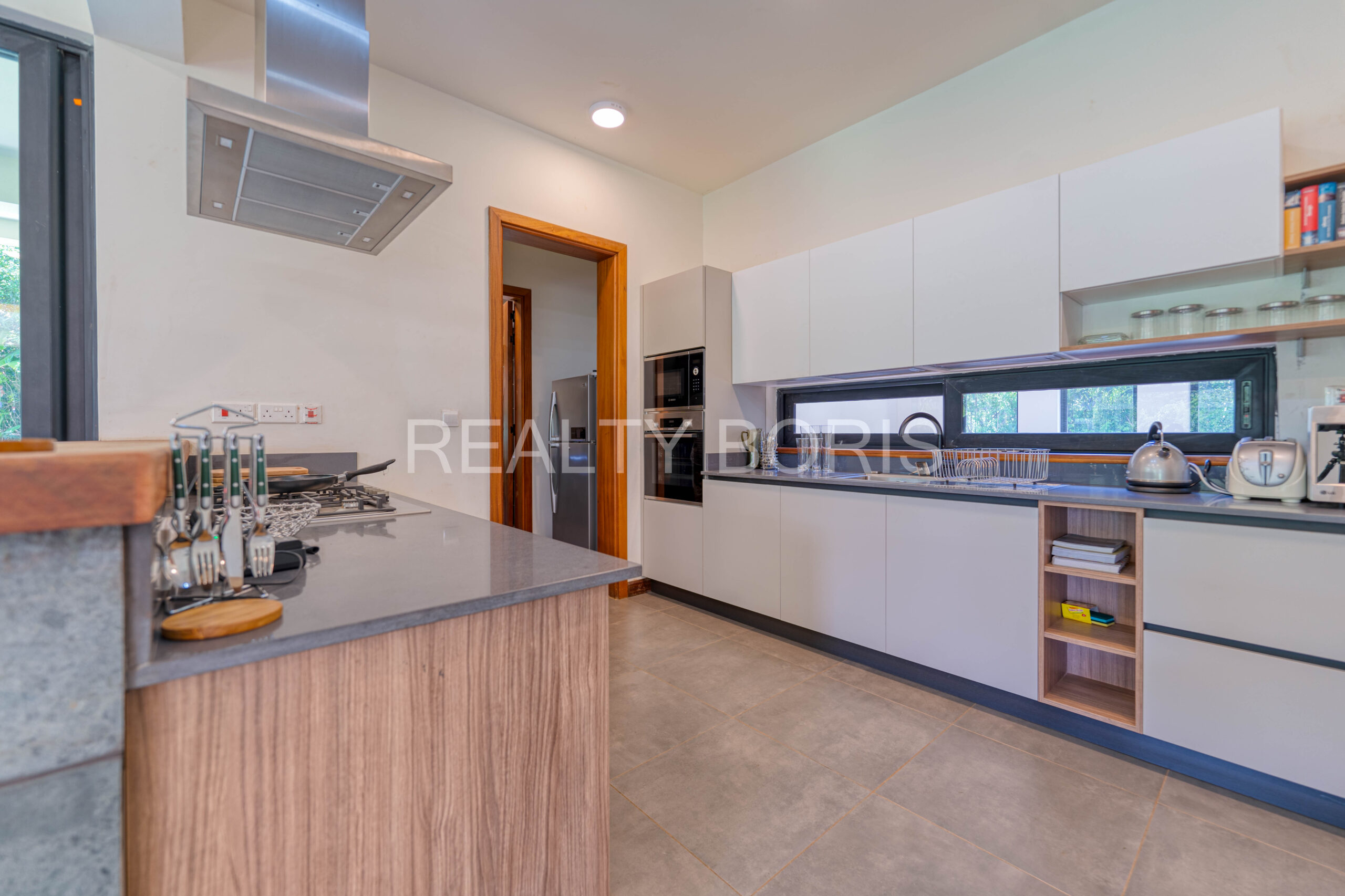
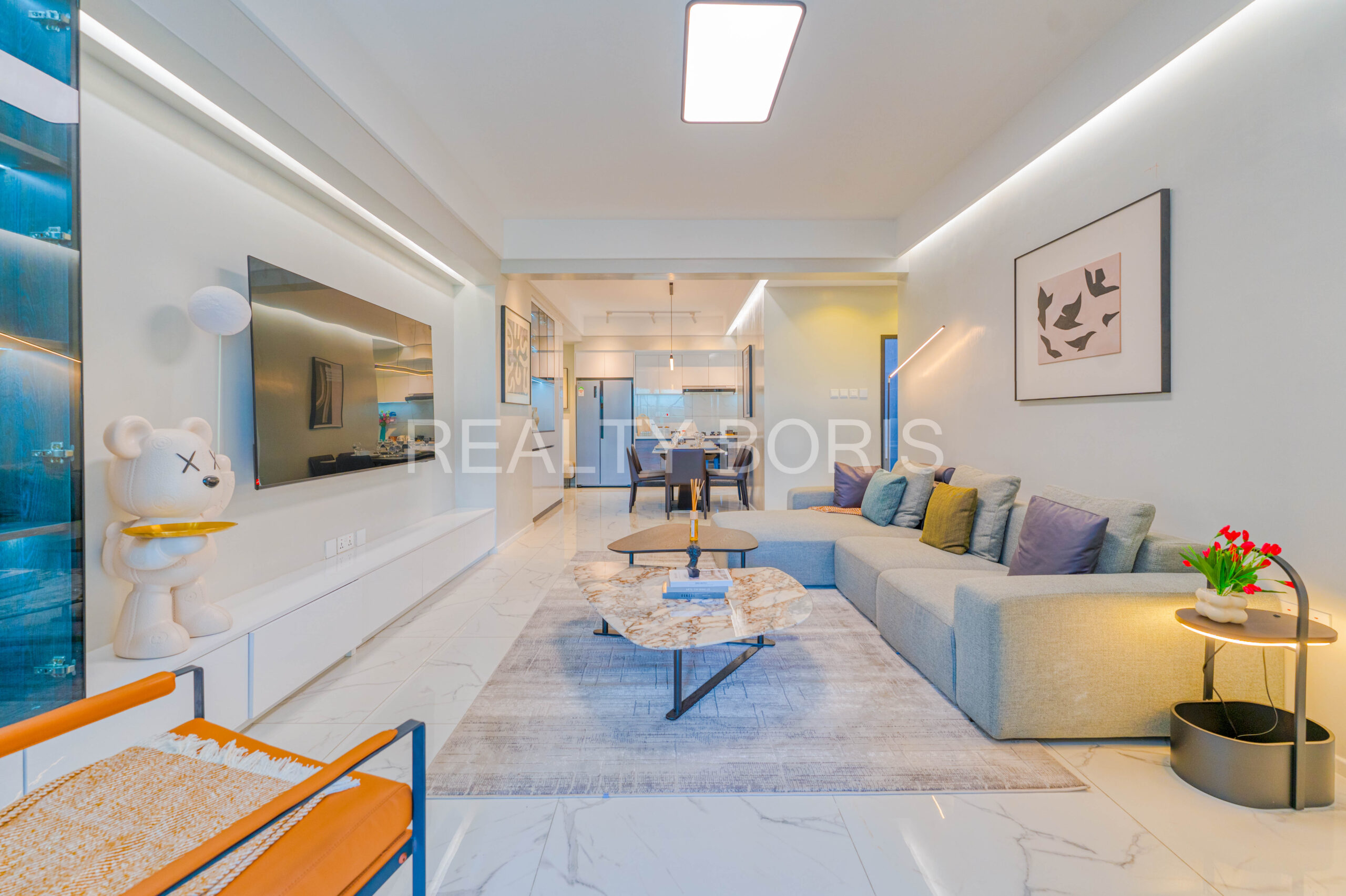
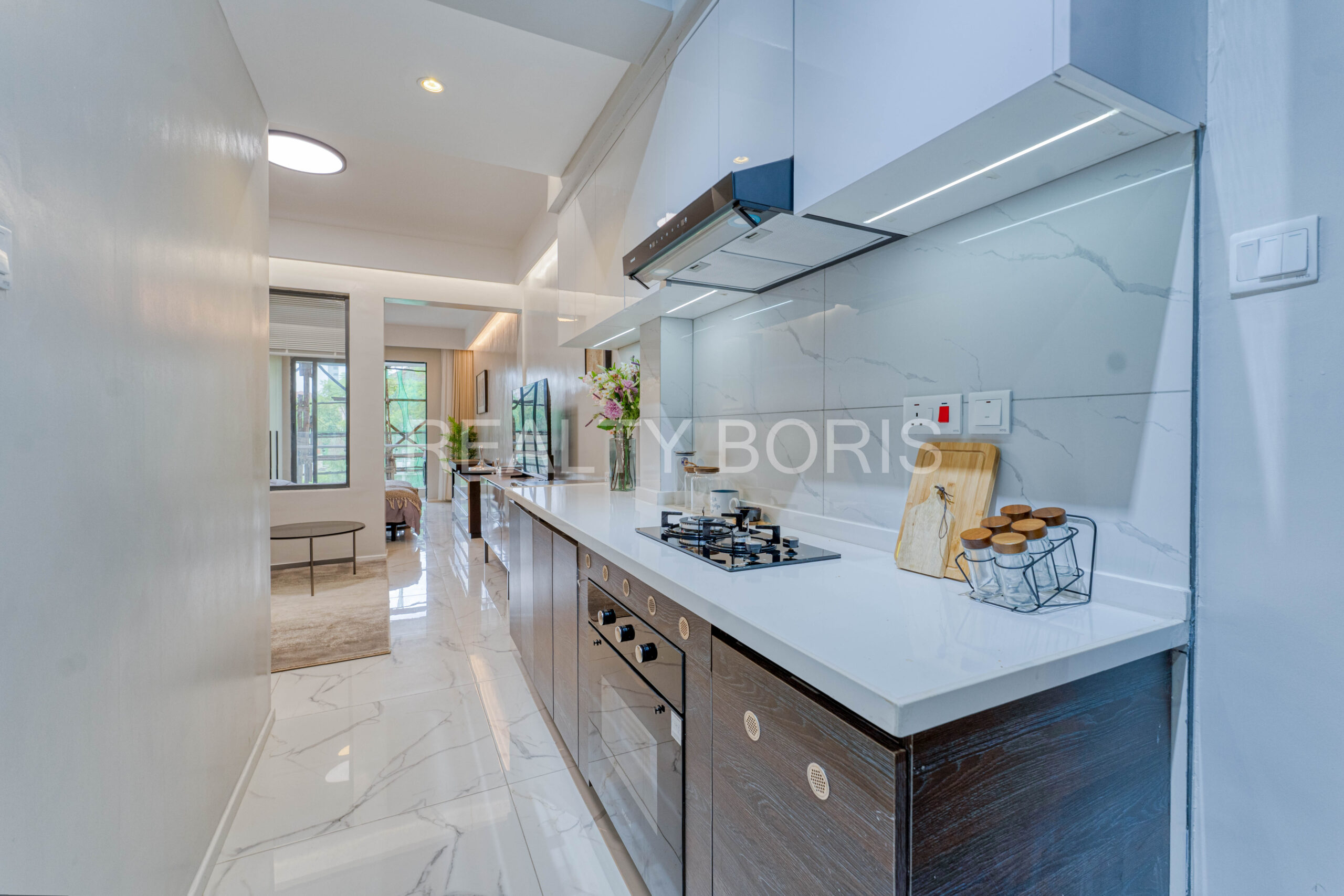
Most luxury apartments in Nairobi feature imported marble floors, state-of-the-art smart home systems, and designer furnishings. A fire, water leak, or theft could cause millions in losses. Insurance ensures these assets are replaced or repaired without draining your finances.
2. Covering Natural Disasters and Accidents
Even though Nairobi isn’t prone to earthquakes, risks such as flooding, electrical faults, and accidental fires are common. For example, in 2023, a Kilimani high-rise suffered a significant fire outbreak, and only insured tenants were fully compensated.
3. Liability Coverage for Tenants and Guests
If a water pipe bursts in your apartment and damages a neighbor’s property, or if a guest slips and sues, liability insurance covers those expenses. This is crucial in high-rise luxury complexes where risks of shared utilities are higher.
4. Peace of Mind for Investors
For landlords, insurance ensures rental income stability. Even if your apartment becomes uninhabitable after damage, “loss of rent” policies cover the income you’d otherwise lose.
Types of Home Insurance Coverage
- Building Insurance– Protects the apartment structure against fire, floods, and other risks.
- Contents Insurance– Covers personal belongings like furniture, electronics, and art.
- Liability Insurance– Protects against lawsuits arising from injuries or damages involving guests or neighbors.
- Loss of Rent Coverage– Helps landlords maintain income if tenants move out due to damage.
- All-Risk Insurance– Provides comprehensive coverage, especially useful for luxury properties with high-value items.
Cost of Home Insurance for Luxury Properties in Nairobi
Home insurance costs vary, but for luxury apartments, you can expect:
- 25%–0.5% of the insured value annually.
- For a luxury apartment worth KSh 50 million, premiums may range between KSh 125,000–250,000 per year depending on coverage.
While this may seem high, it’s a fraction compared to potential losses from fire or theft.
Factors That Influence Insurance Premiums
- Location– Riverside and Lavington may attract higher premiums compared to satellite towns due to property values.
- Property Value– The higher the value of your apartment and its contents, the higher the premium.
- Building Type– High-rise apartments with shared utilities (water, electricity) have higher risk profiles.
- Coverage Type– Comprehensive policies cost more than basic fire and burglary policies.
- Security Features– Properties with CCTV, fire alarms, and gated access often enjoy discounted premiums.
How to Choose the Right Policy
- Assess your needs: If your apartment has expensive art and imported furniture, consider contents insurance.
- Compare providers: Don’t settle on the first quote. Compare at least three licensed insurers.
- Read exclusions carefully: Some policies don’t cover terrorism or natural disasters unless added.
- Seek professional advice: Work with real estate professionals like Realty Boris to find insurers familiar with luxury properties.
Conclusion

Luxury apartments are not just homes — they’re high-value investments that deserve full protection. Insurance isn’t an expense; it’s a safeguard against financial ruin. From covering natural disasters to ensuring peace of mind for investors, home insurance is the shield every luxury homeowner in Nairobi needs.
FAQs
- Is home insurance mandatory in Nairobi?
No, but most mortgage lenders require it before financing. - Can tenants also take home insurance?
Yes, tenants can opt for contents insurance to protect personal belongings. - Does home insurance cover floods?
Yes, but only if floods are listed in the policy coverage. Always confirm. - How long does it take to process a home insurance claim?
Typically 14–30 days, depending on the insurer and complexity of the case. - Can I get a discount on premiums?
Yes. Properties with security systems, CCTV, and fire safety features often qualify for lower rates.
Call-to-Action (CTA)
Don’t leave your luxury apartment exposed to risks. 🏢 Contact Realty Boris today to secure the best home insurance coverage tailored to Nairobi’s high-end property market.