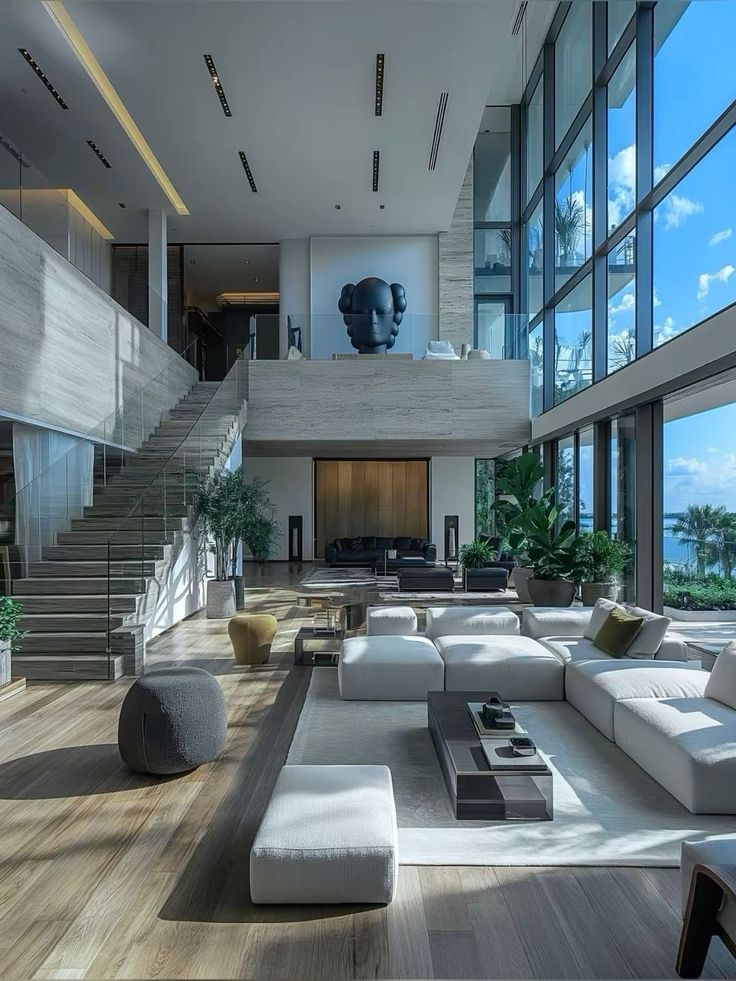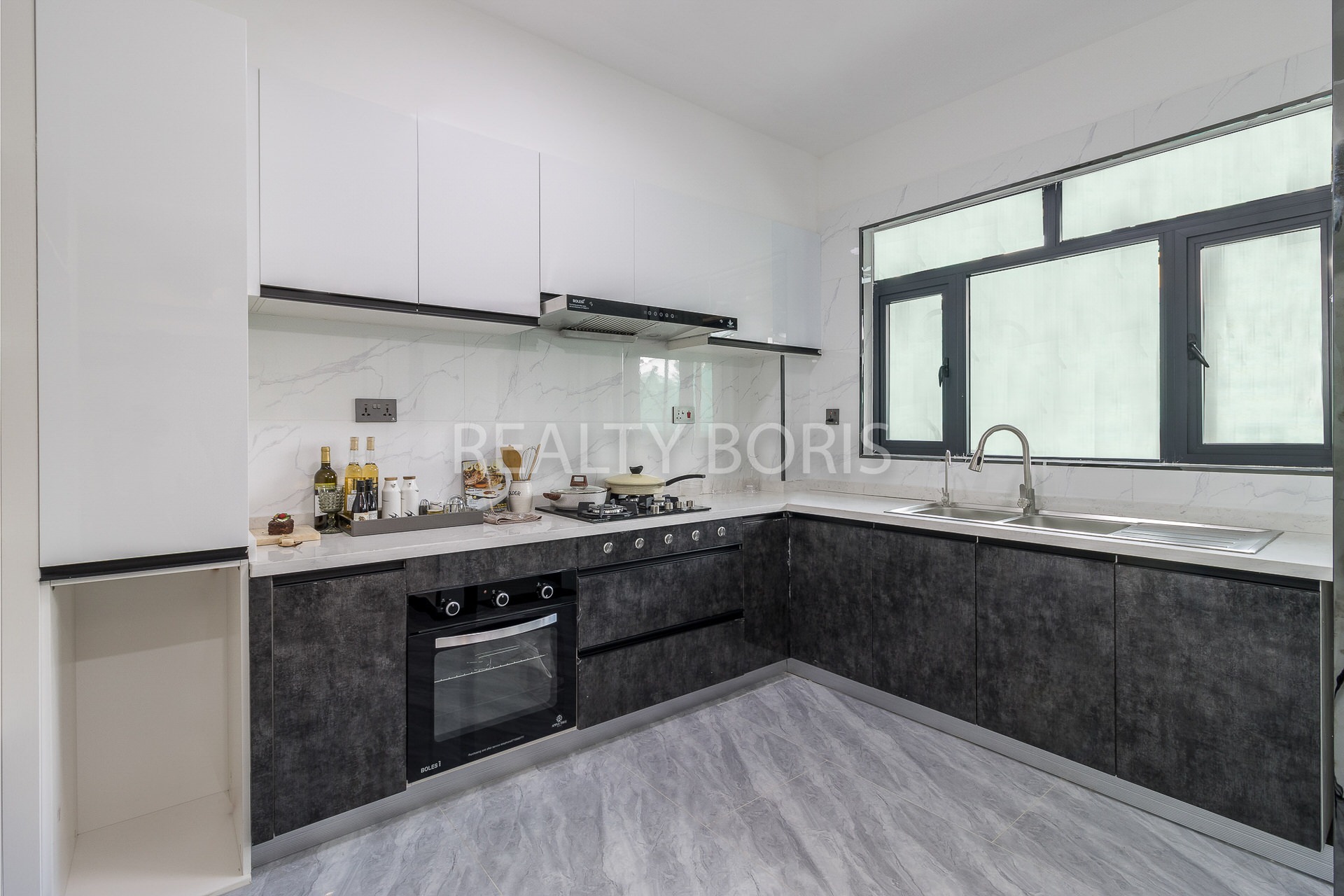

Parklands remains one of Nairobi’s most accessible yet undervalued upmarket suburbs in 2026 — a central, green neighbourhood that bridges the prestige of Westlands with the practicality of Parklands Hospital, Aga Khan University Hospital, and major arterial roads. With mature trees, gated estates, and a mix of mid-to-upper residential developments, Parklands attracts young professionals, small families, mid-level expats, and investors seeking strong yields without the ultra-high premiums of Karen, Runda, or Muthaiga.
For income-focused investors, affordable upmarket units in Parklands — particularly 1- and 2-bedroom apartments and townhouses — continue to deliver surprisingly robust rental yields and cash flow. These properties combine lower entry prices, high occupancy from a diverse tenant base, manageable holding costs, and steady appreciation from spillover demand. This 2026 guide outlines the 7 proven reasons affordable upmarket units in Parklands still yield well — grounded in current tenant trends, cost dynamics, and market positioning — showing why this suburb remains a hidden gem for value-driven real estate investors.
1. Lower Entry Prices vs. Core Upmarket Suburbs
- 1-bedroom apartments: KES 18–32 million (average ~KES 24M)
- 2-bedroom apartments/townhouses: KES 28–50 million (average ~KES 38M)
Compare to:
- Westlands: 20–40% higher
- Kilimani/Lavington: 15–30% higher
- Karen/Runda: 50–100%+ higher
Proven advantage: Investors capture the same or better percentage yields on significantly less capital — boosting cash-on-cash returns (12–18% typical) and making Parklands ideal for portfolio building or first-time upmarket entry.
2. High Occupancy from Diverse, Resilient Tenants
- Primary renters: young professionals, mid-level expats, small families, medical/nursing staff (Parklands & Aga Khan proximity), corporate relocations
- Occupancy: 85–93% in quality gated estates
- Letting time: 2–6 weeks (faster for 1- & 2-beds)
- Average stay: 18–36 months long-term
Why it yields well: Tenant diversity (professionals + families + healthcare workers) reduces vacancy risk compared to luxury-heavy suburbs with narrower pools.
3. Strong Rental Yields & Cash Flow Stability
- 1-bedroom: Gross 7.5–10%, net 6.0–8.5%
- 2-bedroom: Gross 7.0–9.5%, net 5.8–8.0%
- Monthly net cash flow (furnished, 88% occupancy): KES 80,000–160,000+ (1-bed), KES 100,000–200,000+ (2-bed)
- Cash-on-cash ROI (20% down): 12–18%
Proven edge: Yields remain competitive with Westlands/Kilimani but with lower purchase prices — delivering higher effective returns on invested capital.
4. Quick Turnover & Low Vacancy Risk
- Letting time: 2–6 weeks (faster than 3- or 4-bedroom family units)
- Churn is moderate — balanced between long-stay families and mid-term professionals
Why it matters: Faster re-letting minimizes income gaps — critical for maintaining strong cash flow in a value-oriented suburb.
5. Manageable Monthly Holding Costs
- Service charge/levies: KES 10,000–18,000/month
- Utilities/maintenance: KES 8,000–22,000/month
- Insurance: KES 4,000–10,000/month
- Total average monthly cost: KES 22,000–50,000 (1- & 2-bed)
Advantage: 30–50% lower than larger units in Karen/Runda — preserving more net income for debt service or reinvestment.
6. Steady Capital Appreciation from Spillover & Gentrification
- Appreciation: 7.5–11% YoY in quality gated projects (2026 estimate)
- Resale liquidity: High — growing buyer pool (families upgrading from Kilimani/Lavington, expats priced out of Runda/Karen)
Proven reason: Spillover demand from saturated central suburbs + ongoing gentrification (road upgrades, retail expansion) accelerates price growth — offering solid upside without the premium price tag.
7. Proximity to Hospitals & Professional Hubs
- Parklands Hospital & Aga Khan University Hospital within 5–10 minutes
- Quick access to Westlands offices, Village Market, and UN/Gigiri
This healthcare & professional adjacency attracts stable tenants (medical staff, expats, executives) — supporting consistent occupancy and rent resilience.
8. Risk-Adjusted Value in a Maturing Prestige Zone
Parklands offers lower downside risk than ultra-luxury suburbs (less overvaluation) and higher upside than fully saturated areas (more room to run). It sits in a “value sweet spot” — established enough for stability, emerging enough for appreciation catch-up.
Bottom line for 2026 in Parklands: Affordable upmarket units — especially 1- and 2-bedroom apartments and townhouses — still yield exceptionally well. Driven by lower entry prices, high occupancy, strong yields, quick turnover, manageable costs, steady appreciation, professional demand, and risk-adjusted upside, Parklands remains a hidden gem for investors seeking reliable returns without the high premiums of Karen, Runda, or Muthaiga.
Call to Action: Ready to capture strong yields and appreciation in Parklands before prices fully align with Westlands or Kilimani? At Realty Boris, we specialize in upmarket residential properties across Parklands, Spring Valley, Loresho, Gigiri, Muthaiga, Runda, Karen, Lavington, Westlands, Kilimani, Kileleshwa, Riverside, and beyond. We invite you to visit our offices for a private, no-obligation consultation. Bring your investment goals, your timeline, your budget — we’ll bring current exclusive listings (including off-market opportunities in Parklands), real-time yield and appreciation projections, side-by-side suburb comparisons, and honest, experience-based advice tailored to your vision.
Whether you’re building a rental portfolio, securing mid-term cash flow, or finding your next family home, our team is here to help you make confident, informed decisions. Contact us right now to reserve your private session — quality properties in Parklands move quickly, and the right time to act is today. Let’s sit down together and map out your next smart move in Nairobi’s most value-driven upmarket corridor.