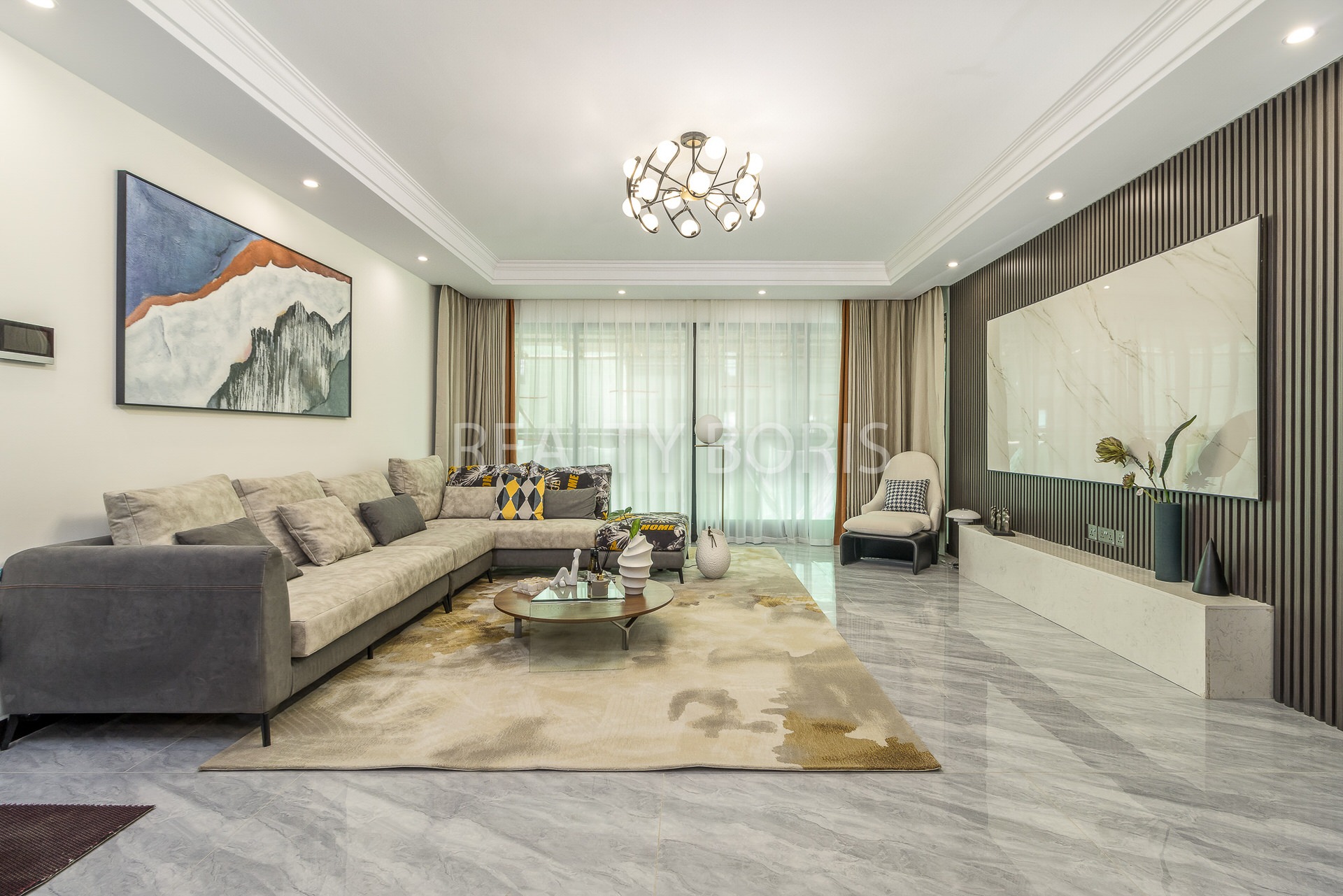
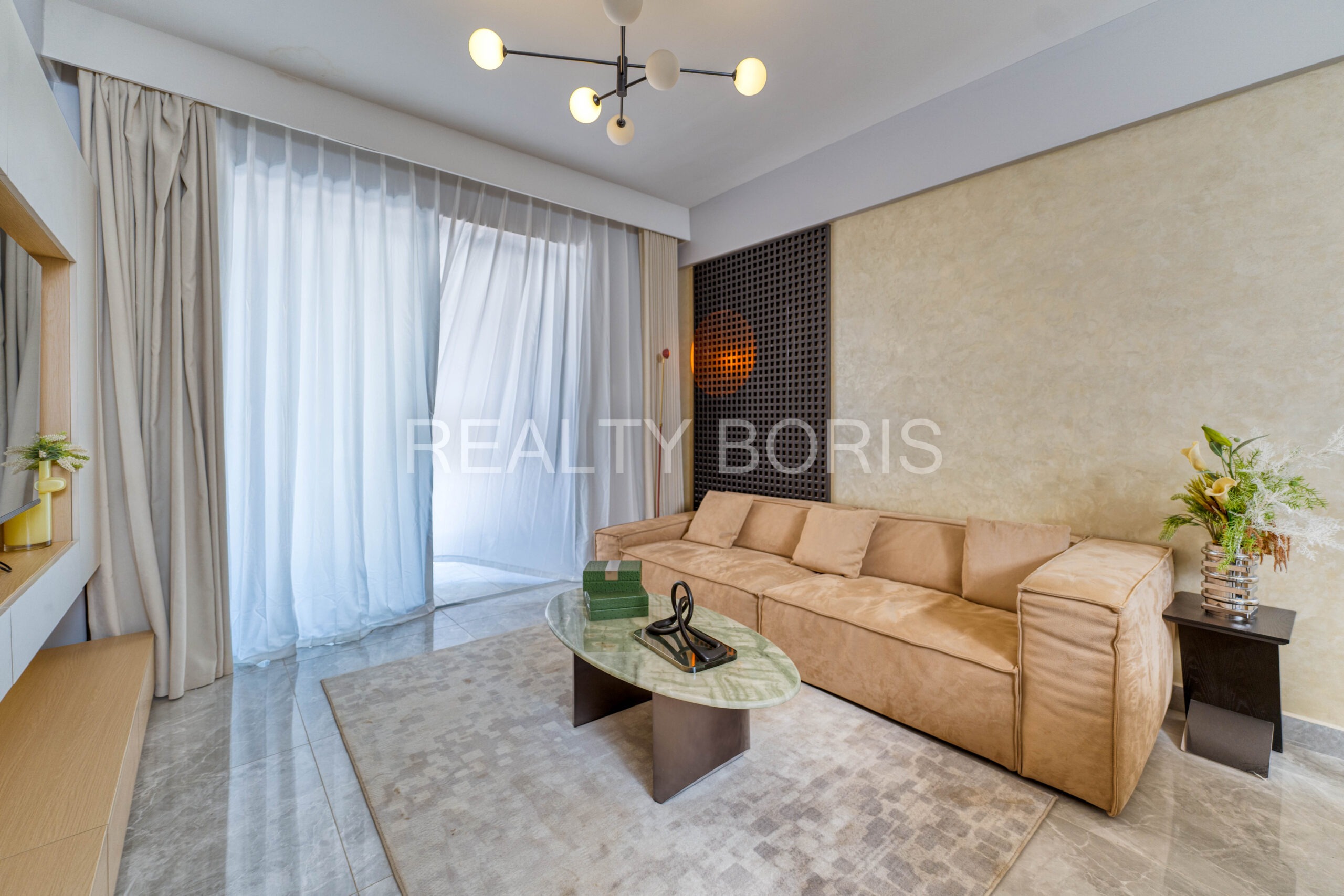

When deciding between 3-bedroom family units and smaller units (studio or 1-bedroom) in Nairobi’s prime upmarket suburbs in 2026, cash flow investors face a classic trade-off: family units deliver higher absolute monthly income and stronger long-term appreciation but at the cost of lower percentage yields and higher expenses, while smaller units offer superior yield efficiency, faster turnover, lower costs, and easier scalability but generate less total cash per property.
The right choice depends on your available capital, investment horizon, risk tolerance, management style, and whether you prioritize percentage ROI (smaller units) or absolute income + growth (family units). This 2026 comparison breaks down the 10 essential pros & cons of family units vs smaller units for cash flow — grounded in real tenant behaviour, holding realities, market dynamics, and suburb-specific performance in prime areas (Kilimani, Westlands, Kileleshwa, Lavington, Riverside) — to help you make a clear, data-driven decision.
1. Cash-on-Cash ROI & Yield Efficiency
- Smaller units (studio/1-bed): Gross yields 7.5–10.5%, net 6.0–8.8%, cash-on-cash ROI 12–20%
- Family units (3-bed): Gross yields 6.0–8.5%, net 4.8–7.0%, cash-on-cash ROI 9–14%
Pro for smaller units: Significantly higher percentage returns on invested capital — critical for first-time or portfolio investors. Con for family units: Lower % yields due to higher purchase price relative to rent.
2. Absolute Monthly Cash Flow
- Smaller units: Net cash flow KES 65,000–180,000/month (furnished long-term)
- Family units: Net cash flow KES 110,000–280,000+/month (furnished long-term)
Pro for family units: 1.5–3× higher absolute income per property — ideal for investors who want meaningful monthly passive income. Con for smaller units: Lower total cash per unit, requiring more properties to reach the same income level.
3. Tenant Demand & Occupancy Stability

- Smaller units: Broad pool (young professionals, single expats, DINKs, short-term corporate) — occupancy 85–94%, letting time 2–6 weeks
- Family units: Narrower pool (families with 1–3 children, mid/senior expats) — occupancy 85–93%, letting time 4–10 weeks
Pro for smaller units: Faster turnover and lower vacancy risk — less income lost during voids. Con for family units: Longer voids when tenants leave — though once occupied, stays are longer (24–60+ months).
4. Turnover & Management Effort
- Smaller units: High turnover (average stay 12–24 months long-term, 7–45 nights short-term) — more frequent cleaning, inspections, re-marketing
- Family units: Low turnover (average stay 24–60+ months) — fewer transitions, less management time
Pro for family units: Lower ongoing effort and vacancy gaps — better for passive investors. Con for smaller units: Higher hands-on work (especially STR) — more tenant changes.
5. Monthly Holding & Maintenance Costs
- Smaller units: Total KES 17,000–50,000/month (1-bed average)
- Family units: Total KES 37,000–80,000+/month (3-bed average)
Pro for smaller units: 40–70% lower fixed costs — preserves more net cash flow. Con for family units: Higher levies, utilities, maintenance — reduces net yield percentage.
6. Capital Appreciation Potential

- Smaller units: 7–11.5% YoY (strong in Westlands/Kilimani from professional demand)
- Family units: 8–13% YoY (stronger in Lavington/Kileleshwa from family scarcity)
Pro for family units: Slightly higher long-term growth — better for 10+ year holds. Con for smaller units: Slightly lower absolute appreciation per unit.
7. Resale Liquidity & Exit Speed
- Smaller units: Very high liquidity — fast exit (4–10 weeks) to young professionals/investors upgrading
- Family units: High but slower liquidity — more selective buyers (families upgrading), 6–14 weeks typical
Pro for smaller units: Easier and quicker to sell — lower risk if strategy changes. Con for family units: Longer exit time in softer markets.
8. Portfolio Scalability
- Smaller units: KES 50 million buys 2–3 units vs 1 family unit
- Family units: Higher concentration risk per property
Pro for smaller units: Easier diversification and scale. Con for family units: Harder to build multi-property portfolio with same capital.
9. Risk & Economic Resilience
- Smaller units: More resilient to downturns — mobile professionals keep renting central locations
- Family units: More sensitive — families delay moves during economic pressure (school fees, larger budgets)
Pro for smaller units: Lower risk in volatile periods. Con for family units: Higher exposure to family budget cycles.
10. Quick Decision Framework for Investors in 2026
| Your Priority | Best Choice in Prime Areas | Why |
|---|---|---|
| Maximum cash-on-cash ROI | 1-bedroom / studio | Highest % return on capital |
| Highest absolute monthly cash flow | 3-bedroom family unit | 2–3× higher rent |
| Lowest vacancy & fastest turnover | 1-bedroom / studio | Broader tenant pool |
| Lowest monthly holding cost | 1-bedroom / studio | 40–70% cheaper to own |
| Strongest long-term appreciation | 3-bedroom family unit | Family scarcity premium |
| Portfolio building (scale) | 1-bedroom / studio | Lowest entry, easiest to multiply |
| Passive management / low effort | 3-bedroom family unit | Longer tenant stays |
| Hybrid (live-in + rental income) | 2- or 3-bedroom | Balanced space + income |
Bottom line for 2026:
- Choose smaller units (1-bed/studio) for maximum ROI, cash flow efficiency, low risk, and portfolio scale.
- Choose 3-bedroom family units for higher absolute income, stability, and long-term appreciation — if you can afford the premium.
Call to Action: Ready to compare 1-bedroom, 2-bedroom, or 3-bedroom family units in Kilimani, Westlands, Kileleshwa, Lavington, or other prime suburbs? Visit Realty Boris offices today for a private, in-depth discussion with our expert team. We’ll show you current high-performing listings and help you choose the best unit size for your cash flow and growth goals. Contact us to schedule your visit and take the next step toward building your elite portfolio.