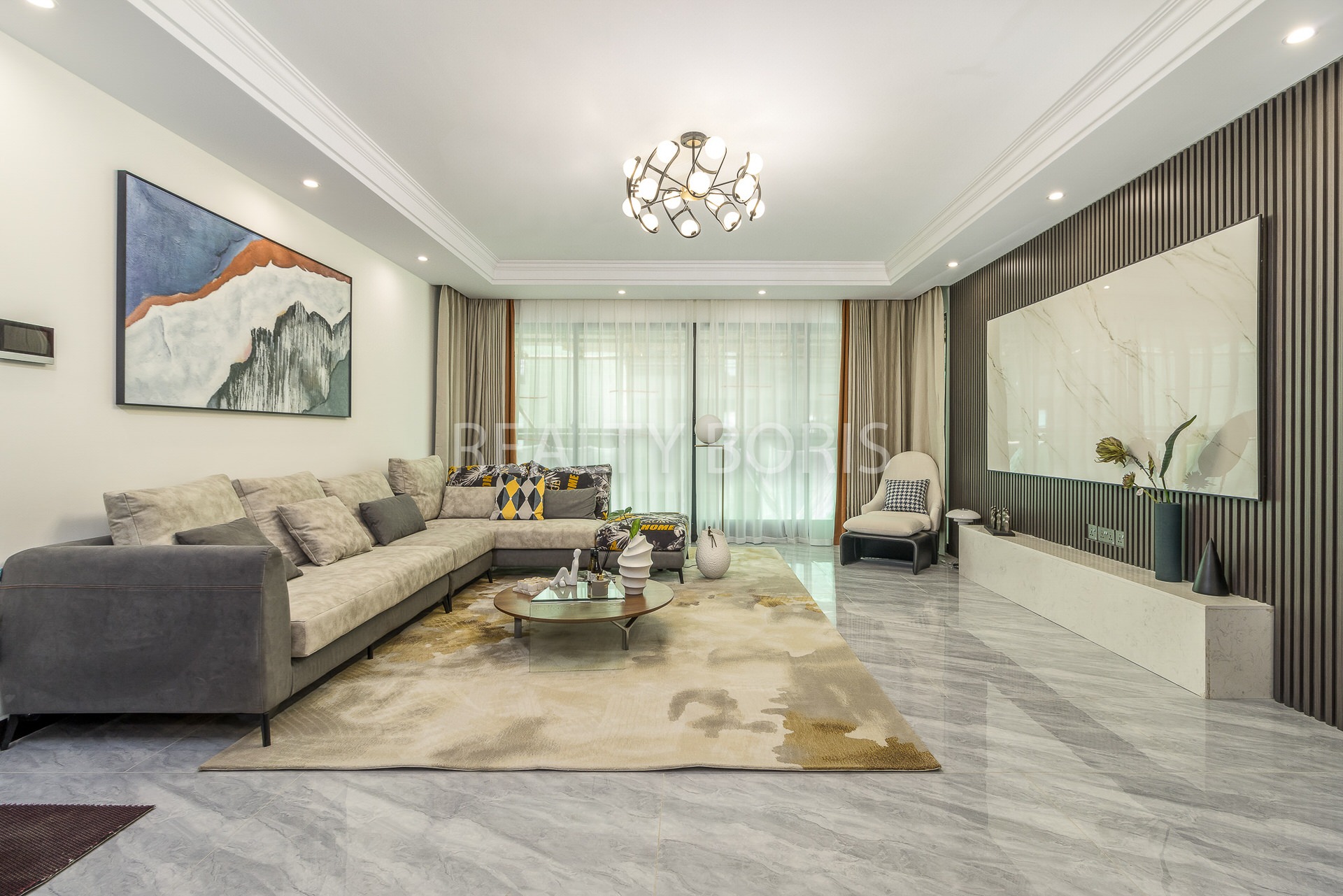
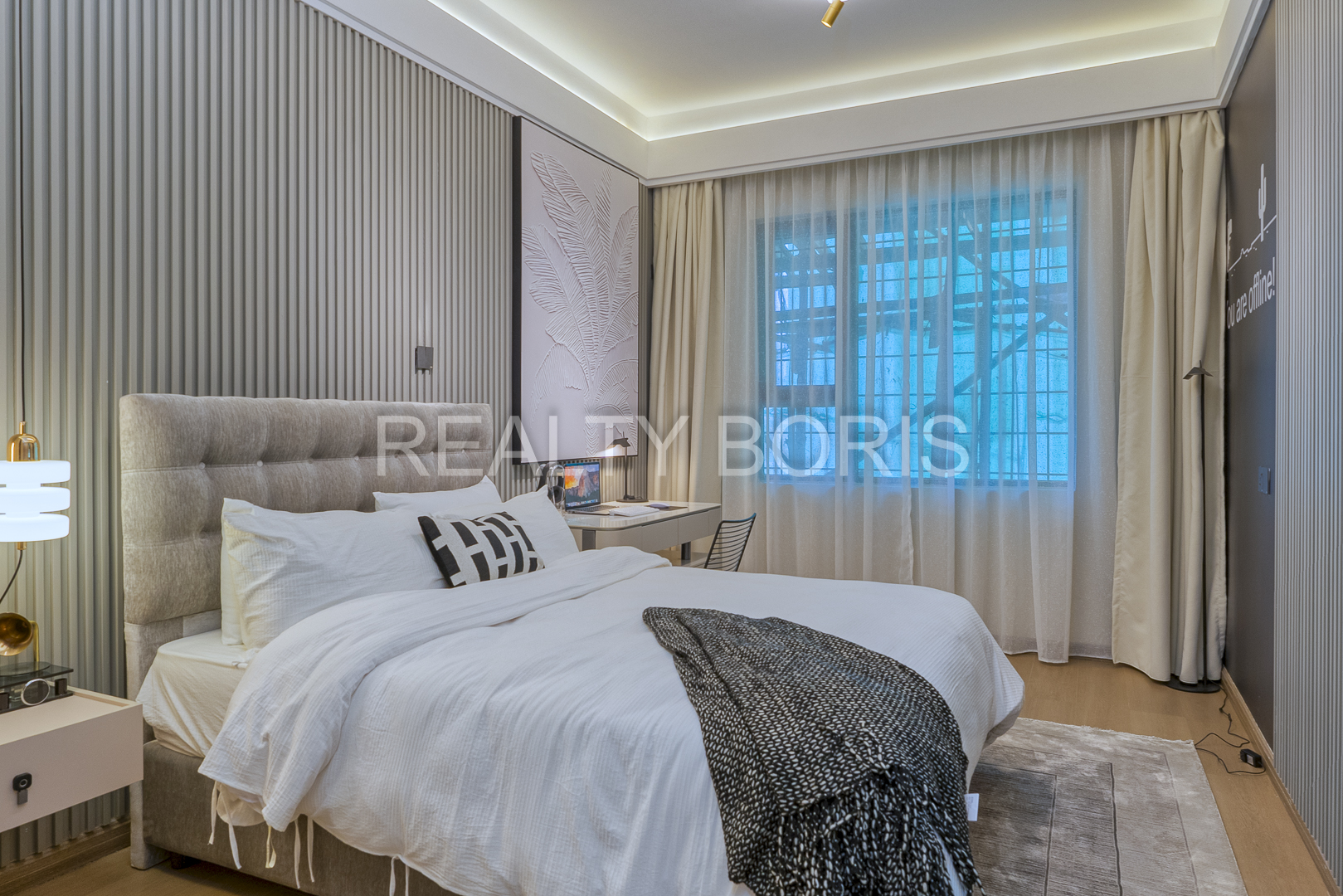

Short-term rentals (STR) in Nairobi’s prime upmarket suburbs have matured into a high-velocity, high-ROI strategy in 2026 — driven by corporate relocations, expat assignments, digital nomads, business travelers, and weekend leisure visitors. Westlands and Kilimani dominate this segment: Westlands as the lifestyle and entertainment epicenter, Kilimani as the leafy, family-friendly alternative with strong professional appeal.
For STR investors, 1-bedroom and studio units are the clear leaders — offering the best combination of low entry capital, high percentage yields, rapid turnover, low vacancy risk, and scalability. These compact units attract the largest tenant pool (young professionals, single expats, short-term assignees) while minimizing maintenance and operating costs compared to larger 2- or 3-bedroom units.
This practical 2026 guide compares short-term rental performance of 1-bedroom & studio units in Westlands vs Kilimani — covering pricing, nightly rates, occupancy patterns, yields, cash flow, tenant profiles, costs, risks, and decision factors — so you can choose the right suburb and unit size to maximize your STR returns.
1. Why 1-Bedroom & Studio Units Dominate Short-Term Rentals
Smaller units outperform larger ones in STR for structural reasons:
- Broadest tenant pool — Solo expats, young professionals, DINK couples, short-term corporate assignees, digital nomads — the fastest-growing renter segment in Nairobi.
- Highest cash-on-cash ROI — Low purchase price + high nightly rates = superior returns on invested capital (often 15–22% with 20% down).
- Fastest turnover — Shorter stays (3–90 nights) mean more bookings per year and less lost income during voids.
- Lowest operating costs — Easier cleaning, lower utilities, simpler furnishing — margins stay high.
- Easiest scalability — Multiple units possible with the same budget needed for one large apartment.
2026 trend: Short-term corporate & expat demand continues rising (tech/finance growth, hybrid work), while family long-term rentals remain slower-moving — making 1-bed & studios the velocity kings.
2. Westlands vs Kilimani: Location & Demand Drivers

- Westlands — High-energy, short-stay capital – Nightlife, restaurants, malls (Sarit, Village Market), co-working, offices – Tenant mix: young expats, digital nomads, corporate short-term (1–6 months), weekend leisure – Seasonality: Higher weekends/events, moderate corporate dips – Pricing power: Highest nightly rates in Nairobi
- Kilimani — Leafy, balanced professional haven – Yaya Centre, schools, hospitals, quieter residential feel – Tenant mix: young professionals, small families, mid-level expats (longer 6–24 months) – Seasonality: Very low — more consistent year-round – Pricing power: Slightly lower rates but higher occupancy stability
Core difference: Westlands maximizes peak ADR & short-stay volume; Kilimani maximizes occupancy stability & longer stays.
3. Pricing & Entry Capital (Mid-2026)
- Studio units Westlands: KES 22–38 million (avg ~KES 28M) Kilimani: KES 16.5–32 million (avg ~KES 22M)
- 1-bedroom units Westlands: KES 25–42 million (avg ~KES 32M) Kilimani: KES 18–35 million (avg ~KES 24M)
Edge: Kilimani offers 15–25% lower entry — better for portfolio builders.
4. Short-Term Rental Performance
- Studio units Westlands: ADR KES 10,000–18,000; occupancy 78–90%; gross yield 8.5–11% Kilimani: ADR KES 8,500–15,000; occupancy 85–94%; gross yield 7.5–10%
- 1-bedroom units Westlands: ADR KES 12,000–22,000; occupancy 75–88%; gross yield 8.0–10.5% Kilimani: ADR KES 9,500–18,000; occupancy 82–92%; gross yield 7.5–9.5%
Net cash flow (short-term, 80% occupancy):
- Westlands 1-bed: KES 220,000–380,000/month
- Kilimani 1-bed: KES 180,000–320,000/month
Winner: Westlands leads for maximum cash flow (higher ADR); Kilimani wins for stability (higher occupancy).
5. Monthly Operating Costs (Short-Term Model)
- Service charge: KES 9,000–22,000/month
- Cleaning/laundry: KES 15,000–40,000/month
- Platform fees + utilities: KES 15,000–35,000/month
- Total average: KES 39,000–97,000/month
Advantage: Costs are low relative to revenue — especially for studios.
6. Capital Appreciation & Liquidity

- Appreciation: 7.5–11.5% YoY (Westlands slightly higher from commercial growth)
- Resale liquidity: Very high (young professionals/investors upgrading)
- Exit speed: 4–10 weeks
Edge: Both suburbs are highly liquid — studios move fastest.
7. Which Wins for Different Investor Profiles?
| Goal | Best Choice 2026 | Why |
|---|---|---|
| Maximum short-term cash flow | 1-bedroom in Westlands | Highest ADR + volume |
| Highest % yield on capital | Studio in Westlands | Highest gross yield |
| Lowest vacancy & longest stays | 1-bedroom in Kilimani | More stable tenants |
| Lowest monthly operating cost | Studio in Kilimani | Cheaper to run |
| Portfolio building (scale) | Studio in Kilimani | Lowest entry |
| Strongest long-term appreciation | 1-bedroom in Westlands | Commercial premium |
| Hybrid (live-in + STR income) | 1-bedroom in Kilimani | More family-friendly |
Bottom line for 2026:
- Choose Westlands for maximum short-term cash flow and peak pricing power.
- Choose Kilimani for higher occupancy stability and lower volatility.
- Choose 1-bedroom for absolute income; studio for highest % yield.
Call to Action: Ready to explore 1-bedroom or studio units in Westlands or Kilimani for strong short-term rental returns? Visit Realty Boris offices today for a private, in-depth discussion with our expert team. We’ll show you current high-demand listings and help you maximize your ROI. Contact us to schedule your visit and take the next step toward building your elite portfolio.