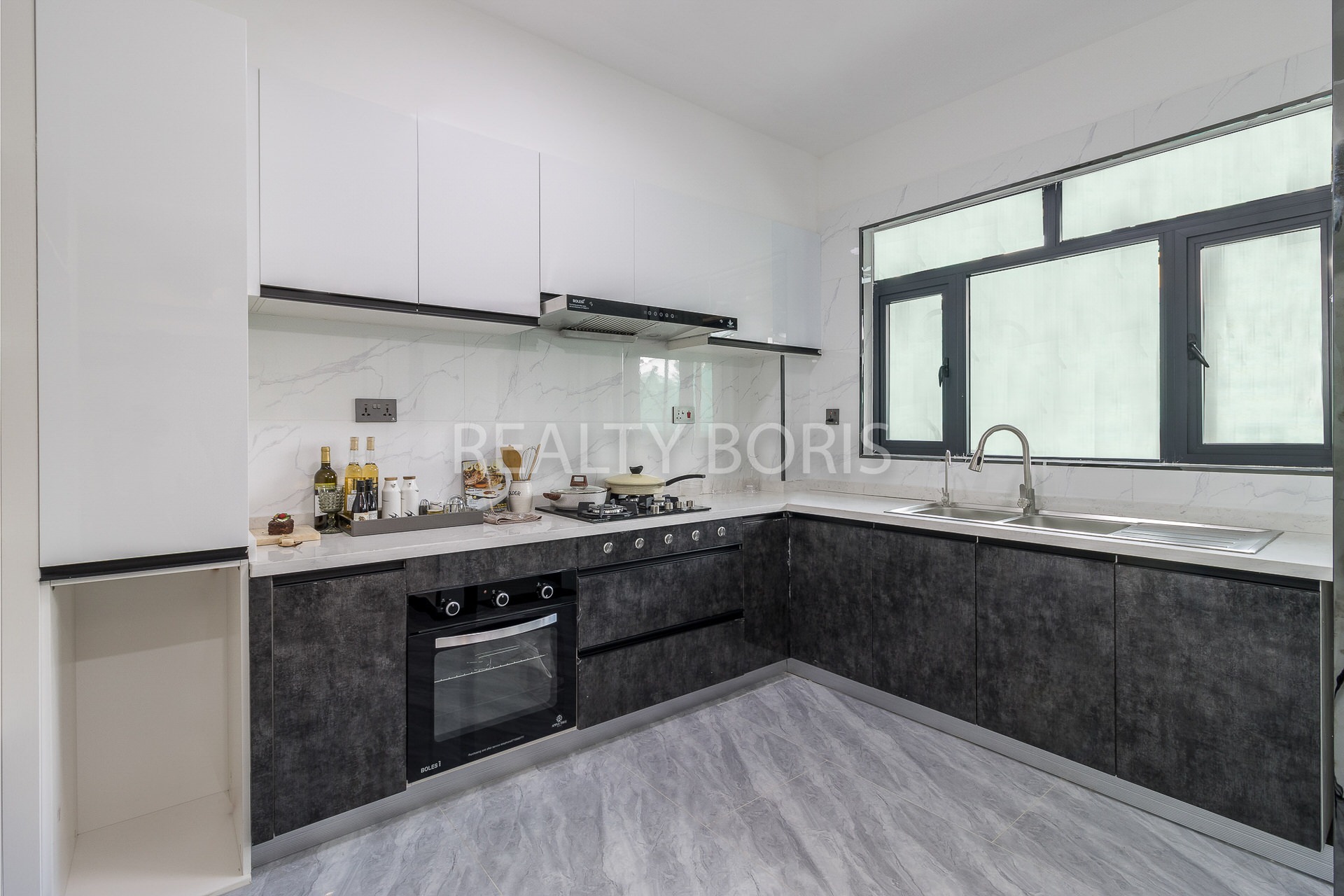


Nairobi’s rental market in 2026 has undergone a clear structural shift: 1-bedroom and 2-bedroom apartments now dominate rental demand across prime upmarket suburbs — Kilimani, Westlands, Kileleshwa, Lavington, Riverside, Spring Valley, and select Karen fringes. Larger 3- and 4-bedroom units still command premium rents and strong appreciation, but the volume, velocity, occupancy stability, and overall investor returns have tilted decisively toward smaller units.
This trend is not temporary — it reflects deep demographic, economic, and lifestyle changes in Nairobi’s professional and expat community. Young professionals (25–35), single expats, DINK couples (double income no kids), mid-level corporate relocations, digital nomads, and small families starting out now form the largest and most active renter segment. These groups prioritize location, convenience, affordability, and flexibility over large square footage — driving unprecedented demand for 1- and 2-bedroom units.
This educative 2026 overview explains the key trends behind why 1- and 2-bedroom units lead rental demand in Nairobi — going beyond statistics to explore tenant psychology, market positioning, economic drivers, short-term vs long-term patterns, and what this means for investors choosing unit sizes in prime suburbs.
1. Demographic & Lifestyle Shift: Who Is Renting in 2026?
The core reason 1- and 2-bedroom units dominate rental demand is simple: they match the lifestyles of Nairobi’s fastest-growing renter group.
- Young professionals (25–35) — Majority of new job entrants, hybrid workers, fintech/startup employees. They want central locations, co-working proximity, nightlife, gyms — not large homes.
- Single expats & DINK couples — On 1–3 year contracts, focused on career, travel, social life. Extra bedrooms feel wasteful.
- Mid-level corporate relocations — Companies prefer cost-efficient housing for assignees — 1- or 2-bedroom units fit budgets better.
- Small families starting out — 1 child or planning more; they want space but not villa-level costs/maintenance.
- Digital nomads & postgraduate students — Short stays (3–12 months), prioritize flexibility and location.
Result: This segment now accounts for 60–75% of active rental demand in prime suburbs — dwarfing traditional family renters who seek 3+ bedrooms.
2. High Occupancy & Low Vacancy: The Numbers Tell the Story
- 1-bedroom units Occupancy: 85–94% (highest in prime suburbs) Vacancy risk: Very low (2–5 weeks letting time) Average stay: 12–24 months long-term, 7–30 nights short-term
- 2-bedroom units Occupancy: 82–92% Vacancy risk: Low (3–7 weeks) Average stay: 18–36 months long-term, 10–45 nights short-term
- 3- and 4-bedroom units Occupancy: 80–88% Vacancy risk: Moderate (4–12 weeks) Average stay: 24–60+ months (longer, but fewer tenants)
Why smaller units win occupancy: Broader tenant pool + shorter decision cycles = faster re-letting. Larger units depend on a narrower, more cautious family segment — leading to longer voids.
3. Rental Yields & Cash Flow Velocity
- 1-bedroom units Gross yield: 7.5–10% (furnished/short-term often 9–11%) Cash-on-cash ROI (20% down): 12–18%
- 2-bedroom units Gross yield: 6.8–9.5% (furnished/short-term 8–10.5%) Cash-on-cash ROI: 11–16%
Why 1- and 2-bedroom units lead:
- Higher % yields on lower capital
- Faster turnover = less lost income
- Lower holding costs (35–60% less than 3-bed)
- Short-term upside (Airbnb-style) pushes yields higher in Westlands/Kilimani
4. Capital Appreciation & Resale Liquidity
- 1-bedroom units Appreciation: 7–11% YoY Liquidity: Very high (young professionals/investors upgrading)
- 2-bedroom units Appreciation: 7.5–12% YoY Liquidity: High (families, couples)
Edge: Both unit sizes appreciate well, but 2-bedrooms slightly lead due to family demand. Resale is fast for both — smaller units move quicker overall.
5. 2026 Trends Driving Demand for 1- & 2-Bedroom Units
- Expat & corporate influx — Short- and mid-term assignments continue rising (tech/finance growth).
- Hybrid work & career mobility — Fewer families commit long-term; more singles/couples rent flexibly.
- Affordability squeeze — Rising costs push first-time families toward 2-bedrooms instead of villas.
- Short-term rental boom — Airbnb/Booking demand favors 1- and 2-bedrooms for quick turnover.
- Sustainability & efficiency — Smaller units align with lower energy use and easier maintenance.
Outcome: Smaller units are more resilient to economic cycles — families delay large moves, but professionals keep renting.
6. When 3- or 4-Bedroom Units Still Win

- Long-term family owner-occupiers needing space
- Legacy/absolute growth plays (higher prestige)
- Investors targeting high-income families/diplomats
Final Verdict – 2026 Rental Demand Leader
1- and 2-bedroom units lead rental demand in Nairobi because they match the city’s fastest-growing renter segment: mobile professionals, expats, and small households who prioritize location, convenience, and flexibility over large space.
- 1-bedroom units win for highest % ROI, fastest turnover, and portfolio scale.
- 2-bedroom units win for best overall balance — strong income, family appeal, and appreciation.
Bottom line: In 2026, if you want to capture the dominant rental demand wave in prime Nairobi suburbs, focus on 1- and 2-bedroom apartments — they deliver the highest occupancy, most consistent cash flow, and greatest investor efficiency.
Call to Action: Ready to explore 1-bedroom or 2-bedroom apartments in Kilimani, Westlands, Kileleshwa, Lavington, or other prime suburbs? Visit Realty Boris offices today for a private, in-depth discussion with our expert team. We’ll show you current high-demand listings and help you choose the best unit size for your investment goals. Contact us to schedule your visit and take the next step toward building your elite portfolio.