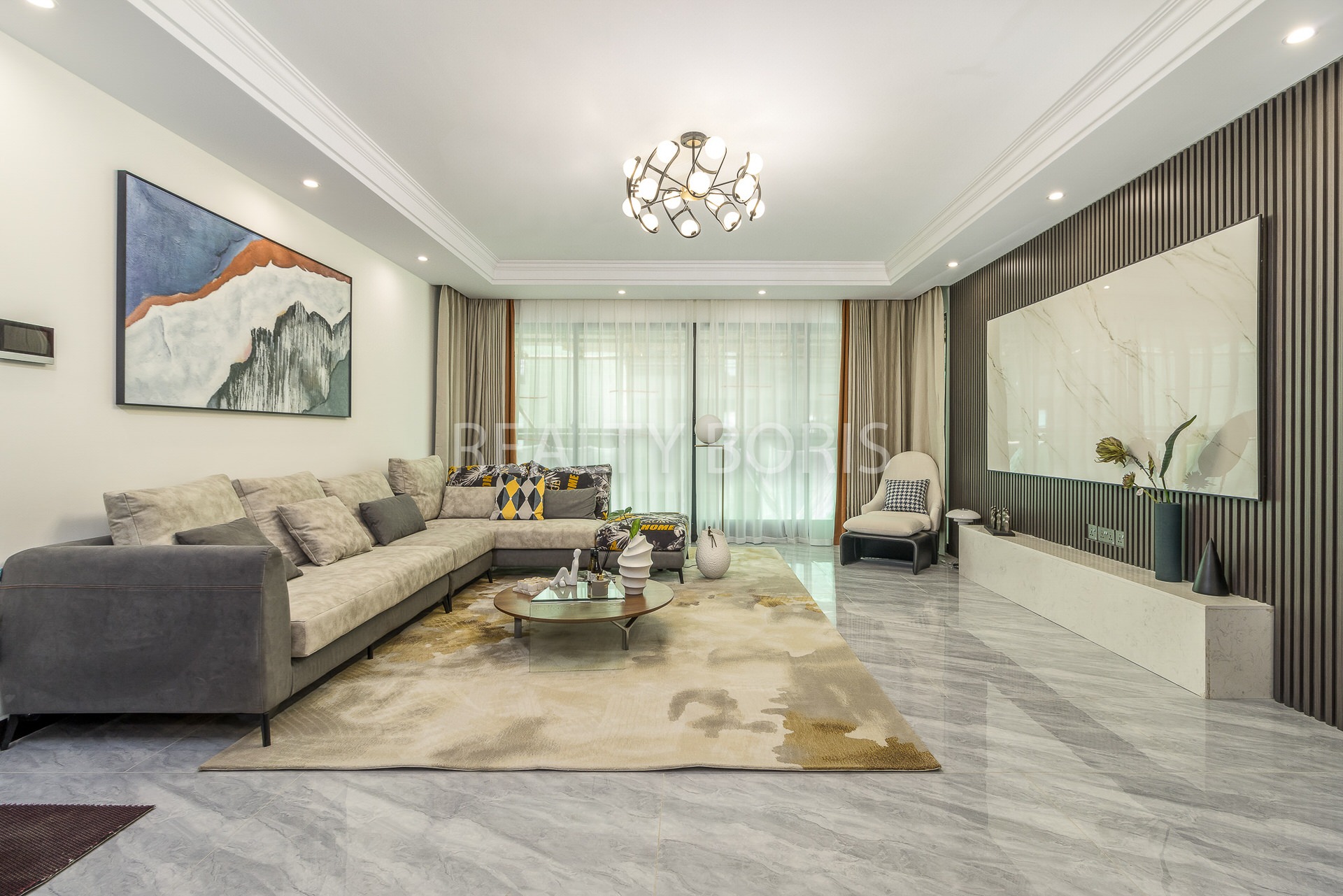
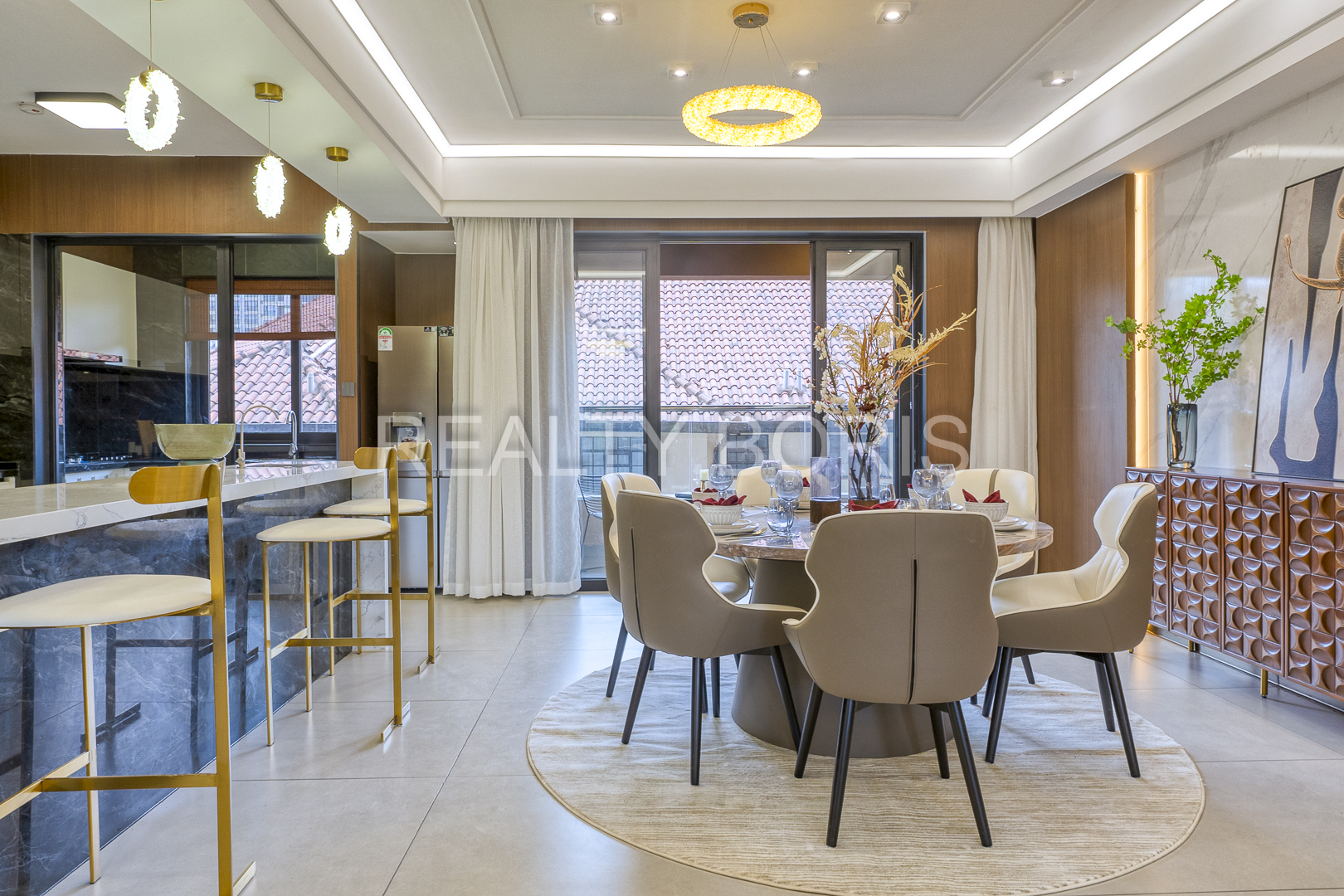

Nairobi’s upmarket apartment market in 2026 offers a clear hierarchy of unit types — studio, 1-bedroom, 2-bedroom, and 3-bedroom — each serving distinct investor goals, tenant profiles, and time horizons. Choosing the right apartment unit type is one of the most important decisions an investor makes, because it directly determines:
- Entry capital required
- Percentage yield vs absolute cash flow
- Tenant demand and vacancy risk
- Turnover speed and management effort
- Capital appreciation potential
- Portfolio scalability
- Lifestyle/legacy fit (if owner-occupying or passing to family)
This educative 2026 guide explains the real-world differences between apartment unit types in prime Nairobi suburbs (Kilimani, Westlands, Kileleshwa, Lavington, Riverside) — going beyond basic numbers to explore tenant psychology, market positioning, holding realities, resale behaviour, and economic resilience — so you can match the right unit size to your investment strategy, risk tolerance, capital, and time horizon.
1. Studio Apartments – Maximum Yield Velocity, Lowest Entry
Typical profile: 35–65 sqm, open-plan, single occupant or couple without children. Price range (prime suburbs): KES 12–32 million (average ~KES 18–24M) Gross yield range: 7.5–10.5% (short-term often 9–11%) Cash-on-cash ROI (20% down): 14–20% Primary tenants: young professionals, single expats, digital nomads, short-term corporate stays, postgraduate students Occupancy & turnover: Very high (75–90%), fast turnover (1–5 weeks letting time) Holding cost: Lowest (KES 20,000–45,000/month total) Appreciation: 7–11% YoY Liquidity: Very high — broadest buyer/renter pool
Why studios win for certain investors: Lowest capital entry, highest percentage returns, fastest cash flow velocity, easiest to scale (multiple units possible with same budget). Ideal for portfolio builders and short-term rental operators.
Downsides: Lower absolute income, narrower long-term tenant pool, higher turnover effort.
2. 1-Bedroom Apartments – Balanced Entry-Level Champion
Typical profile: 55–85 sqm, 1 bed + 1–2 baths, open-plan living, balcony common Price range (prime suburbs): KES 16–35 million (average ~KES 22–28M) Gross yield range: 7.0–9.5% (furnished/short-term often 8.5–10%) Cash-on-cash ROI (20% down): 12–18% Primary tenants: young professionals, single expats, DINK couples, short-term corporate, postgraduate students Occupancy & turnover: High (80–92%), letting time 2–6 weeks Holding cost: Low (KES 22,000–50,000/month total) Appreciation: 7.5–11.5% YoY Liquidity: Very high
Why 1-bedrooms win for entry-level investors: Best combination of low entry capital, high % yields, broad tenant demand, fast turnover, and strong appreciation. They scale well (multiple units possible) and are highly liquid for exits.
Downsides: Lower absolute monthly income than 2+ bedroom units.
3. 2-Bedroom Apartments – The Goldilocks Zone
Typical profile: 90–140 sqm, 2 beds + 2–3 baths, open-plan living, balcony standard Price range (prime suburbs): KES 25–55 million (average ~KES 35–42M) Gross yield range: 6.5–9.0% (furnished/short-term 8–10%) Cash-on-cash ROI (20% down): 11–16% Primary tenants: young families (1 child), couples, mid-level expats, diplomats on mid-term contracts Occupancy & turnover: High (82–92%), letting time 3–7 weeks Holding cost: Moderate (KES 30,000–70,000/month total) Appreciation: 8–12% YoY Liquidity: High
Why 2-bedrooms win overall balance: Strong absolute rents, broad tenant appeal (families + couples), solid appreciation, manageable costs. They deliver reliable income and growth without the volatility of studios or high cost drag of larger units.
Downsides: Higher entry and holding costs than 1-bedrooms.
4. 3-Bedroom Apartments – Stability & Absolute Income Play
Typical profile: 130–220 sqm, 3 beds + 2–3 baths, often study/store/balcony Price range (prime suburbs): KES 35–75 million (average ~KES 48–60M) Gross yield range: 6.0–8.5% Cash-on-cash ROI (20% down): 9–14% Primary tenants: families (1–3 children), mid-to-senior expats, diplomats on longer contracts Occupancy & turnover: Stable (85–93%), letting time 4–10 weeks Holding cost: Higher (KES 40,000–90,000+/month total) Appreciation: 8–13% YoY Liquidity: High but slower
Why 3-bedrooms win for certain investors: Highest absolute rental income, stronger appreciation from family scarcity, excellent long-term stability, strong resale to upgrading families.
Downsides: Lower % yields, higher entry/holding costs, narrower tenant pool.
5. Quick Decision Framework for Apartment Unit Types in 2026
| Investor Goal | Best Apartment Unit Type | Best Suburb Example | Why |
|---|---|---|---|
| Maximum cash-on-cash ROI | 1-bedroom | Westlands / Kilimani | Highest % return, lowest costs |
| Highest absolute monthly cash flow | 3-bedroom | Lavington / Kileleshwa | 2–3× higher rent |
| Lowest vacancy & fastest turnover | 1-bedroom | Westlands / Riverside | Broadest tenant pool |
| Lowest monthly holding cost | Studio / 1-bedroom | Kilimani / Riverside | 40–70% cheaper to own |
| Strongest long-term appreciation | 3-bedroom | Karen fringes / Lavington | Family scarcity premium |
| Portfolio building (scale) | Studio / 1-bedroom | Kilimani / Westlands | Lowest entry, easiest to multiply |
| Pure owner-occupier family lifestyle | 3-bedroom | Lavington / Kileleshwa | Space for children/guests |
Bottom line for 2026:
- Studio & 1-bedroom apartments win for entry-level ROI, cash flow velocity, and portfolio scale.
- 2-bedroom apartments offer the best overall balance — solid yields, good income, and appreciation.
- 3-bedroom apartments are best for absolute income, family stability, and long-term growth — if you can afford the premium.
Call to Action: Ready to choose the right apartment unit type in Kilimani, Westlands, Kileleshwa, Lavington, or other prime suburbs? Visit Realty Boris offices today for a private, in-depth discussion with our expert team. We’ll show you current high-performing listings across unit sizes and help you select the best fit for your investment strategy. Contact us to schedule your visit and take the next step toward building your elite portfolio.