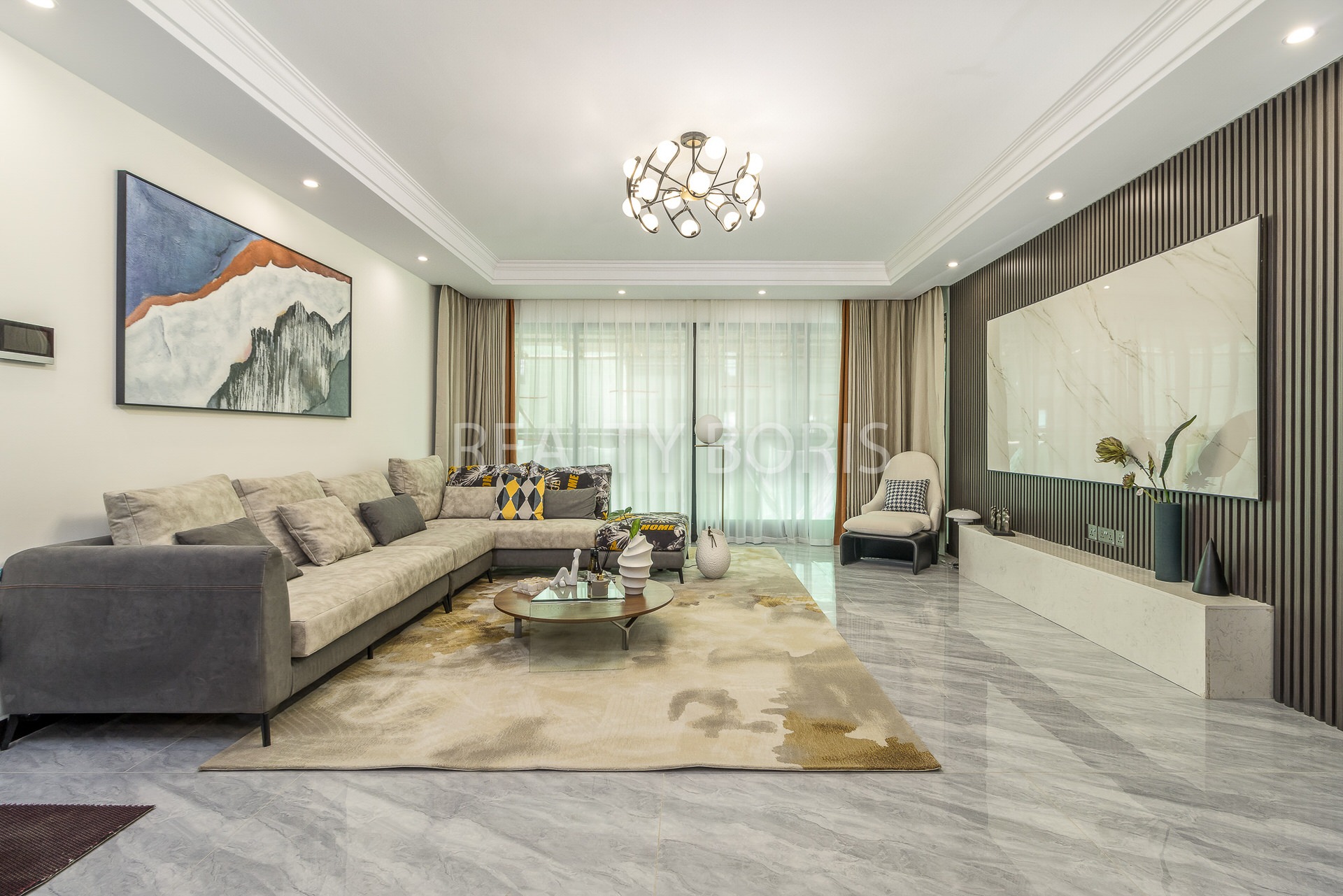
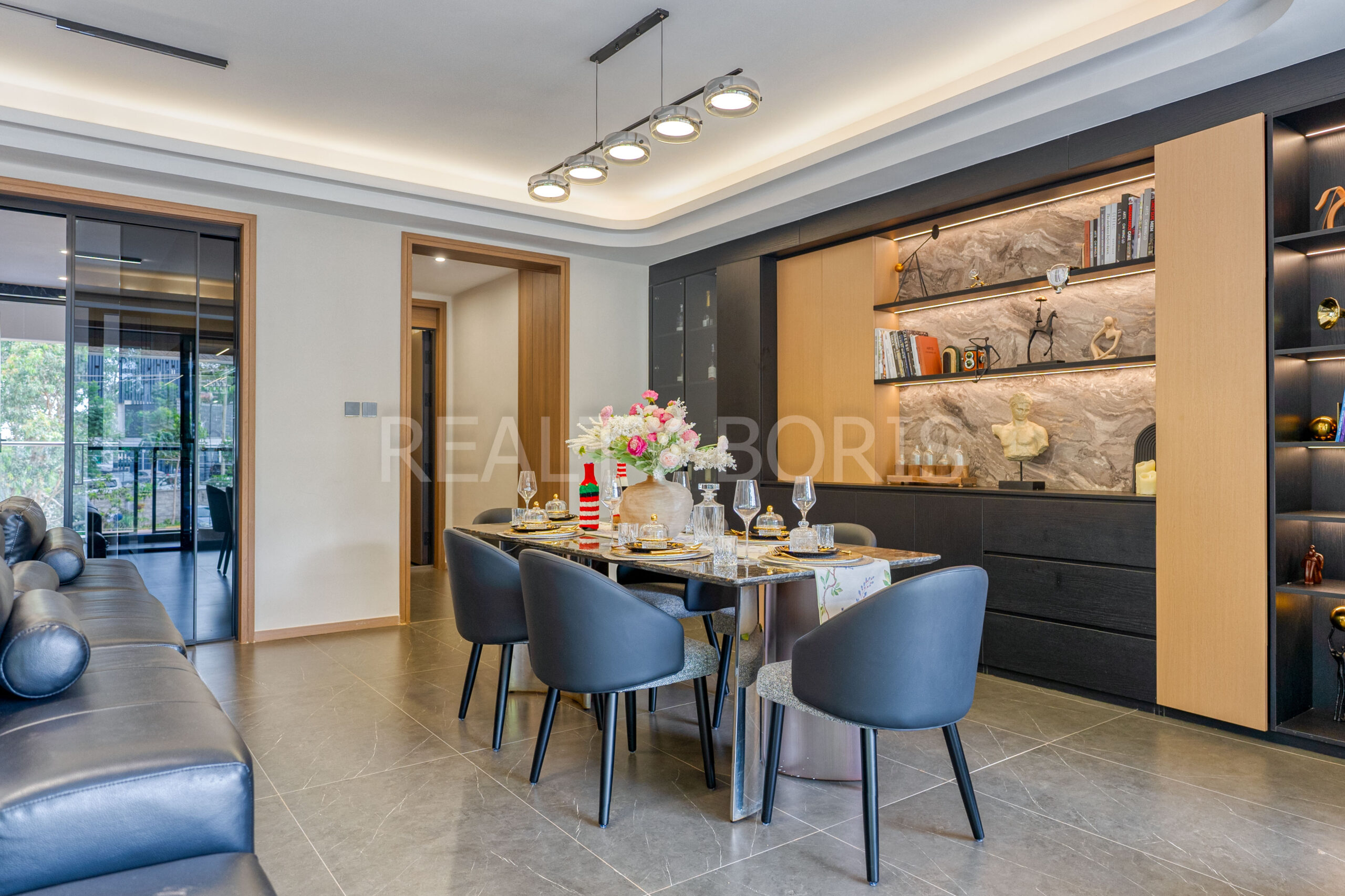

Kilimani remains one of Nairobi’s most consistent and versatile upmarket investment suburbs in 2026 — a central, leafy neighbourhood that perfectly balances urban accessibility with residential charm. Its walkable streets, proximity to Yaya Centre, international schools, hospitals, co-working spaces, and fast links to Westlands and the CBD keep demand high from young professionals, expatriates, small families, and investors seeking both lifestyle and strong returns.
When choosing between a 1-bedroom and a 2-bedroom apartment in Kilimani, investors face a clear and practical decision: 1-bedroom units typically offer higher percentage yields and faster cash flow velocity, while 2-bedroom units provide stronger absolute rental income, broader tenant appeal, and slightly better long-term capital appreciation. The “winner” depends entirely on your investment horizon, risk tolerance, capital available, and whether you prioritize yield efficiency or total income + growth.
This 2026 comparison goes beyond surface numbers to explain the real-world dynamics — tenant psychology, market positioning, lifestyle fit, resale behaviour, and economic resilience — so you can decide which unit size in Kilimani aligns best with your strategy.
1. Entry Capital & Affordability Gap (Mid-2026 Averages)
- 1-bedroom apartments in Kilimani Size: 55–85 sqm Price range: KES 16.5–32 million Average entry: KES 22–24 million Down payment (20–30%): KES 3.3–9.6 million
- 2-bedroom apartments in Kilimani Size: 90–140 sqm Price range: KES 25–48 million Average entry: KES 34–38 million Down payment: KES 6.8–11.4 million
Reality: 2-bedroom units require 50–80% more capital — a meaningful barrier for first-time or portfolio-building investors. This gap drives the core ROI difference: smaller units generate returns on less invested money.
2. Rental Yields & Cash-on-Cash Returns

Cash-on-cash ROI (net return on actual cash invested) is the key metric for most investors.
- 1-bedroom apartments in Kilimani Furnished long-term rent: KES 95,000–165,000/month Gross yield: 7.5–10% Net yield: 6.0–8.5% Cash-on-cash ROI (20% down): 12–18%
- 2-bedroom apartments in Kilimani Furnished long-term rent: KES 130,000–250,000/month Gross yield: 6.8–9.0% Net yield: 5.5–7.5% Cash-on-cash ROI (20% down): 10–15%
Takeaway: 1-bedroom units deliver 2–4% higher cash-on-cash ROI — a significant edge for investors focused on efficient returns on capital.
3. Tenant Demand & Vacancy Risk
- 1-bedroom apartments in Kilimani Tenant pool: young professionals, single expats, DINKs, short-term corporate stays, postgraduate students. Vacancy risk: Very low (2–5 weeks letting time) Demand volume: Highest segment — fastest turnover
- 2-bedroom apartments in Kilimani Tenant pool: young families, couples, mid-level expats, diplomats on 2–4 year contracts. Vacancy risk: Low (3–7 weeks) Demand volume: Strong but narrower
Winner: 1-bedroom units have faster turnover and lower vacancy — reducing lost income and increasing effective ROI.
4. Monthly Holding Costs & Cash Flow Efficiency
- 1-bedroom apartments in Kilimani Service charge: KES 9,000–16,000/month Utilities/maintenance: KES 8,000–20,000/month Total average: KES 17,000–36,000/month
- 2-bedroom apartments in Kilimani Service charge: KES 12,000–22,000/month Utilities/maintenance: KES 12,000–30,000/month Total average: KES 24,000–52,000/month
Advantage: 1-bedroom units cost 35–50% less to hold — preserving more net cash flow and boosting ROI.
5. Capital Appreciation & Exit Liquidity
- 1-bedroom apartments in Kilimani Appreciation: 7–11% YoY Resale liquidity: Very high (young professionals/investors upgrading)
- 2-bedroom apartments in Kilimani Appreciation: 8–12% YoY Resale liquidity: High (families, couples)
Winner: 2-bedroom units slightly lead on appreciation; both are highly liquid in Kilimani’s active market.
6. Lifestyle Fit & Owner-Occupier Perspective
- 1-bedroom apartments in Kilimani Best for: young professionals, single expats, couples without children, hybrid workers who value location over space. Lifestyle: Compact, low-maintenance, lock-and-leave.
- 2-bedroom apartments in Kilimani Best for: young families starting out, DINKs wanting a guest room/office, mid-level expats, or buyers planning longer-term residency. Lifestyle: More space for living, entertaining, small pets.
Winner: 2-bedroom units win for family/hybrid use; 1-bedroom for flexibility.
7. Which Wins for Different Investor Profiles in Kilimani 2026?
| Investor Goal | Best Choice in Kilimani 2026 | Why |
|---|---|---|
| Maximum cash-on-cash ROI | 1-bedroom apartment | Higher % return, lower costs |
| Highest absolute monthly cash flow | 2-bedroom apartment | 50–100% higher rent |
| Lowest vacancy & fastest letting | 1-bedroom apartment | Broader, faster tenant pool |
| Lowest monthly holding cost | 1-bedroom apartment | 35–50% cheaper to own |
| Strongest long-term appreciation | 2-bedroom apartment | Slightly higher growth |
| Portfolio building (multiple units) | 1-bedroom apartment | Lower entry, easier scaling |
| Owner-occupier family lifestyle | 2-bedroom apartment | More space for children/guests |
Bottom line for 2026 in Kilimani:
- Choose 1-bedroom apartments if your priority is better entry-level ROI, cash flow efficiency, low costs, and portfolio scale — the go-to for most entry-level and yield-focused investors.
- Choose 2-bedroom apartments if you want stronger absolute income, family stability, and balanced appreciation — ideal for mid-term investors or hybrid owner-occupiers.
Both unit sizes remain high-performing investments in one of Nairobi’s most resilient prime suburbs — the right choice depends on whether you’re optimizing for percentage return or total income + growth.
Call to Action: Ready to compare 1-bedroom or 2-bedroom apartments in Kilimani for your investment goals? Visit Realty Boris offices today for a private, in-depth discussion with our expert team. We’ll show you current high-ROI listings and help you choose the best unit size and strategy. Contact us to schedule your visit and take the next step toward building your elite portfolio.