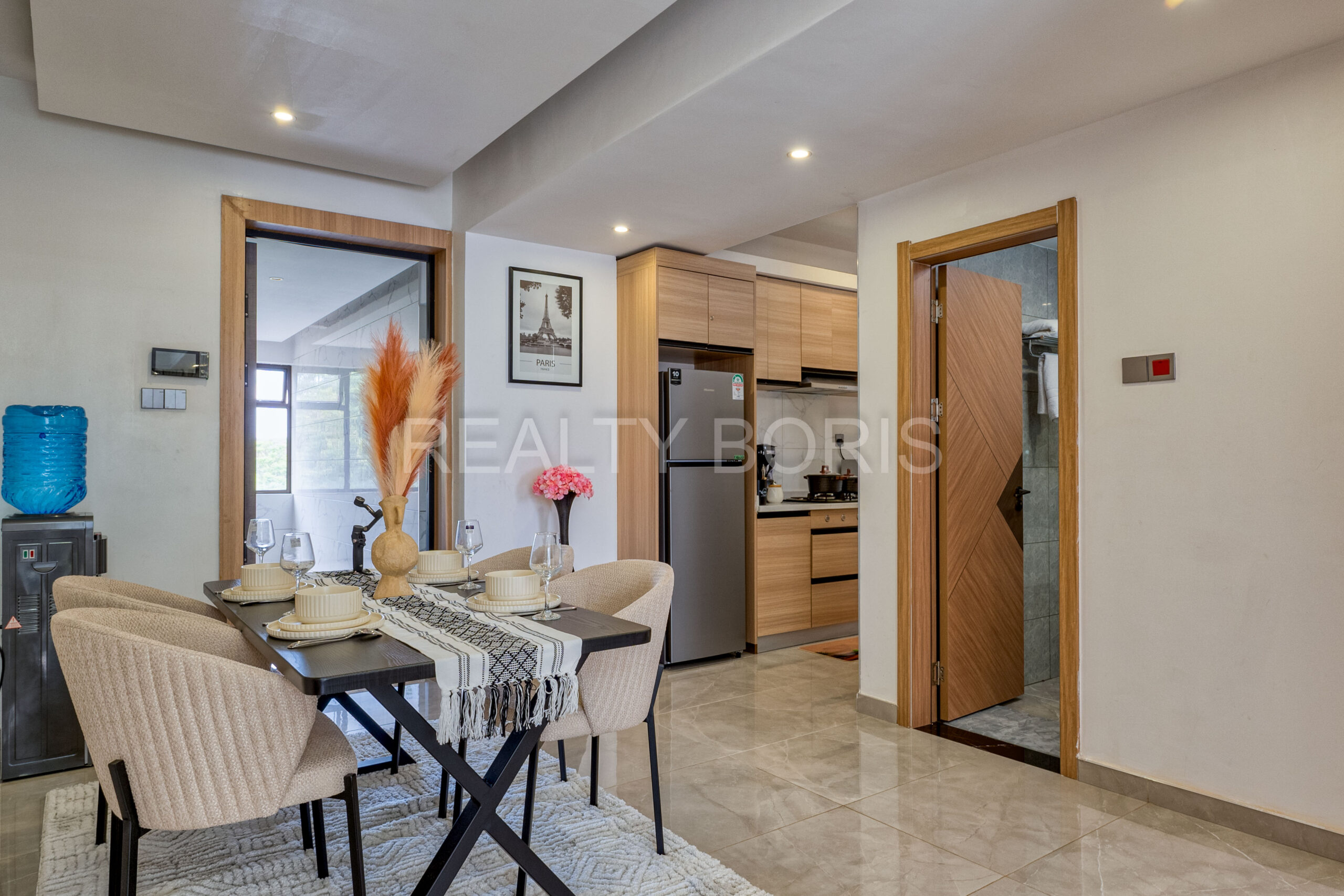

Mortgage or buying? This is the main question many property buyers struggle with especially around Kilimani .Kilimani stands out as one of Nairobi’s most sought-after upmarket neighborhoods in 2026, blending leafy tranquility with urban convenience. Proximity to Yaya Centre, international schools, co-working spaces, and major business hubs like Westlands attracts affluent professionals, expatriates, and families.
Average property prices for modern 2-3 bedroom apartments or townhouses range from KES 20-45 million, with gross rental yields often 7-8.5% (higher for furnished units) and steady capital appreciation of 8-12% annually, driven by limited supply and strong demand. For high-net-worth individuals and executives eyeing a house in Kilimani, securing a mortgage is a smart path to ownership—leveraging Kenya’s easing monetary environment (CBK benchmark at 9% as of late 2025) and competitive bank offerings.
Getting a mortgage to buy a house in Kilimani requires careful preparation, as lenders prioritize stable income, clean credit, and property viability. With average mortgage rates hovering 14-18% (e.g., Stanbic ~15-16%, Equity ~15-16%, NCBA ~16-18%, KCB ~16-17% per recent CBK and bank data), loans typically cover 70-90% of value (higher for salaried/check-off clients), with terms up to 20-25 years. This guide provides an insightful, step-by-step roadmap tailored for Nairobi’s elite buyers.
1. Assess Your Financial Readiness and Affordability
Before approaching banks, calculate what you can afford. Lenders apply a debt-service ratio (DSR) of no more than 1/3 to 1/2 of gross monthly income for mortgage payments. Use online calculators (e.g., from NCBA or KCB sites) to estimate: For a KES 30M house in Kilimani, with 20% down payment (KES 6M), a 20-year loan at 16% might cost ~KES 400,000-450,000 monthly.
Build a strong profile: Maintain a good credit score via CRB (no defaults), save for 10-30% down payment plus closing costs (~8-12% of value), and ensure steady income (salaried preferred; self-employed need audited accounts).
2. Gather Essential Documents and Requirements
Kenyan banks require standard proofs under CBK guidelines:
- Valid ID/passport and two passport photos.
- KRA PIN certificate.
- Three recent payslips (salaried) or audited financials/ITR (3 years for self-employed/business owners).
- Six months’ certified bank statements.
- Employment letter or business registration.
- Proof of down payment source.
- For diaspora: Remittance proofs and passport.
Pre-approval strengthens offers—many lenders provide this within 7-14 days after submission.
3. Research and Compare Mortgage Lenders
Major players include Stanbic (competitive for high-net-worth ~15%), Equity (~15-16%), KCB (~16-17%), NCBA (~16-18%), and others like Housing Finance or Standard Chartered. Compare via CBK’s interest rate reports or bank sites—focus on effective rates (including fees), tenor flexibility, and prepayment penalties.
For Kilimani properties, banks value the area’s low-risk profile (high occupancy, strong resale). Some offer preferential rates for prime suburbs.
4. Get Pre-Approved for Your Mortgage
Submit application with documents for pre-approval letter—outlining approved amount, rate, and terms. This boosts negotiation power when viewing houses in Kilimani. Process takes 2-4 weeks; banks conduct preliminary credit checks and affordability assessment.
5. Identify and Offer on Your Ideal House in Kilimani
Search gated apartments or townhouses in prime pockets (e.g., near Yaya or Argwings Kodhek Road). Engage professionals: Realty advisor for listings, valuer for fair pricing.
Make an offer (often 5-10% booking deposit, refundable if mortgage fails). Include subject-to-finance clause.
6. Conduct Due Diligence and Property Valuation
Your lawyer performs Ardhisasa title search (clean title essential—no caveats/encumbrances). Bank orders independent valuation (cost ~KES 50,000-100,000) to confirm market value. For Kilimani, expect alignment with recent sales (e.g., 3-bed ~KES 30-40M).
Secure consents (county, NEMA if needed) and rates clearance.
7. Finalize Loan Approval and Legal Transfer
Upon valuation, bank issues formal offer letter (accept within timeframe). Pay commitment fees (~1%). Lawyer drafts sale agreement; pay balance, stamp duty (4% urban on higher of price/valuation), legal fees (1-2%), registration.
Funds disburse directly to seller upon completion.
8. Complete Purchase and Take Possession
Register transfer at Lands Registry; receive title. Budget ongoing costs: Land rates (Nairobi County revised 2026: ~KES 2,500-5,000/year for typical plots), insurance, maintenance.
Post-purchase: Enjoy Kilimani’s lifestyle—proximity to amenities, rental potential if not primary residence.
Securing a mortgage to buy a house in Kilimani in 2026 positions you in one of Nairobi’s most resilient upmarket markets—blend financial discipline with professional guidance for optimal results.
Call to Action: Ready to turn insights into action in Nairobi’s premium real estate market? Visit Realty Boris offices today for a private, in-depth discussion with our expert team. We’ll provide personalized strategies tailored to your goals—whether securing a mortgage for a luxury house in Kilimani or exploring high-value opportunities across upmarket suburbs. Contact us to schedule your visit and take the next step toward building your elite portfolio.