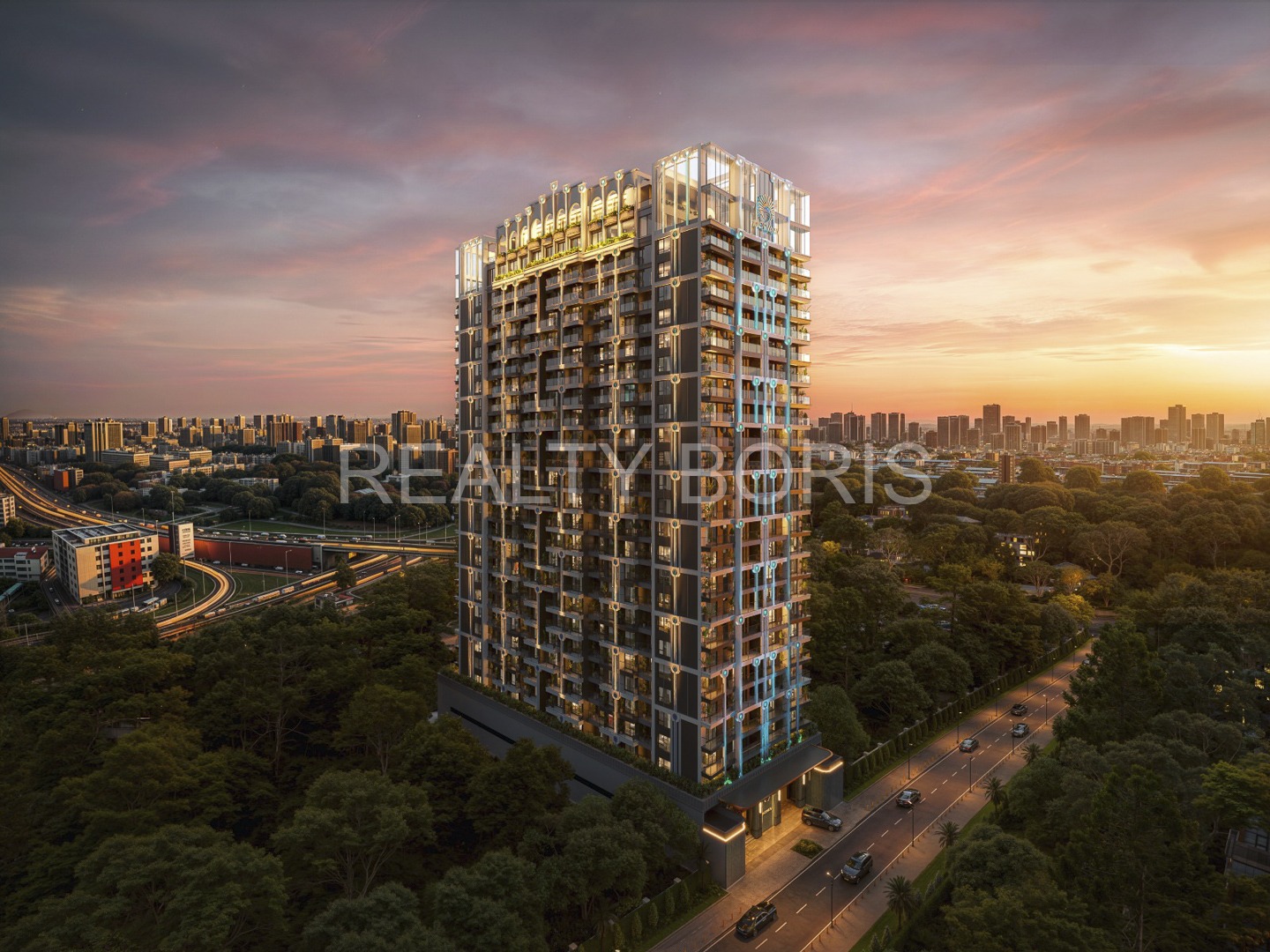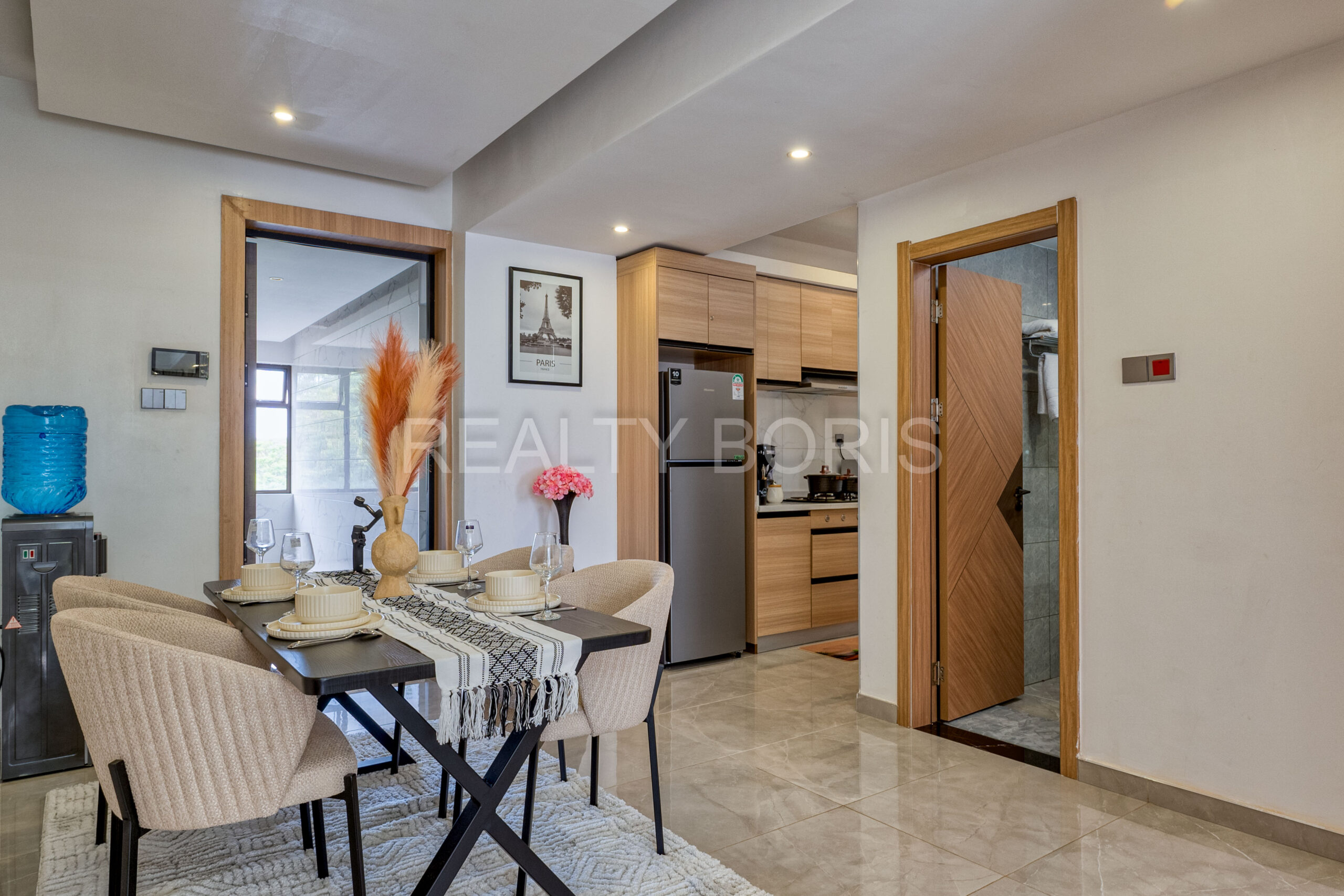

Inflation is no longer just a headline—it’s hitting school fees, groceries, fuel, construction costs, and everyday living expenses hard in 2026. For Nairobi’s high-net-worth families, inflation protection real estate Kenya has become one of the most reliable and proven ways to preserve purchasing power and grow wealth at the same time.
Why does luxury property in established upmarket suburbs continue to outperform most other asset classes during inflationary periods? Here are the 12 clearest, most powerful reasons in 2026.
1. Rents and Property Values Rise Faster Than General Inflation
Luxury rental rates in prime Nairobi suburbs (Karen, Runda, Lavington, Kitisuru, Muthaiga, Gigiri) have historically increased 8–14 % annually over the past 10 years — often outpacing official CPI inflation (which has averaged 6–9 % in the same period).
Even in softer rental markets, prime-location demand from expats, diplomats, senior executives, and returning diaspora keeps upward pressure on rents. When inflation spikes (as it did in 2022–2024), rents tend to catch up quickly because tenants have no choice but to pay more for safe, prestigious homes.
Real 2026 example: A 5-bed furnished house in Karen that rented for Ksh 550,000/month in 2021 was fetching Ksh 850,000–1.1 million in early 2026 — roughly 10.5 % compound annual rent growth while average inflation was ~8 %.
2. Fixed-Rate Mortgages Become Cheaper in Real Terms Over Time

If you locked in a mortgage at 12–14 % in 2024–2025, inflation at 10 % means your real interest cost is only 2–4 %. Every year inflation runs higher than your mortgage rate, the real value of your debt shrinks.
Real 2026 example: A Ksh 300 million mortgage at 13 % fixed (taken in 2025) with 10 % inflation over 5 years:
- Nominal debt stays Ksh 300 million
- Real (inflation-adjusted) debt drops to roughly Ksh 186 million in today’s money
- You effectively pay off the loan with “cheaper” future shillings.
This is one of the strongest wealth-transfer mechanisms during inflationary periods.
3. Replacement Cost Barrier – The Invisible Moat
Building a comparable new luxury home in prime Nairobi in 2026 costs Ksh 450–850 million (land + construction + approvals + finishes). When inflation pushes construction costs up 15–25 % in a single year, new builds become dramatically more expensive. Existing well-located homes suddenly look like a bargain — driving resale prices higher.
Real 2026 example: A 2015-built 5-bed in Runda that cost Ksh 280 million to build then would cost ~Ksh 680–900 million to rebuild today. That replacement-cost gap alone justifies a large portion of current market value.
4. Land Scarcity in Prime Suburbs Is Permanent
There is no new ½-acre or 1-acre land being created in Karen, Runda, Muthaiga or core Lavington. Demand keeps growing (population, diaspora returnees, wealth creation), while supply shrinks (subdivision restrictions, green belt policies). Land prices in these areas have risen 12–22 % annually on average since 2015 — far above inflation.
5. Luxury Demand Is Inelastic – The Rich Keep Buying
Even when inflation squeezes middle-class budgets, the top 1–5 % of earners (executives, business owners, returning diaspora, foreign investors) continue purchasing prestige addresses. They don’t downsize to apartments or satellite towns — they compete for the same limited pool of prime homes. This keeps upward pressure on prices regardless of broader economic pain.
6. Rental Income Often Indexed to Inflation or Dollar
Many luxury long-term leases in 2026 include:
- Annual escalation clauses (8–12 % or CPI-linked)
- Dollar-linked rents (especially diplomatic/corporate tenants) Your income rises automatically with (or ahead of) inflation — unlike fixed bank deposits or bonds.
7. Hard Tangible Asset with Utility & Emotional Value
Unlike stocks, bonds or crypto, luxury real estate:
- You and your family can live in it
- It provides shelter, security, lifestyle
- It produces emotional utility (memories, status, pride)
- In worst-case scenarios, it’s a physical asset you can control or occupy This makes it psychologically easier to hold through inflationary volatility.
8. Construction Cost Inflation Outpaces General CPI
Building materials (steel, cement, timber, imported finishes) and skilled labour often inflate 15–30 % in high-inflation years — faster than general consumer prices. New comparable homes become significantly more expensive → existing well-located stock gains relative value.
9. Currency Devaluation Hedge for Diaspora & Foreign Income
Many high-net-worth buyers hold savings in USD, GBP, EUR. When the shilling weakens (as it has consistently over decades):
- Your foreign currency buys more Kenyan property
- Property priced in shillings appreciates in foreign-currency terms Double benefit: currency gain + real estate appreciation.
10. Low Correlation with Equities & Bonds During Inflation Shocks
When stock markets correct or bonds lose value due to rising interest rates:
- Luxury real estate often holds or even gains (as a hard asset)
- It is not directly tied to corporate profits or central bank policy the same way This provides true portfolio diversification.
11. Lifestyle Inflation Hedge – You Don’t Have to Cut Back
During high inflation, many families cut holidays, cars, private schools, dining out. Luxury property owners in prime suburbs:
- Continue living in their beautiful home
- Enjoy the garden, pool, home cinema, security
- Host friends and family instead of paying for external venues
- Lifestyle stays rich while external costs rise
12. Generational Wealth Transfer That Beats Inflation
The home you buy in 2026:
- Your children inherit in 2050–2060
- Will likely still be one of the most desirable addresses in Nairobi
- Will have appreciated far beyond cumulative inflation
- Becomes the family seat for multiple generations The ultimate long-term inflation-beating asset.
Quick 2026 Inflation Protection Real Estate Kenya Summary Table
| Reason | How It Protects Against Inflation | Typical 10-Year Real-World Impact (prime suburbs) |
|---|---|---|
| Rents & values rise faster | Income & capital beat CPI | +150–300 % above inflation |
| Fixed-rate mortgage erosion | Debt shrinks in real terms | Real debt reduced 40–60 % |
| Replacement cost barrier | Existing homes gain premium | +Ksh 200–500 M relative value |
| Finite land supply | Scarcity drives price | Land value +300–600 % |
| Diaspora currency advantage | Foreign savings buy more | Extra 50–150 % gain in KES terms |
The Bottom Line
Inflation protection real estate Kenya in 2026 is not theory — it is proven history. Luxury homes in the right suburbs (Karen, Runda, Lavington, Kitisuru, Muthaiga) have consistently outpaced inflation, protected purchasing power, and delivered lifestyle that doesn’t shrink when costs rise.
The families who own them sleep better during uncertain times — because their biggest asset is working harder than inflation.
Want to know more about Inflation Protection Property Guide with suburb-specific forecasts, mortgage structuring tips, and how to position your next purchase for maximum hedge? Contact us today at Realty Boris today to learn more about real estate and property market protection especially in the event of inflation.