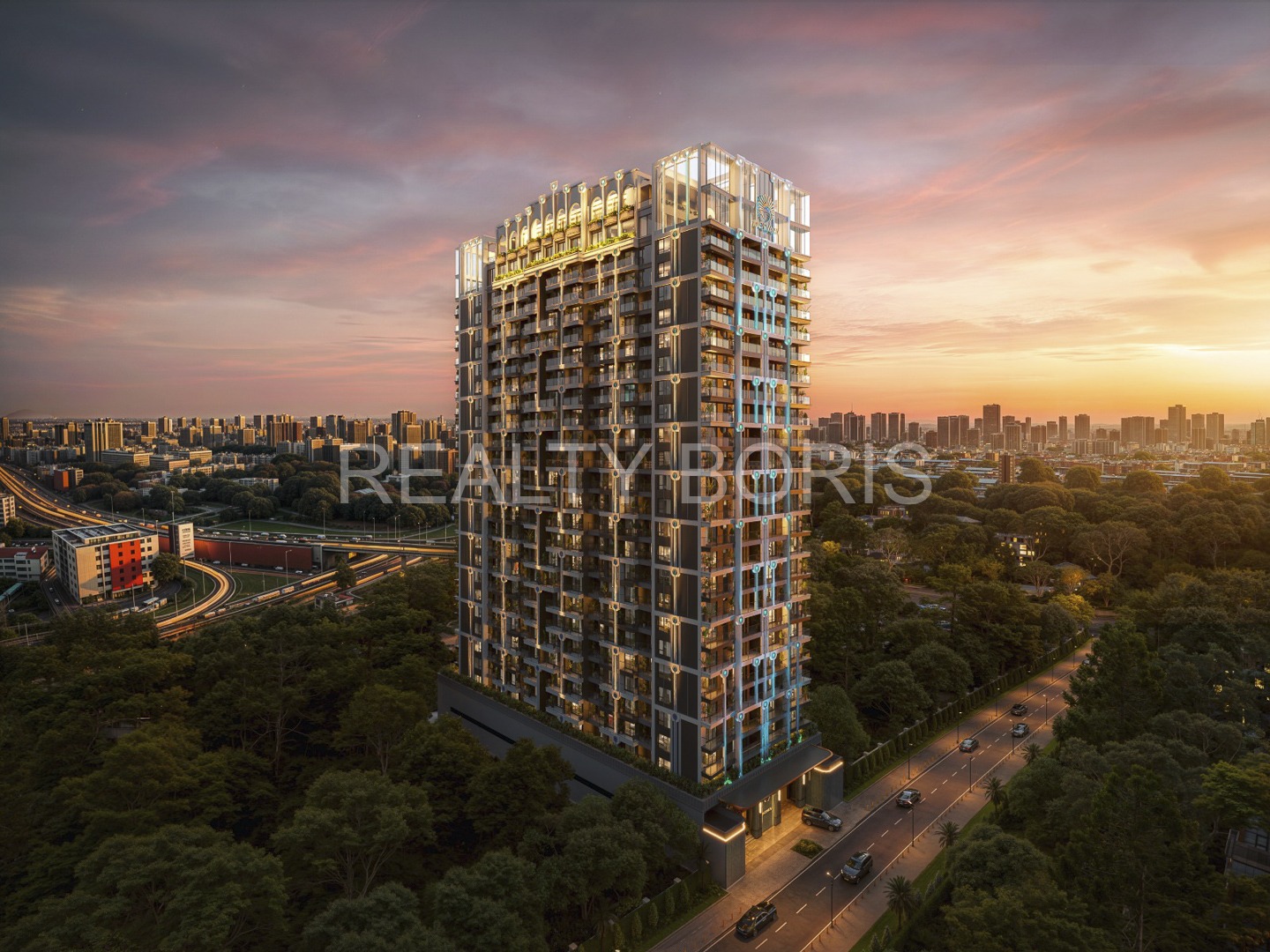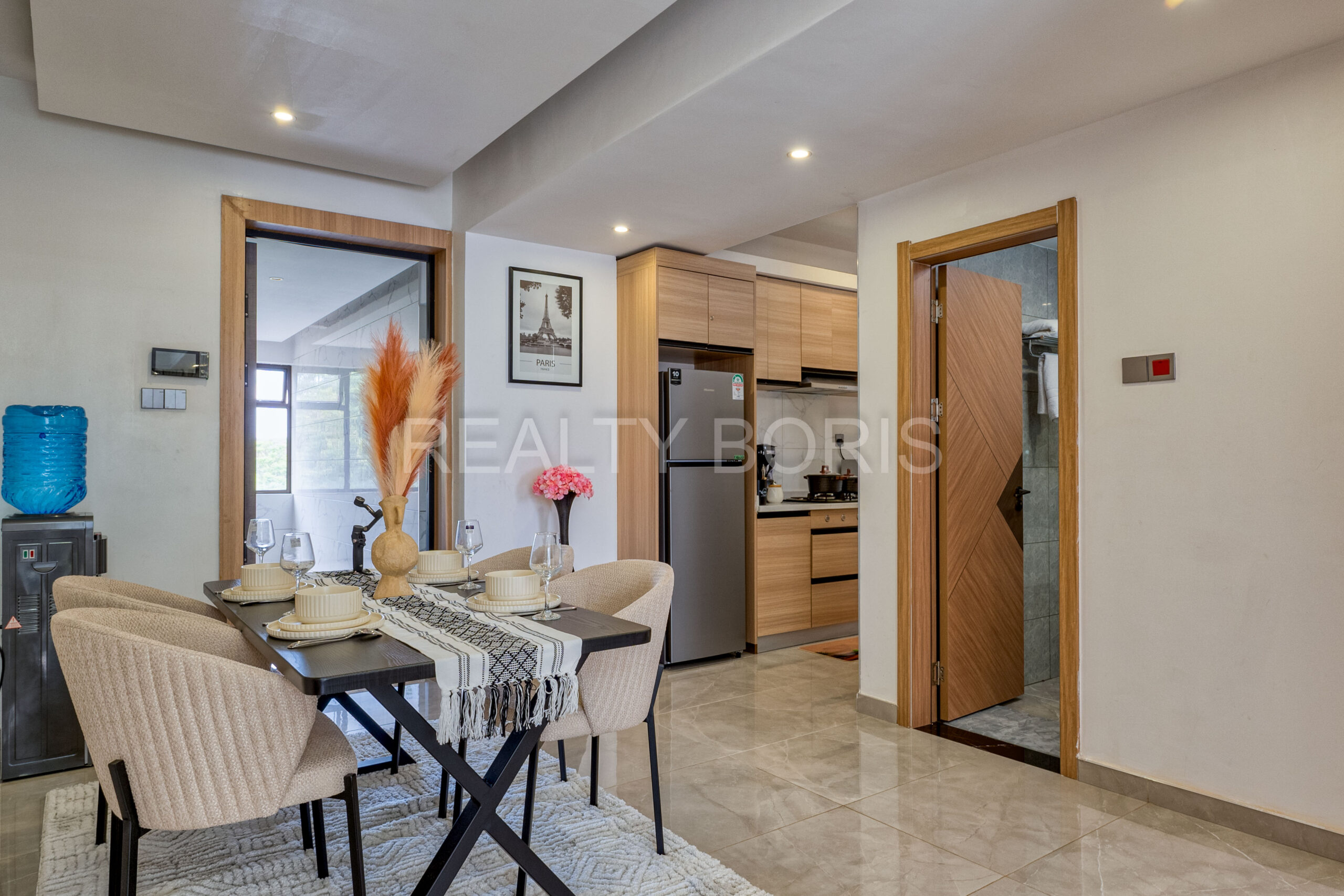


In 2026, the idea that you need Ksh 500–800 million in cash to own a meaningful piece of prime Nairobi real estate is outdated. Real estate crowdfunding Kenya has evolved from a niche experiment into a legitimate, regulated channel for high-net-worth individuals (and even some institutions) to gain exposure to luxury residential, commercial, and mixed-use assets with ticket sizes as low as Ksh 5–50 million.
The sector is still small compared to direct ownership, but it’s growing fast: total funds under management crossed Ksh 30 billion in late 2025, and new platforms are launching monthly. Below are the 12 most effective ways sophisticated investors are currently using crowdfunding to build or diversify luxury real estate exposure in Nairobi — with realistic returns, risks, and who each strategy suits best.
1. Fractional Ownership of Complete Luxury Villas or Mansions
The most emotionally satisfying entry point for many diaspora investors.
How it works: A platform pools capital to purchase a finished Ksh 600–900 million villa in Karen or Runda (or a new-build in Kitisuru Phase 2). You buy 5–25 % equity.
- Monthly rental income is distributed pro-rata (after 8–12 % management fee)
- You receive proportional capital gains when the property is sold (usually after 5–10 years)
- Some platforms offer 5–15 days per year personal usage rights (pro-rata)
- Exit usually via sale to a single buyer or secondary market sale of shares
Typical return profile (2026 data):
- Net rental yield: 5.5–7.8 %
- Capital appreciation: 12–18 % p.a. (aligned with prime suburb growth)
- Total IRR: 9–14 % over 7–10 years
Best for: Diaspora families who want a “home” in Nairobi without full ownership cost, plus rental income while they’re abroad.
2. REIT-Style Crowdfunding Pools Focused on Commercial & Mixed-Use
This is the most institutional-feeling option — closest to owning shares in a real estate investment trust.
How it works: Invest in a fund that owns a portfolio of Grade-A offices, retail podiums, or mixed-use towers (e.g., Westlands office blocks, Upper Hill medical suites, Two Rivers retail).
- Minimum ticket: Ksh 5–20 million
- Quarterly or semi-annual dividends (rental income minus costs)
- NAV (net asset value) updated annually by independent valuer
- Exit via redemption (if open-ended) or secondary market / IPO
Typical return profile (2026):
- Dividend yield: 7.0–9.5 %
- Capital appreciation: 4–8 % p.a.
- Total return: 9–14 % p.a.
Best for: Passive investors who want commercial real estate exposure without dealing with tenants, vacancies, or maintenance.
3. Debt Crowdfunding (Senior Secured Loans) for Luxury Developments
Lowest-risk entry into the sector — you’re a lender, not an owner.
How it works: You lend money to a vetted developer building a luxury gated community or mixed-use project.
- Secured by first legal charge on the land/title
- 12–36 month terms
- Interest paid monthly or rolled up
- Minimum ticket: Ksh 20–100 million
Typical return profile (2026):
- Fixed interest: 12–18 % p.a.
- Default risk very low when first-charge secured
Best for: Conservative investors who want predictable income similar to a high-yield bond but backed by real estate.
4. Equity Crowdfunding in Pre-Construction Luxury Estates
Higher risk, higher reward — classic venture-style real estate investing.
How it works: You buy equity in a special-purpose vehicle (SPV) that owns the land and development rights for a new gated luxury estate.
- Developer contributes land or expertise
- Your capital funds construction
- Exit via sale of completed homes or entire estate
- Minimum ticket: Ksh 30–100 million
Typical return profile (2026):
- Targeted IRR: 20–40 % over 5–7 years
- Capital appreciation comes from land value + development margin
Best for: Growth-oriented investors comfortable with construction and market timing risk.
5. Tokenised / Blockchain-Based Fractional Ownership
The most futuristic (and fastest-growing) segment in 2026.
How it works: Property title is legally held by an SPV. Ownership is split into digital tokens on a blockchain.
- Buy/sell tokens 24/7 on secondary markets
- Smart contracts automatically distribute rent
- Minimum ticket: Ksh 5 million+
- Platforms offer KYC/AML compliance
Typical return profile (2026):
- Rental yield: 6–10 %
- Capital appreciation: 10–20 % p.a.
- Liquidity premium (sell anytime)
Best for: Tech-savvy investors who value liquidity and global access.
6. Family & Friends Syndicates Organised via Platforms
A hybrid between private syndication and crowdfunding.
How it works: You and 4–8 trusted family members or friends pool capital through a platform that handles legal setup, banking, and management.
- Own a single Ksh 600–1.2 billion property together
- Platform provides shareholders agreement, rent distribution, and exit mechanisms
- Minimum ticket: Ksh 50–150 million per person
Typical return profile (2026):
- Net yield: 5–8 %
- Capital appreciation: 10–18 % p.a.
Best for: Families who want to co-own a legacy property without awkward private loans.
7. Crowdfunded Luxury Renovation / Value-Add Flips
Active strategy for investors who like higher returns.
How it works: Platform acquires “tired” luxury homes (dated interiors, 1980s–2000s builds) in prime suburbs.
- You invest in the renovation fund
- Property is upgraded to 2026 standards
- Sold or rented at premium
- Exit usually 18–36 months
Typical return profile (2026):
- Targeted IRR: 25–45 % over 2–3 years
- Risk: construction delays, market softening
Best for: Investors comfortable with value-add risk and shorter hold periods.
8. Green / ESG-Focused Luxury Crowdfunding
The fastest-growing niche in 2026.
How it works: Funds develop or retrofit luxury estates with solar, boreholes, rainwater harvesting, and native landscaping.
- Premium rents from eco-conscious tenants
- Potential government incentives (tax breaks, green bonds)
- Minimum ticket: Ksh 10–50 million
Typical return profile (2026):
- Yield: 7–10 %
- Capital appreciation: 12–20 % p.a. (green premium)
Best for: Investors who want to align wealth with environmental values.
9. Short-Term Rental / Serviced Apartment Crowdfunding
Higher yield, more active management.
How it works: Platform buys or develops apartments optimised for Airbnb / corporate stays.
- Professional short-let management
- Seasonal spikes (December, April, August)
- Minimum ticket: Ksh 15–50 million
Typical return profile (2026):
- Gross yield: 8–14 %
- Net yield: 5–9 % after costs
Best for: Investors who want higher cash flow and don’t mind occupancy fluctuations.
10. Land Banking via Crowdfunding
Long-term land appreciation play.
How it works: Pool capital to buy large plots in emerging premium corridors (Kiambu Road, Limuru Road extensions, North Coast golf zones).
- Hold 5–10 years
- Exit via subdivision or sale to developer
- Minimum ticket: Ksh 20–100 million
Typical return profile (2026):
- IRR: 18–35 % over 7–10 years
- Low income during hold
Best for: Patient investors focused on land value growth.
11. Secondary Market Trading of Crowdfunding Shares

Liquidity without waiting for project exit.
How it works: Buy existing shares from other investors on platform secondary markets.
- Instant diversification
- Lower entry than primary deals
- Price discovery from real trades
Typical return profile (2026):
- Yield + appreciation similar to primary
- Liquidity premium (sell anytime)
Best for: Investors who want flexibility to enter/exit quickly.
12. Hybrid Direct + Crowdfunding Models
Best of both worlds.
How it works: Some platforms allow majority investors to:
- Influence key decisions
- Have buy-out rights after a lock-up
- Convert fractional ownership to full title later Combines institutional management with personal control.
Quick 2026 Crowdfunding Luxury Real Estate Kenya Comparison Table
| Strategy Type | Min Ticket (Ksh) | Expected IRR | Risk Level | Liquidity | Best For |
|---|---|---|---|---|---|
| Fractional whole luxury home | 50–150M | 9–14 % | Low | Medium | Lifestyle + income |
| Commercial REIT-style pool | 5–20M | 9–14 % | Low | Medium | Passive income |
| Debt lending to developers | 20–100M | 12–18 % | Medium | Low | Predictable yield |
| Equity in new developments | 30–100M | 20–40 % | High | Low | High-growth seekers |
| Tokenised / blockchain | 5M+ | 8–15 % | Medium | High | Tech-savvy investors |
The Bottom Line
Real estate crowdfunding Kenya in 2026 is the smartest bridge between direct ownership and institutional real estate. It lets high-net-worth investors access premium Nairobi assets with lower capital, better diversification, professional management, and — in some cases — actual liquidity.
It’s not replacing whole-property ownership — it’s enhancing it.
Want the completely Real Estate Crowdfunding Guide with current platform comparison, live deals, minimums, and risk-return profiles for high-net-worth investors? Contact Realty Boris today – reach out to get the best insights on real estate investment and the best advice on property market.