
Land Disputes Explained: Why Every Kenyan Buyer Must Pay Attention
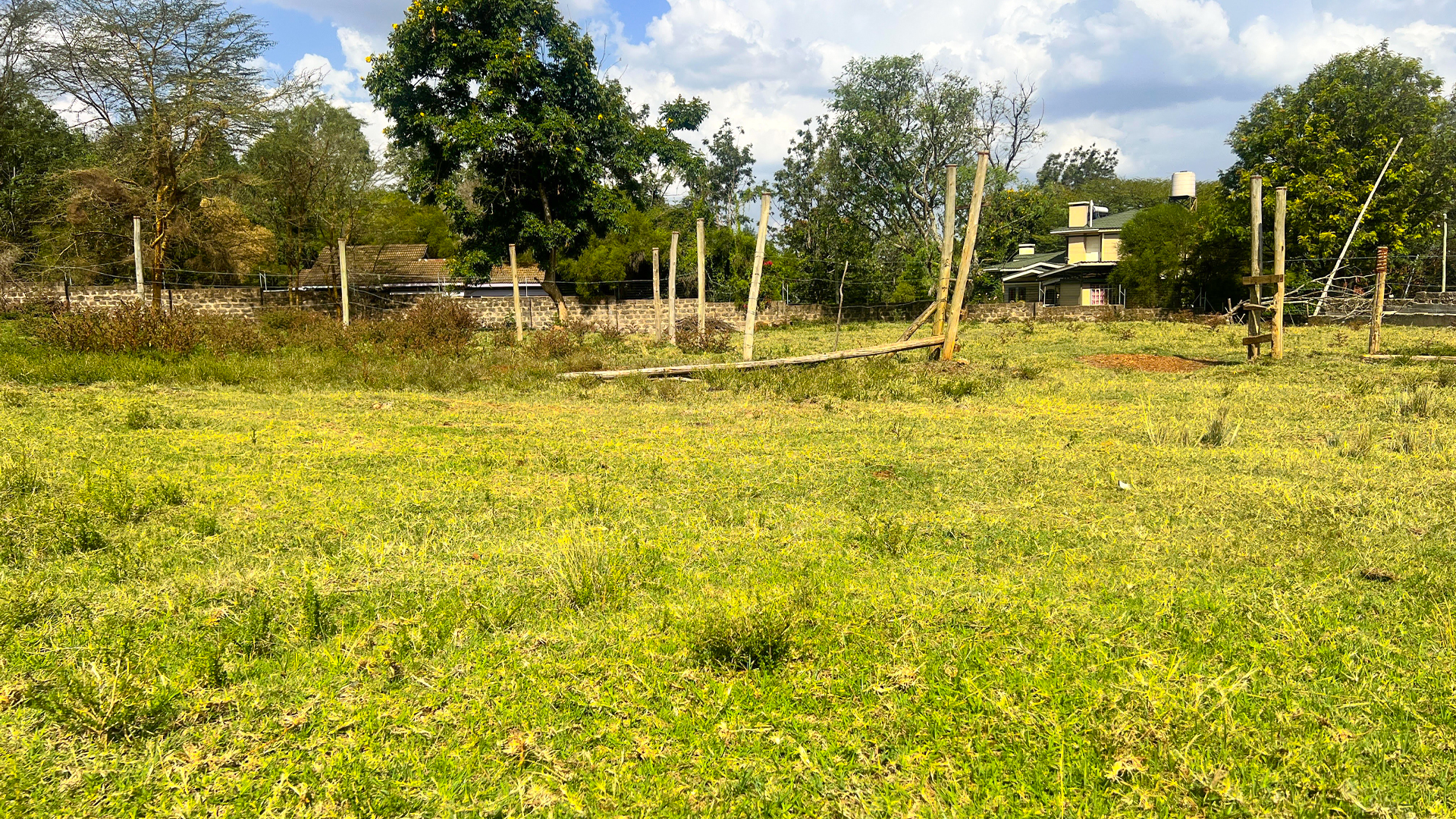
Land disputes are one of the biggest threats to property buyers in Kenya — especially in Nairobi’s fast-moving market where demand is rising, land is scarce, and paperwork mistakes can cost you millions. Whether you’re buying in upmarket neighbourhoods like Kileleshwa, Westlands, Lavington, Kilimani, Karen or Runda, or exploring new-growth corridors like Syokimau, Ruai, Ruiru, Athi River, Thika Road or Kiambu, the risk remains the same: if you don’t understand how land disputes work, you’re walking into a legal minefield.
From fraudulent title deeds to double allocations and fake sellers, land disputes have drained savings, stalled developments, and dragged buyers into years of court battles. But with the right information, you can avoid all of that. This guide breaks down the most important things you must know about land disputes before signing any deal.
- What Exactly Are Land Disputes?
Land disputes are legal conflicts involving ownership, boundaries, access rights, or usage of land. These disputes arise when:
- Two or more people claim ownership of the same plot
- Boundaries overlap or were never marked correctly
- A neighbour blocks access or encroaches
- A title deed is forged, duplicated, or illegally acquired
- A caveat has been placed on the land without your knowledge
In Kenya, most land disputes are caused by poor record-keeping, corruption, outdated land registries, and informal land transactions that bypass due process.
- The Most Common Types of Land Disputes in Kenya
a) Ownership Disputes
This happens when two parties claim the same parcel of land. It’s common in areas where land was inherited, subdivided informally, or allocated by county councils in the past.
b) Boundary Disputes
Your neighbour may claim part of your land is theirs. These cases are frequent in rapidly densifying areas like Kasarani, Dagoretti, Eastlands, Syokimau, Ruiru, and parts of Kiambu.
c) Double Allocation
Two different title deeds issued for the same plot — often seen in historical public land allocations.
d) Fraudulent Sales
Fake agents and impersonators selling land they don’t own.
e) Easement and Access Disputes
Arguments about pathways, shared driveways, utility access, or drainage channels.
f) Succession Disputes
Family members fighting over inherited land with no succession done.
These are the cases that crowd Kenyan courts every year — and most could have been avoided with proper due diligence.
- Why Do Land Disputes Happen So Often in Kenya?
a. Manual Land Registry Records
Not all records have transitioned to the digital ArdhiSasa system. Missing files, delays, and inconsistencies are still common.
b. Fraud and Corruption
Fraudulent title deeds, fake land officers, and “briefcase sellers” are common in urban and peri-urban markets.
c. Informal Land Purchases
Buying land without lawyers, surveyors, or official documentation.
d. Ignoring Caveats
A caveat is a legal notice placed on land to stop any transaction. Many buyers never check if a caveat exists — a big mistake.
e. Weak Due Diligence
Skipping land search, failing to check maps, not verifying ownership with neighbours, and not reading the title deed carefully.
- How Caveats Protect You From Land Disputes
Caveats play a big role in preventing land disputes because they act as a warning sign.
A caveat can be placed by:
- A bank (when land is charged or used as security)
- A buyer who has already signed a sale agreement
- A spouse claiming matrimonial rights
- A family member contesting inheritance
- A court order preventing fraudulent transfers
Why it matters:
If you buy land with an active caveat, you cannot transfer the title until the dispute is resolved — which can take years.
Always ask the land registrar whether a caveat exists before paying any money.
- How to Avoid Land Disputes Before Buying Property

Here’s the must-follow checklist every buyer in Kenya should use
✔ a. Conduct an Official Land Search
This reveals ownership, charges, caveats, and historical records.
Use official platforms like ArdhiSasa or visit the Ministry of Lands.
✔ b. Verify the Title Deed
Confirm:
- Title number
- Plot size
- Area
- Registry
- Previous owners
Fake titles are common — compare it with data at the lands office.
✔ c. Request the Registry Index Map (RIM) {read more about RIM here}
This map shows:
- Actual boundaries
- Easements
- Access routes
- Subdivisions
- Survey of Kenya offices can print this for you.
✔ d. Get a Licensed Surveyor to Reconfirm Boundaries
Never rely on what the seller points at on the ground.
✔ e. Visit the Site Physically (Preferably More Than Once)
Look for warning signs like:
- More than one fence
- Two or more gates
- People living there claiming ownership
- Neighbouring plots overlaying boundaries
✔ f. Interview Local Residents and Neighbours
They will tell you about historical disputes that do not appear in official documents.
✔ g. Work With a Property Lawyer
Your lawyer checks contracts, ensures there is no ongoing dispute, and verifies documentation.
- What to Do If You Discover a Land Dispute After Buying
It happens — and you’re not alone.
Here’s what you should do immediately:
a. File a Complaint at the Environment and Land Court (ELC)
The ELC is responsible for handling land disputes in Kenya.
b. Get a Licensed Surveyor to Provide a Detailed Report
This report will be used as evidence.
c. Issue a Caveat Immediately
This prevents the other party from transferring or selling the land while the dispute is ongoing.
d. Consult a Lawyer
Never negotiate alone. Land dispute cases require strong legal backing.
e. Document EVERYTHING
Keep:
- Receipts
- Agreements
- SMS
- Phone logs
- Witness statements
This information is crucial in court.
- How to Protect Yourself From Land Disputes Long-Term
- To secure your investment:
- Always use lawyers and surveyors
- Keep multiple copies of all paperwork
- Never rush land transactions
- Ensure developments follow county approvals
- Confirm infrastructure plans (roads, utilities, sewer lines)
- Avoid buying land through “promising deals” with no documentation
- Trust but verify everything you are shown
Real estate in Kenya is lucrative, but only when you’re protected from land disputes. Contact us today at Realty Boris and secure bespoken advice on market trends and pitfalls to avoid.