Introduction: Rental Income as Kenya’s Most Reliable Source of Passive Wealth
Rental income has become one of the most dependable ways to create passive wealth in Kenya. With increasing urbanization, a growing middle class, and a surge in both local and expatriate populations in Nairobi, Mombasa, and Kisumu, investors are turning to property to secure steady monthly cash flow. According to Nairobi Urban Planning & Zoning Unlike speculative investments, well-chosen rental properties provide both consistent income and long-term capital appreciation, particularly in high-demand locations.
Building a portfolio that maximizes rental income requires understanding market trends, tenant preferences, and emerging neighbourhoods where demand is expected to grow. This guide highlights the most effective strategies for generating rental income in Kenya and identifies key areas for investment.
1. Understanding the Demand Drivers Behind Rental Income in Kenya
Several structural factors make rental income a reliable source of passive wealth in Kenya:
-
Rapid urban population growth, especially in Nairobi, Mombasa, and Kisumu
-
High migration rates of professionals to city centres
-
A rising middle class that prioritizes quality, security, and accessibility
-
Increased demand for student housing and co-living spaces
-
The presence of multinational companies, embassies, and NGOs boosting rental demand
By analyzing these drivers, investors can focus on areas with sustainable occupancy rates, ensuring a predictable monthly income stream.
2. Residential Apartments: The Backbone of Rental Income

Residential apartments remain the most popular source of rental income, particularly in Nairobi. Key areas such as Kilimani, Kileleshwa, Westlands, and Ruaka attract tenants seeking modern, secure, and conveniently located units.
Investment highlights:
-
High occupancy rates due to consistent demand
-
Predictable monthly cash flow
-
Redevelopment potential as old buildings make way for high-rise apartments
-
Increasing land values in urban neighbourhoods
Investor tip: Focus on one- and two-bedroom units, which tend to have the fastest turnaround, lower vacancy periods, and attractive ROI for both short-term and long-term rentals.
3. Furnished Apartments & Airbnb: Lifestyle-Driven Rental Income
Short-stay furnished apartments have grown in popularity due to rising tourism, corporate travel, and digital nomadism.
Advantages:
-
Higher returns per month compared to long-term rentals
-
Flexibility to adjust pricing based on peak seasons or events
-
Strong demand from professionals, expatriates, and international visitors
Prime locations: Kilimani, Westlands, Riverside, Lavington, and areas near Nairobi’s central business districts offer the highest rental yield for furnished units.
Pro Tip: Well-designed interiors, reliable internet, and secure parking significantly increase occupancy rates and rental value.
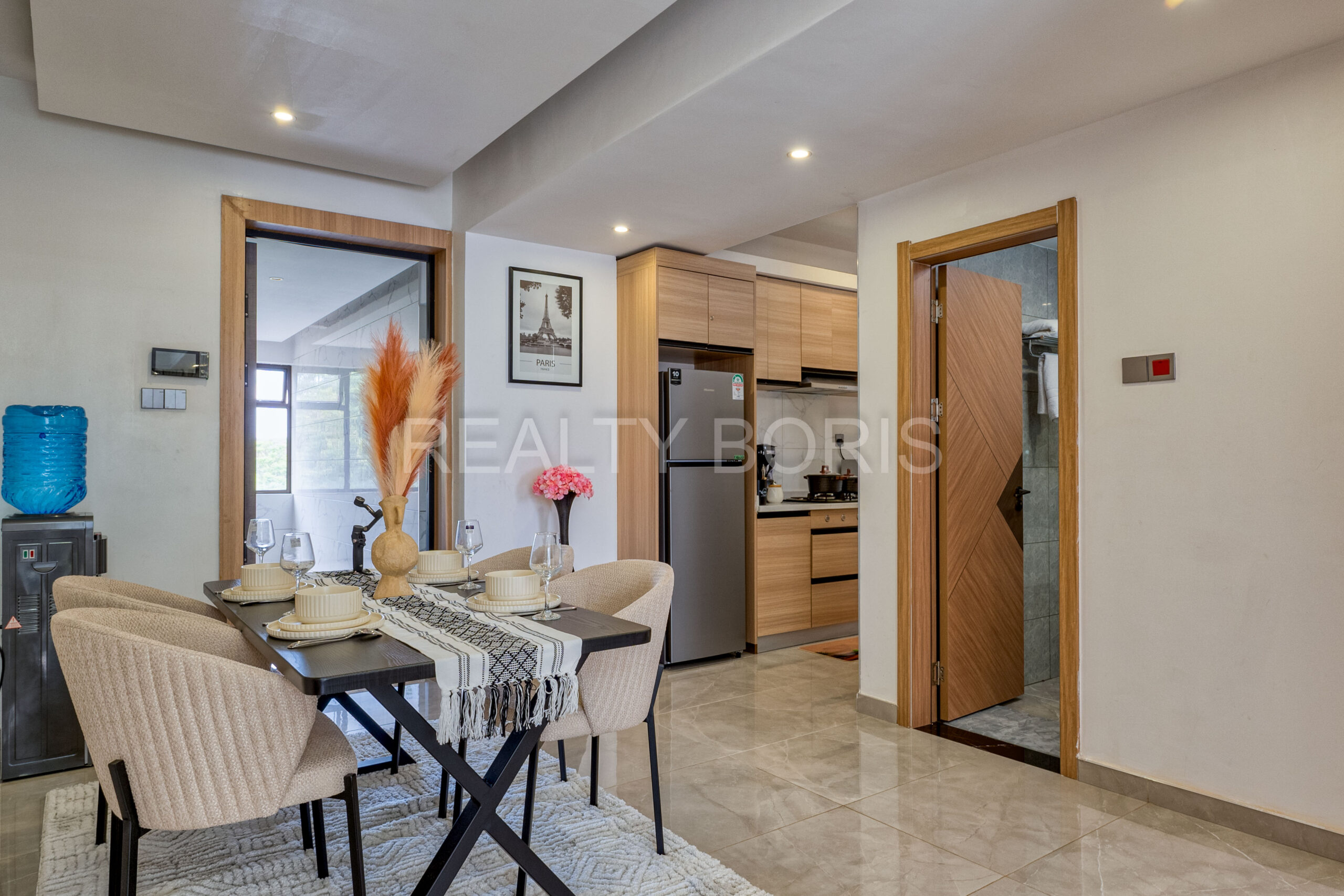
Image Alt Text Example:
“Modern furnished apartment in Nairobi generating high rental income”
4. Commercial Properties: Premium Rental Income Opportunities
Commercial properties—offices, retail shops, and warehouses—provide higher rental income potential, particularly for long-term investors.
Why commercial properties work:
-
Longer lease periods (3–6 years) ensure stable cash flow
-
Premium locations attract corporate tenants willing to pay top rates
-
Proximity to transport hubs and business centres increases demand
Key Nairobi areas: Westlands, Upper Hill, and along Ngong Road host high-growth office and retail developments with strong rental prospects.
5. Mixed-Use Developments: Diversified Passive Income
Mixed-use developments combine residential, retail, and office spaces, providing multiple revenue streams from a single property.
Benefits:
-
Risk diversification across different tenant types
-
Potential for high appreciation as the neighbourhood develops
-
Strong rental yield from modern infrastructure and lifestyle amenities
Emerging hubs such as Lavington, Kileleshwa, and Ngong Road are ideal for investors targeting mixed-use developments.
6. Student Housing: Steady Income with Low Vacancy
Purpose-built student accommodation (PBSA) offers reliable rental income, particularly in university towns.
Why it’s profitable:
-
Constant tenant turnover with academic cycles
-
High demand for affordable, secure housing near campuses
-
Predictable rental streams with minimal marketing effort
Recommended areas: Juja, Athi River, Karen, and Parklands—close to top universities—provide stable demand and excellent yields.
7. Choosing the Right Location for Maximum Rental Income
Location is critical for optimizing rental income. The following areas in Nairobi are top performers:
-
Kilimani – furnished apartments and young professional rentals
-
Westlands – corporate housing, offices, and Airbnb units
-
Ruaka & Two Rivers area – high-density residential demand
-
Karen – luxury villas and long-term high-end rentals
-
Ngong Road & Kileleshwa – mixed-use and apartment developments
-
Riverside & Lavington – premium, secure, and in-demand residential zones
Investors should focus on accessibility, security, proximity to schools and offices, and neighbourhood growth trends to maximize rental yields.
Final Thoughts on Building Rental Income in Kenya
Generating sustainable rental income in Kenya requires strategic investment, a deep understanding of the neighbourhood, and awareness of market trends. Residential apartments, furnished rentals, commercial spaces, mixed-use developments, and student housing all provide unique opportunities for passive income.
By targeting high-demand areas, maintaining quality properties, and leveraging Nairobi’s growing urban population, investors can build a reliable, long-term income stream while benefiting from capital appreciation over time.
Contact us today at Realty Boris to make the best informed choices on purchasing of property.