Introduction

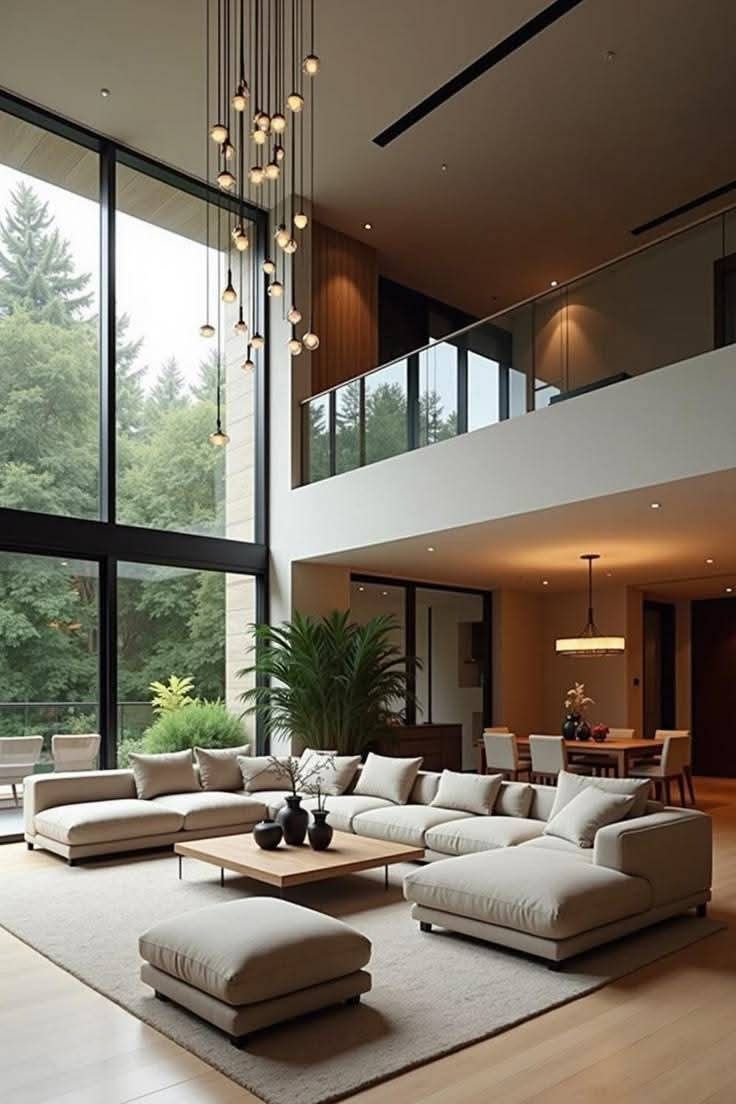
Apartments have become the new symbol of modern living in Nairobi — reshaping skylines, redefining convenience, and steadily outperforming bungalows in sales and demand. Over the past five years, the city’s property market has seen a clear shift in buyer preference toward high-rise urban homes, driven by lifestyle changes, affordability, and evolving investment priorities.
While bungalows once dominated Nairobi’s suburbs, the surge of vertical living is rewriting the real estate narrative. From Kilimani and Kileleshwa to Westlands and Parklands, more homebuyers are now prioritizing smart designs, amenities, and accessibility over expansive standalone plots.
This blog unpacks seven powerful reasons why apartments are outselling bungalows in Nairobi, exploring the economic, cultural, and architectural factors fueling this shift — and what it means for developers, investors, and homeowners navigating Kenya’s evolving real estate landscape.
1. Apartments Offer Greater Affordability and Accessibility
In today’s economy, apartments provide an affordable entry point into Nairobi’s competitive real estate market. With land prices in prime areas skyrocketing, developers are turning to vertical construction to maximize space and lower per-unit costs.
For buyers, this means the dream of homeownership is still achievable without spending tens of millions on a standalone property. This affordability — coupled with flexible payment plans and access to financing — continues to drive apartment sales across all income brackets.
2. Urban Land Scarcity Makes Vertical Living More Practical
Nairobi’s urban sprawl has reached a tipping point. With limited undeveloped land near key business districts, the only sustainable option is upward growth.
Apartments utilize land efficiently, housing dozens of families where one bungalow would typically sit. Developers are now prioritizing high-density zoning and smart vertical designs that integrate parking, retail, and leisure spaces within a single complex.
This practicality has made apartments the dominant choice in neighborhoods like Kilimani and Upper Hill — where land values make low-density housing nearly impossible to sustain.
3. Apartments Deliver Lifestyle Convenience and Modern Amenities
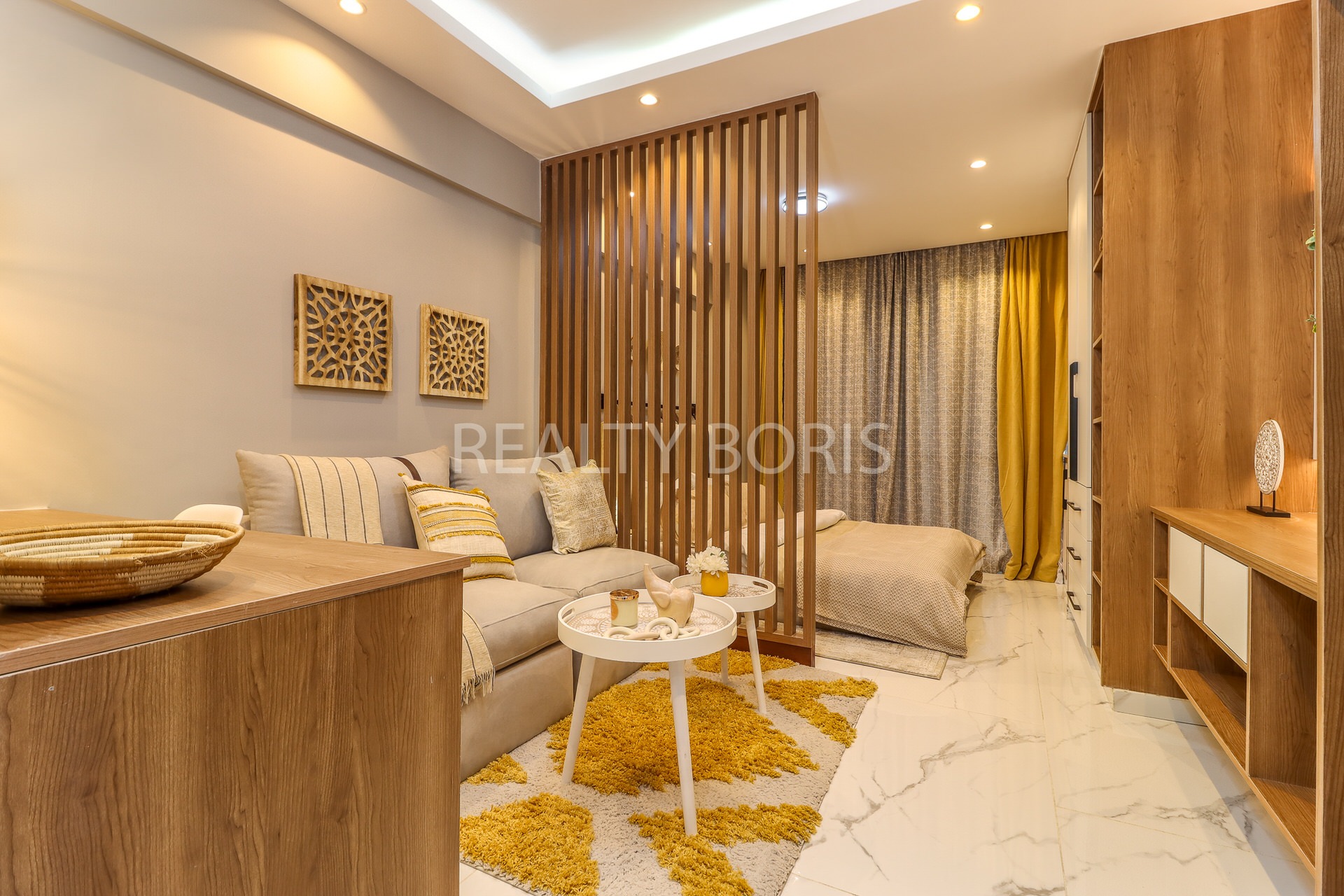
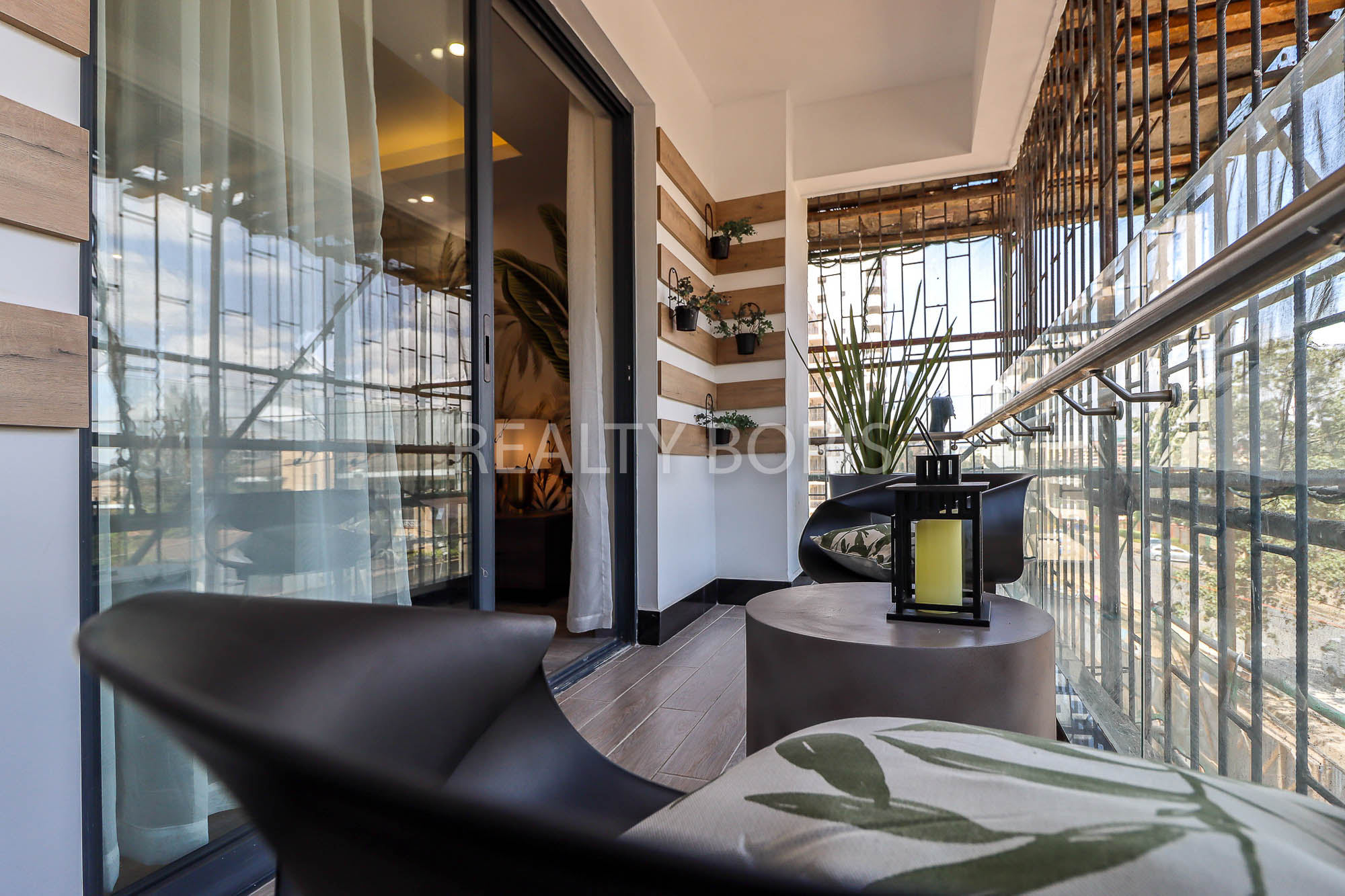
Modern apartments are built around convenience and lifestyle — two elements today’s urban buyers value most. From rooftop lounges, fitness centers, and swimming pools to 24-hour security and concierge services, apartment living offers a complete lifestyle package that bungalows rarely match.
In contrast, maintaining a bungalow often means managing utilities, repairs, and security independently — a challenge for busy professionals or young families seeking convenience.
This rise in amenity-rich developments reflects global urban living trends, where homeownership goes beyond having space — it’s about living smarter, not larger.
4. Apartments Provide Stronger Investment Returns
From an investor’s standpoint, apartments promise higher rental yields and faster resale liquidity compared to bungalows. A 2024 Knight Frank Report noted that rental demand for apartments in Nairobi grew by 18% year-on-year, especially in serviced and furnished segments.
The combination of affordability, urban demand, and short-stay rentals through platforms like Airbnb has positioned apartments as one of Nairobi’s most profitable property investments.
Developers targeting this segment are also experimenting with mixed-use concepts — integrating retail and commercial spaces to enhance returns and attract both tenants and buyers.
5. Security and Community Living Are Key Selling Points
For most buyers, security is non-negotiable — and apartments deliver it better than standalone homes. Gated access, 24-hour surveillance, controlled entry systems, and professional management ensure peace of mind for residents.
Beyond security, apartment complexes foster community living, where shared facilities and events create social engagement — something missing in isolated bungalows.
This combination of safety and social belonging has made apartments especially popular among young professionals, single homeowners, and retirees seeking a secure yet connected environment.
6. Sustainable Design and Energy Efficiency
As Nairobi embraces green architecture, modern apartments are leading the sustainability movement. Developers now incorporate solar panels, rainwater harvesting, energy-efficient lighting, and waste recycling systems into new projects.
Because apartments share utilities and infrastructure, they often have lower per-household energy consumption than standalone bungalows. This eco-efficiency is not only cost-effective but also aligns with global sustainability goals — attracting environmentally conscious buyers and investors.
The Green Building Society of Kenya predicts that by 2027, nearly 60% of new apartment projects in Nairobi will integrate some form of sustainable design.
7. Strategic Locations and Transport Connectivity
Location remains a top priority for Nairobi’s urban population — and apartments dominate in proximity to key employment zones, malls, and transit networks.
From Riverside’s diplomatic district to Westlands’ commercial hub, apartments offer quick access to offices, schools, hospitals, and social amenities. The upcoming Nairobi Expressway and BRT systems further enhance connectivity, making apartment living even more practical.
As the city continues to urbanize, the strategic placement of apartment projects near major infrastructure corridors ensures long-term capital appreciation — a factor driving both end-user and investor demand.
The Cultural Shift: From Owning Land to Owning Lifestyle
Traditionally, property ownership in Kenya was tied to land — a bungalow symbolized permanence and legacy. But with evolving lifestyles and generational mindsets, the younger demographic now values mobility, security, and convenience over acreage.
Apartments embody this shift perfectly. They represent a modern, global lifestyle — connected, efficient, and adaptable. Developers have taken note, responding with high-rise projects that merge luxury with function, catering to a fast-changing urban identity.
The Cultural Shift: From Owning Land to Owning Lifestyle
Traditionally, property ownership in Kenya was tied to land — a bungalow symbolized permanence and legacy. But with evolving lifestyles and generational mindsets, the younger demographic now values mobility, security, and convenience over acreage.
Apartments embody this shift perfectly. They represent a modern, global lifestyle — connected, efficient, and adaptable. Developers have taken note, responding with high-rise projects that merge luxury with function, catering to a fast-changing urban identity.
Call to Action (CTA)
Looking to invest in Nairobi’s booming apartment market?
👉 Contact Realty Boris — we connect you with verified developments, reliable agents, and market insights to help you invest smartly and confidently.