Introduction
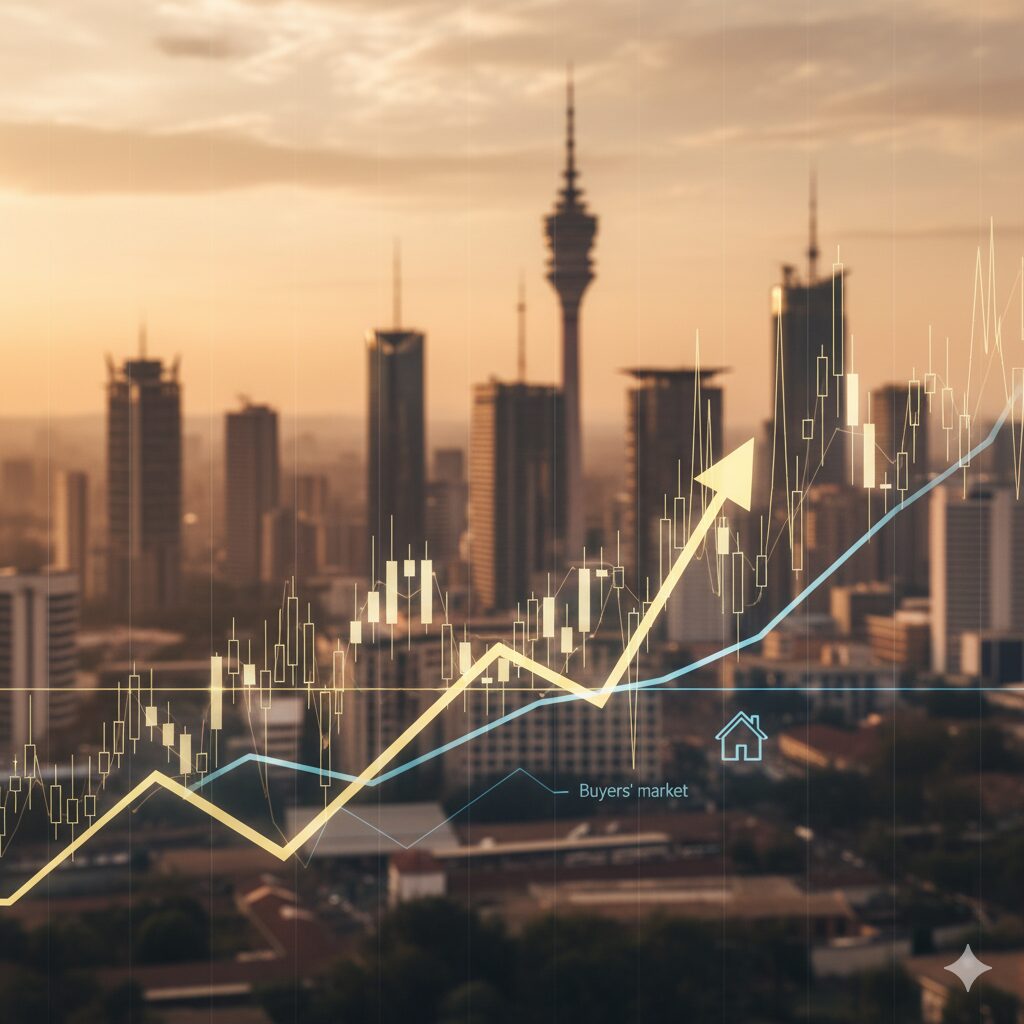
The political climate in Nairobi plays a powerful role in shaping the city’s luxury property prices. In a city where real estate remains the top investment choice for both local and diaspora buyers, political stability—or the lack of it—directly influences property values, development speed, and buyer confidence.
Over the past decade, Nairobi has experienced alternating waves of political calm and tension, each leaving a visible mark on the housing market. In peaceful periods, property values soar as developers rush to launch high-end projects in areas like Riverside, Lavington, and Kilimani. But during political uncertainty, prices flatten, foreign investment slows, and new launches are delayed.
This blog explores 7 powerful ways Nairobi’s political climate shapes luxury property prices, offering insights for investors, developers, and agents seeking to navigate the ever-evolving landscape of Kenya’s most prestigious market.
1. Political Stability Boosts Investor Confidence
When political conditions are stable, investor confidence thrives. Nairobi’s luxury property market has historically performed best during peaceful political cycles. Investors—both local and international—feel secure when governance is predictable, policies are consistent, and the rule of law is upheld.
During the 2018–2022 period of relative political calm, high-end property launches in Riverside, Kileleshwa, and Lavington rose by over 40%. International developers also entered the market, attracted by Kenya’s growing middle class and improving infrastructure.
Why it matters: A stable political climate signals lower investment risk, encouraging long-term capital inflow. For luxury investors, that translates into stronger property appreciation and faster project completions.
(External link: Central Bank of Kenya – Investor Confidence Reports)
2. Election Cycles Create Market Uncertainty
Every election cycle in Kenya brings a period of economic slowdown, and Nairobi’s luxury property sector is no exception. Developers often delay new launches, while buyers adopt a wait-and-see approach until political outcomes are clear.
Luxury property prices tend to flatten or even drop slightly in the months leading up to major elections due to reduced transaction volumes. However, history shows these slowdowns are temporary—values typically rebound within 6–12 months after political calm is restored.
Investor tip: Smart buyers capitalize on these brief downturns to acquire premium properties at slightly discounted prices before the next growth cycle begins.
3. Government Policy Directly Influences Property Values
Policy decisions have long-term effects on Nairobi’s real estate trajectory. Land reforms, zoning laws, and taxation policies often stem from political agendas—and their outcomes can either encourage or discourage high-end property development.
For example, the Nairobi Metropolitan Services (NMS) zoning updates opened parts of Kileleshwa and Kilimani to high-rise mixed-use developments. This policy shift dramatically raised land values and spurred a construction boom.
Conversely, sudden policy changes—such as tax hikes on building materials or property transfers—can increase costs, squeezing developer margins and inflating property prices for buyers.
Focus Keyword Used: The political climate in Nairobi continually shapes how these policies are enacted and perceived, making it essential for investors to stay informed.
4. Infrastructure Development Tied to Political Will
The success of Nairobi’s luxury property zones often mirrors the pace of government-led infrastructure projects. Roads, water systems, power networks, and security installations are heavily dependent on political will and budget priorities.
When leaders prioritize infrastructure, luxury zones thrive. The Nairobi Expressway, championed through public-private partnerships, transformed Westlands, Riverside, and Upper Hill into highly desirable addresses, pushing property prices upward by up to 18%.
However, when infrastructure spending stalls or shifts focus, property growth slows. For instance, delayed roadworks or stalled drainage systems can temporarily reduce buyer interest in affected neighborhoods.
5. Foreign Relations and Currency Stability Affect Luxury Investments
The political climate in Nairobi extends beyond local policies—it’s intertwined with Kenya’s international relations. Positive diplomatic ties and stable governance strengthen foreign investor confidence and stabilize currency performance.
Luxury properties often attract diaspora buyers and expatriates earning in USD, GBP, or EUR. When political uncertainty causes the Kenyan Shilling to fluctuate, developers and investors alike face pricing and financing challenges.
For example, favorable bilateral ties with the EU and UAE have encouraged more foreign direct investment (FDI) in real estate, especially in high-end developments and hospitality-linked luxury residences.
Pro insight: Maintaining political diplomacy and fiscal discipline helps preserve currency stability—critical for sustaining Nairobi’s premium property segment.
6. Urban Planning and Zoning Reforms Shape Future Value
Political decisions drive urban planning, which in turn shapes the luxury real estate map of Nairobi. Areas once reserved for low-density housing, such as Kileleshwa, Riverside, and Lavington, are now zoned for vertical mixed-use development due to political reform initiatives.
These zoning changes enable developers to create integrated residential and commercial complexes that meet global standards. The result? Increased land value, higher ROI potential, and a modernized skyline appealing to high-net-worth buyers.
However, inconsistent enforcement of zoning laws or politically driven approvals can distort supply-demand balance, leading to overbuilding or infrastructure strain in certain zones.
Investor tip: Monitor Nairobi City County’s urban policy updates to anticipate emerging luxury hotspots early.
7. Political Accountability Builds Long-Term Market Trust
A transparent political system that enforces property rights, combats corruption, and streamlines development approvals is the foundation of a healthy luxury market. The political climate in Nairobi has improved in this regard, with digitalization of land transactions (via Ardhisasa) enhancing transparency and reducing fraud.
When buyers trust the system, they invest more confidently. Developers can also access financing more easily when property ownership and compliance are verifiable. Over time, such accountability creates a virtuous cycle—strong governance drives confidence, confidence drives demand, and demand drives value.
(Internal link suggestion: Learn more about Land Control Boards and Property Compliance in Nairobi)
Conclusion
The connection between politics and property in Nairobi is undeniable. The political climate in Nairobi luxury property continues to define who invests, where they invest, and at what price. From stable governance and zoning reforms to election-driven slowdowns and infrastructure expansion, every political decision leaves a footprint on the city’s luxury real estate values.
For developers, this means planning strategically around policy trends. For investors, it’s about timing — knowing when the market is poised for growth and when to hold steady.
Call to Action (CTA)
Thinking of investing in Nairobi’s luxury real estate market? 🏙️
At Realty Boris, we track how politics, policy, and investment trends affect property values — so you can make informed decisions with confidence.
Contact us today to explore verified listings, trusted developers, and investment-ready opportunities in Nairobi’s most exclusive neighborhoods.