Introduction
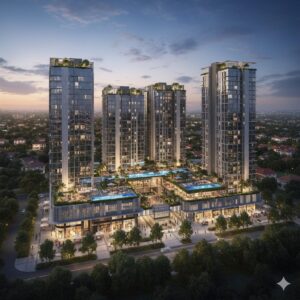
Mixed-use developments in Kileleshwa are redefining urban luxury and convenience in Nairobi. What was once a quiet residential suburb of standalone homes has transformed into a vibrant, upscale neighborhood filled with smart buildings combining residential, commercial, and leisure spaces. These developments allow residents to live, work, shop, dine, and relax — all within the same property. This is not just a trend; it’s a real estate revolution.
By 2027, mixed-use developments dominate Kileleshwa due to high land costs, evolving lifestyles, infrastructure upgrades, and investor-friendly policies. From elegant rooftop lounges to basement supermarkets and co-working spaces, these developments promise unmatched convenience and modernity.
In this blog, we explore 7 powerful reasons why mixed-use developments dominate Kileleshwa in 2027 — and why investors, developers, and buyers should pay attention.
1. Convenience Meets Luxury Living
Mixed-use developments in Kileleshwa offer unmatched convenience by combining essential lifestyle elements under one roof. Residents no longer need to commute for groceries, gyms, cafes, salons, or co-working spaces — everything is within an elevator ride.
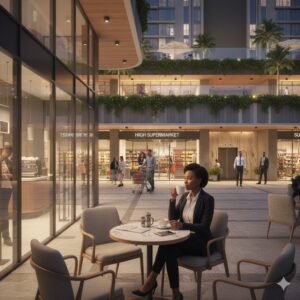
This combination of smart living and luxury design appeals to professionals, expats, and high-income families who value time efficiency and comfort. From breakfast at a ground-floor café to evening workouts at an in-house gym, convenience increases lifestyle satisfaction — and property value.
2. Higher Property Values and Strong ROI
Mixed-use developments in Kileleshwa deliver superior returns on investment (ROI) compared to traditional apartment blocks or standalone buildings.
-
Rental yields in high-demand mixed-use zones like Mandera Road and Oloitoktok Road average 8–10% annually.
-
Commercial tenants on lower floors ensure continuous cash flow, while residential units above offer stable occupancy rates.
-
These developments attract embassies, expatriates, young professionals, and high-net-worth individuals — guaranteeing premium rent.
According to Knight Frank Market Data, mixed-use developments in growing Nairobi suburbs consistently outperform single-use properties in long-term appreciation.
3. Smarter Land Use in a Limited-Space Zone
Land in Kileleshwa is scarce and expensive — and mixed-use developments maximize land value per square foot. Vertical developments with residential, retail, office, and entertainment spaces generate 2–3 times more income than standalone housing units.
This approach aligns with Nairobi City County’s push for urban densification and better land use. Developers no longer build simple apartment blocks — they are building smart ecosystems.
For example, instead of a 10-unit apartment block, a developer can build:
-
Ground Floor: Retail shops, pharmacies, mini-marts
-
Middle Floors: Apartments and penthouses
-
Top Floor: Gym, lounge, restaurant, or rooftop garden
Smart land utilization = higher profitability + better community living.
4. Lifestyle Appeal for Families and Professionals
Mixed-use developments dominate Kileleshwa because they offer holistic, lifestyle-driven living. These spaces are designed to cater to families, digital professionals, and remote workers.
Key amenities include:
-
Rooftop lounges with panoramic city views
-
Children’s play areas and landscaped gardens
-
High-speed internet and co-working spaces
-
Gyms, pools, yoga studios, and concierge services
-
Secure underground parking and 24-hour CCTV surveillance
Proximity to top schools and hospitals such as The Nairobi Hospital, Strathmore School, and Kentmere International School makes Kileleshwa ideal for expat families and corporate executives.
5. Policy Support and Urban Planning Trends
Government policy has played a massive role in the rise of mixed-use developments in Kileleshwa.
Originally, Kileleshwa was zoned as a low-density area. However, policy reforms now allow high-rise, high-density mixed-use developments. These changes, combined with improved infrastructure — like upgraded roads, drainage systems, and sewer lines — have attracted both local and international developers.
The National Land Commission and Nairobi County Urban Planning Department now encourage vertical development to make better use of urban land and reduce urban sprawl.
6. Rising Demand from Investors and Tenants
Rental demand is skyrocketing in Kileleshwa thanks to its central location between Westlands, Lavington, and Kilimani. Mixed-use developments attract:
-
Diplomats
-
NGOs and UN staff
-
Corporate executives
-
Young professionals
-
Small business owners
These tenants prefer living where they can access amenities within minutes — which helps investors reduce vacancy rates and increase rental returns.
7. Future-Proof and Sustainable Living
Mixed-use developments in Kileleshwa are future-focused, with sustainability at the core. Many projects integrate:
-
Solar water heating and energy-efficient lighting
-
Rainwater harvesting systems
-
Waste recycling and smart building management systems
-
Electric vehicle (EV) charging stations
These features lower operational costs while aligning with global sustainability goals — making properties attractive to eco-conscious investors and tenants.
Conclusion
Mixed-use developments dominate Kileleshwa in 2027 because they offer a rare combination of efficiency, luxury, sustainability, and profitability. With limited land, evolving lifestyles, supportive policies, and strong rental demand, these developments are not just a trend — they are Nairobi’s future.
For investors, this is the moment to act. Mixed-use developments are proving to be the smartest real estate strategy for long-term returns and market resilience.
Ready to invest or learn more?
Contact Realty Boris today to explore live mixed-use projects, market insights, and high-ROI investment opportunities in Kileleshwa.