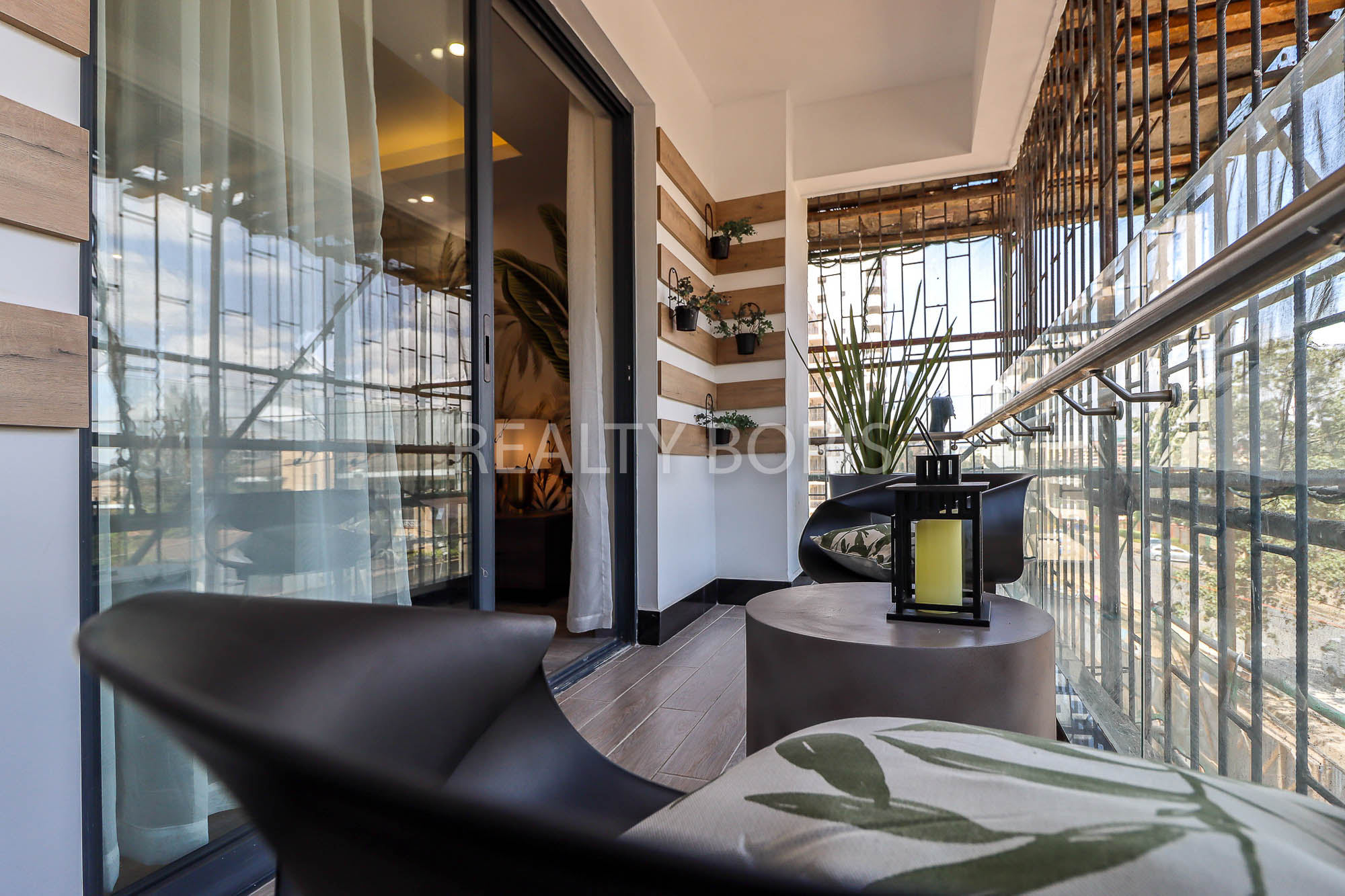

Let’s be honest—Nairobi real estate is entering a golden era. Once known only as Kenya’s administrative capital, Nairobi has evolved into a strategic base for investors, expatriates, developers, and global institutions. From luxury residences in Kilimani to corporate skyscrapers in Upper Hill and Westlands, Nairobi is positioning itself as a regional real estate hub in East Africa—and the data proves it.
So, what’s driving this surge? And why are investors across Africa, Europe, the Middle East, and the diaspora channeling billions into Nairobi’s property market? Here are the seven key reasons behind Nairobi’s rise as a real estate powerhouse.
1. Strategic Location and Global Connectivity
Nairobi is geographically and politically positioned at the heart of East and Central Africa. This makes it a natural gateway for diplomatic missions, NGOs, and multinational companies.
-
Jomo Kenyatta International Airport (JKIA) connects Nairobi to global cities like London, Dubai, Doha, and Johannesburg.
-
Wilson Airport supports regional business travel and safari tourism.
-
Major infrastructure upgrades like the Nairobi Expressway, SGR railway, and Eastern and Southern Bypasses have reduced traffic congestion and opened new investment corridors.
Example: Properties around Syokimau and JKIA have seen average price increases of 30% in the last three years, largely due to better connectivity.
2. Rapid Urbanization and Population Growth
With over 5 million residents and a 4% annual growth rate, Nairobi’s housing demand continues to surge.
-
Young professionals and middle-income earners are fueling demand in areas like Kileleshwa, Westlands, and Lavington.
-
Urban sprawl has boosted development in satellite towns such as Ruaka, Ruiru, Athi River, and Kitengela.
-
Every year, thousands of new households join the market—meaning steady demand for rentals, townhouses, apartments, and mixed-use spaces.
3. Nairobi as a Financial and Corporate Headquarters
Nairobi isn’t just Kenya’s capital—it’s Africa’s corporate anchor.
-
Over 100 multinational companies (Google, Microsoft, Safaricom, UN agencies, Visa) have regional headquarters here.
-
This corporate presence increases demand for Grade A office buildings in areas like Westlands, Upper Hill, and Gigiri.
-
Expatriates and high-income executives prefer secure, modern housing—boosting luxury rentals in Karen, Runda, Riverside, and Kilimani.
Fact: Westlands now offers some of East Africa’s highest office rental yields, competing with Johannesburg and Lagos.
4. Infrastructure Development & Smart City Projects
Real estate follows infrastructure—and Nairobi is building fast.
-
Major upgrades include the Nairobi Expressway, Ngong Road expansion, James Gichuru–Waiyaki Way project, and SGR connectivity.
-
Smart city projects like Konza Technopolis are positioning Kenya as a global innovation hub.
-
Improved transportation has opened formerly inaccessible areas to investors.
Example: After the Southern Bypass, land around Karen, Dagoretti, and Kikuyu surged in value.
5. Growing Local and Diaspora Investment

Kenyans locally and abroad are major drivers of Nairobi’s property boom.
-
Diaspora remittances crossed $4 billion annually, with a significant portion invested in property.
-
Developers are targeting diaspora investors with virtual tours, escrow accounts, off-plan payment plans, and rental guarantees.
-
SACCOs, investment groups, and pension funds are increasingly funding real estate development.
Trend: Digital platforms and expos have made it easier for diaspora investors to buy Nairobi property securely.
6. Stable Political Climate and Investor-Friendly Policies
Despite challenges, Kenya remains one of Africa’s most politically stable and economically resilient nations.
-
Reforms at the Ministry of Lands, NEMA, NCA, and KRA have made transactions more transparent and digital.
-
Vision 2030 prioritizes affordable housing, infrastructure, and urban renewal projects.
-
Legal frameworks protect property rights, making Nairobi attractive for foreign direct investment (FDI).
Data: Real estate contributes nearly 10% of Kenya’s GDP, according to KNBS.
7. Rise of Sustainable and Mixed-Use Developments (MUDs)
Modern buyers want convenience, lifestyle, and sustainability—not just a house.
-
Mixed-use developments (MUDs) like Two Rivers, GTC, and Nairobi Gate combine retail, office, residential, and entertainment spaces.
-
Developers are adopting green architecture, solar energy, rainwater harvesting, and LEED certification.
-
These developments attract both expatriates and environmentally conscious investors.
Example: LEED-certified buildings in Westlands and Upper Hill are commanding premium rental rates.
Final Thoughts
Nairobi isn’t just growing—it’s transforming into East Africa’s real estate heartbeat. Strategic location, improved infrastructure, corporate growth, and investor confidence are positioning Nairobi as a top regional real estate hub.
For investors, developers, and homeowners, the message is clear:
Nairobi is moving from potential to power. Those who invest now stand to gain the most.
Call to Action
Thinking of investing in Nairobi real estate?
Whether it’s luxury apartments in Riverside or commercial spaces in Westlands, Realty Boris helps you analyze risks, spot opportunities, and invest smart.
Get in touch today — let’s help you secure Nairobi’s next big opportunity.