Introduction
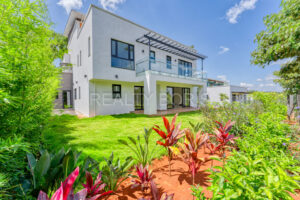
When it comes to building luxury villas in Nairobi, time is just as important as cost. For developers and investors, delays can mean higher expenses, missed rental income, and postponed occupancy. While constructing a standard Nairobi home may take 10–14 months, a luxury villa is a far more complex project.
These premium properties feature bespoke architectural designs, high-end finishes, expansive layouts, and must comply with Nairobi County’s strict construction regulations. On average, developers and homeowners should expect a timeline of 18–30 months from planning to completion—depending on approvals, scope, and financing.
In this blog, we’ll unpack 7 key factors that determine how long it takes to build a luxury villa in Nairobi. Whether you’re an investor, homeowner, or developer, understanding these timelines helps you plan better, minimize delays, and build smarter.
1. Planning and Approvals (3–6 Months)
Every project begins with paperwork. Nairobi County requires construction permits, architectural drawings, and environmental impact assessments before any site activity begins.
Key approvals include:
-
Zoning compliance from Nairobi County
-
NEMA environmental clearance (National Environment Management Authority)
-
Structural reviews by certified engineers
For large-scale villas in Karen, Runda, or Lavington, this phase can take up to six months. Working with experienced architects and legal consultants can significantly shorten this process.
🔗 Learn more about building approval requirements in Nairobi County.
2. Design and Customization (2–4 Months)
Luxury villas in Nairobi are rarely built from pre-existing templates. They’re custom-designed masterpieces featuring:
-
Personalized interior layouts
-
Home automation and smart systems
-
Private gyms, pools, and offices
Designing to this level of precision takes 2–4 months, depending on the number of revisions and client specifications. When imported materials or foreign architects are involved, expect additional time for approvals and sourcing.
3. Site Preparation and Foundation (1–2 Months)

Before construction begins, the site must be cleared, leveled, and tested. Nairobi’s varying topography—especially in Kilimani, Westlands, or Loresho—can affect timelines.
-
Rocky or unstable soils require reinforcement.
-
Larger villas need deep, reinforced foundations.
-
Timelines typically range between 4–8 weeks depending on site conditions.
Efficient site analysis and proper geotechnical surveys can save valuable time and prevent costly mid-project adjustments.
4. Structural Work (6–10 Months)
This is where your villa takes shape—walls, beams, roofs, and floors rise. With villas often spanning 400–600 square meters, precision is key.
-
Average duration: 6–10 months
-
Delays: Common during Nairobi’s rainy seasons (March–May and October–December)
-
Pro tip: Hire contractors who implement efficient scheduling and labor tracking systems to stay on pace.
5. Finishing and Interiors (5–8 Months)
This phase defines the luxury feel. Premium villas require high-end finishing, including:
-
Imported tiles, marble, or hardwood flooring
-
Custom cabinetry and lighting systems
-
Designer bathrooms and window fittings
The finishing stage takes 5–8 months, depending on customization and material sourcing. Import delays or design changes can extend timelines, so it’s best to order materials early and work with reliable suppliers.
6. Utilities and Landscaping (2–3 Months)
Luxury villas in Nairobi often include modern amenities such as:
-
Smart plumbing and lighting systems
-
Backup solar and water recycling units
-
Landscaped gardens, pools, and lounges
Landscaping typically takes 8–12 weeks, but larger compounds in Karen or Runda may require an extra month for mature greenery and outdoor features.
A well-planned landscape not only adds aesthetic appeal but can boost property value by up to 15% according to Knight Frank Kenya Research.
7. Financing and Cash Flow (Ongoing Factor)
One of the most common reasons projects stall in Nairobi is cash flow interruptions. Even the best-laid construction schedules can collapse without steady funding.
-
Developers relying on loan disbursements often face delays.
-
Self-financed projects progress faster due to flexibility.
-
Having a construction contingency fund (10–15%) helps mitigate unexpected costs.
Proper financial planning ensures smooth progress from foundation to finishing.
Average Construction Timeline Breakdown
| Stage | Estimated Duration |
|---|---|
| Planning & Approvals | 3–6 months |
| Design & Customization | 2–4 months |
| Site Prep & Foundation | 1–2 months |
| Structural Work | 6–10 months |
| Finishing & Interiors | 5–8 months |
| Utilities & Landscaping | 2–3 months |
| Total | 18–30 months (1.5–2.5 years) |
Why Timelines Differ Across Nairobi’s Estates
-
Kilimani & Westlands: Shorter timelines due to easy access to labor and materials.
-
Karen & Runda: Longer timelines because of expansive land parcels and custom landscaping.
-
Lavington: Balanced — combines convenience and luxury with manageable project size.
Each neighborhood comes with its own challenges, so choose your location wisely depending on the project scale and budget.
Conclusion
Building a luxury villa in Nairobi is a rewarding but time-intensive journey. Expect anywhere from 18–30 months depending on factors like approvals, customization, financing, and material sourcing.
While delays are common, the key to success lies in strategic planning, reliable financing, and experienced professionals. With the right team and preparation, your villa can become one of Nairobi’s standout luxury properties—balancing prestige, comfort, and long-term value.
🏡 Thinking of building or investing in a luxury villa in Nairobi?
Contact Realty Boris today for expert insights, builder connections, and step-by-step project guidance.