
Introduction
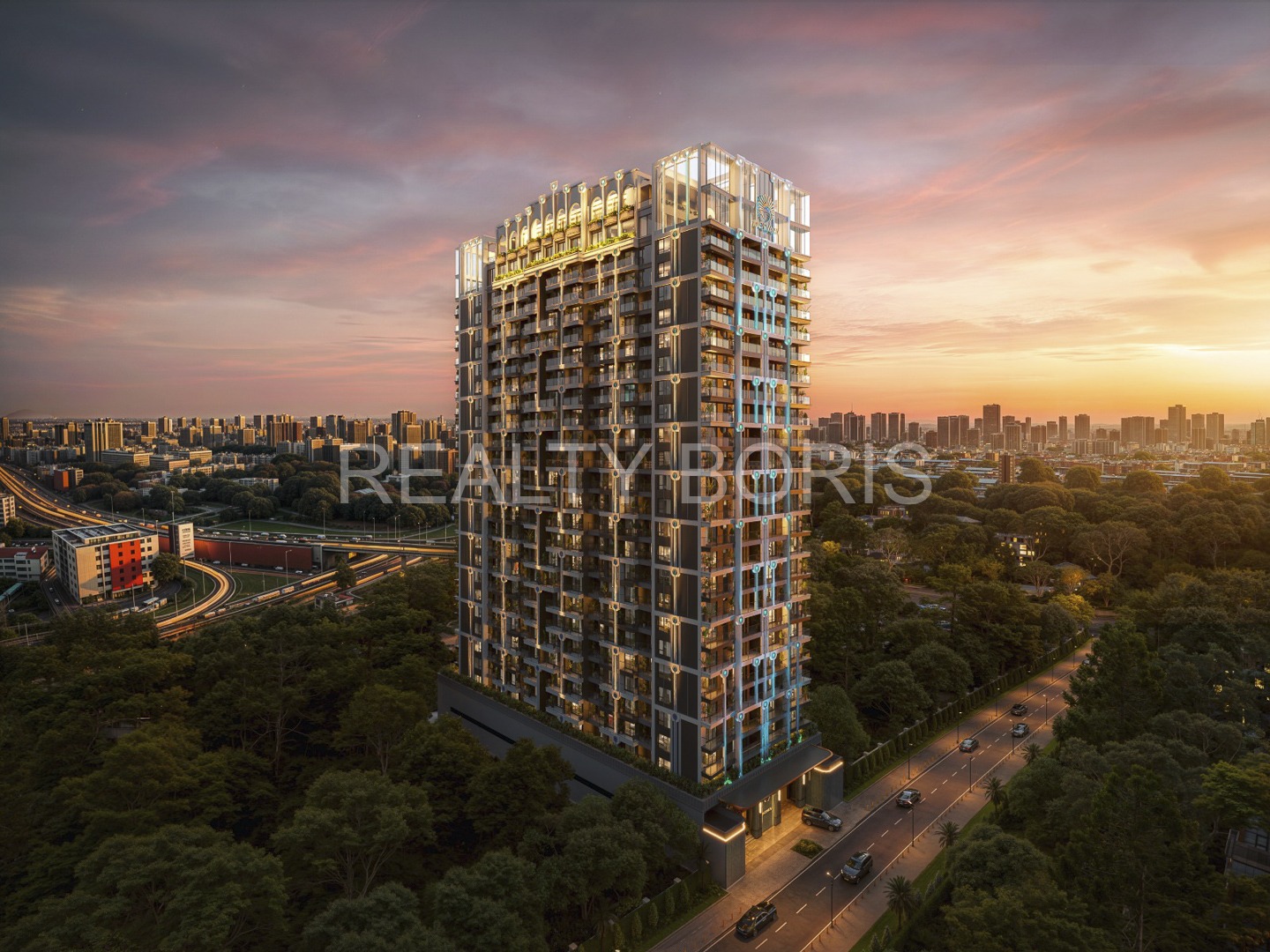
Upmarket property in Nairobi real estate when it comes to investing in it—whether in Kilimani, Westlands, Lavington, or Riverside—location always tops the list of buyer priorities. Yet, location alone doesn’t explain why some neighborhoods outperform others in value and demand. The real differentiator lies in proximity to social amenities, especially schools and hospitals.
These two amenities have quietly become the cornerstones of property appreciation. Families prioritize safety, accessibility, and education quality, while expatriates and professionals prefer the convenience of nearby world-class healthcare. The result? Properties within close range of reputable schools and hospitals not only command premium prices but also enjoy faster sales, higher occupancy rates, and stronger long-term appreciation.
Think of neighborhoods like Lavington, Kilimani, and Riverside—all anchored by a mix of international schools and top-tier hospitals. Their property values consistently outperform those of equally luxurious but less connected areas.
In this blog, we’ll break down five key ways schools and hospitals influence upmarket property prices in Nairobi, helping you understand how to make smarter, more profitable investment decisions in the city’s luxury housing market.
1. Family-Centered Demand
Families form a large portion of Nairobi’s upmarket housing market, especially those relocating for work or business. Parents naturally prioritize access to reputable international schools such as:
-
Braeburn Schools (Lavington & Garden Estate)
-
Brookhouse Schools (Kilimani & Karen)
-
German School Nairobi (Riverside Drive)
-
Cavina School (Off Gitanga Road)
Proximity to these schools offers more than convenience—it’s about time, safety, and stability. Parents want to reduce commute times, especially given Nairobi’s traffic challenges, and ensure children can access secure, well-managed learning environments.
As a result, homes within a 2–3 km radius of top schools often sell 10–20% higher than those further away. These properties also tend to move faster in the market due to high family demand.
Investor takeaway: When targeting long-term growth, prioritize neighborhoods anchored by reputable schools. Their presence guarantees steady family-driven demand for decades to come.
2. Expat Community Attraction
The expatriate community plays a significant role in shaping Nairobi’s high-end rental and purchase market. With Nairobi hosting UN offices, multinational headquarters, and diplomatic missions, many foreign professionals relocate with families and require easy access to international schools and quality hospitals.
Hospitals such as Aga Khan University Hospital, Nairobi Hospital, and MP Shah Hospital are not just medical centers—they’re confidence builders for foreign residents who prioritize global-standard healthcare. Areas surrounding these institutions (like Riverside, Westlands, and Upper Hill) are especially attractive to expats.
This convenience translates into premium rents and strong occupancy levels. For instance, a luxury apartment near Aga Khan University Hospital can fetch up to KES 350,000 per month, compared to KES 250,000 for a similar property further away.
Investor takeaway: Proximity to international healthcare is a magnet for expats, making it a dependable driver for rental yield and tenant stability.
3. Strong Resale Value and Capital Appreciation
Properties near reputable schools and hospitals enjoy superior long-term appreciation. Buyers consistently view proximity to social amenities as a top priority, meaning demand for such properties rarely wanes.
Take Riverside Drive or General Mathenge Drive, for example. Both are home to international schools, embassies, and hospitals. Over the last decade, these areas have witnessed annual capital growth of 8–12%, significantly outperforming less central neighborhoods.
The logic is simple: when a home offers convenience, safety, and lifestyle quality, its resale market remains active and competitive. Even during slow market periods, investors in well-located areas with strong amenities face minimal risk of value stagnation.
Investor insight: A strong resale value doesn’t just protect your investment—it enhances liquidity, making your property easier to sell when needed.
4. Long-Term Rental Yields and Tenant Retention
For property investors focused on income, rental yield is a key performance metric—and here again, schools and hospitals deliver clear benefits.
In areas like Kilimani and Westlands, luxury apartments located near institutions like Braeside School or Nairobi Hospital have occupancy rates above 90% throughout the year. Both local and expatriate tenants prefer minimizing commute times and having essential services nearby, which translates into steady cash flow for landlords.
Furthermore, tenants in such areas often stay longer. Families with children enrolled in nearby schools or professionals relying on nearby hospitals are less likely to move, ensuring consistent occupancy and lower turnover costs.
Investor takeaway: A well-located apartment near a school or hospital isn’t just profitable—it’s resilient against market volatility.
5. Community Lifestyle and Neighborhood Prestige
Beyond convenience, proximity to top schools and hospitals elevates a neighborhood’s social reputation. Buyers perceive such areas as safer, cleaner, and more organized, which enhances their desirability and long-term sustainability.
Neighborhoods like Lavington, Riverside, and Kilimani have evolved into self-sustaining ecosystems — offering a mix of education, healthcare, shopping malls, and recreational spaces. This holistic lifestyle attracts both local elites and foreign investors seeking the complete urban luxury experience.
Developers also tend to prioritize such zones for new high-end projects, knowing that infrastructure and demand are already established. This creates a reinforcing cycle of prestige and property value growth.
Investor insight: The presence of high-quality schools and hospitals is a hallmark of Nairobi’s most prestigious addresses—making them ideal for luxury real estate investment.
Conclusion
Schools and hospitals are not just conveniences—they’re economic catalysts that directly influence real estate prices in Nairobi’s upmarket zones. Whether it’s families seeking better education, expats demanding reliable healthcare, or investors eyeing strong rental yields, the link between social amenities and property value is undeniable.
Neighborhoods that blend accessibility with lifestyle—like Lavington, Kilimani, Riverside, and Westlands—consistently deliver higher returns, faster appreciation, and stronger market resilience.
If you’re investing in Nairobi’s luxury property market, consider more than just square footage and architecture. Think about what lies nearby—because the closer you are to top schools and hospitals, the stronger your investment foundation will be.
Call-to-Action (CTA)
🏡 Looking to invest in Nairobi’s upmarket properties near top schools and hospitals?
At Realty Boris, we specialize in identifying luxury developments with strong lifestyle and investment value.
📞 Contact us today for personalized property insights in Kilimani, Lavington, Westlands, and Riverside.
👉 Talk to Our Property Experts
FAQs
1. Do schools really affect property prices in Nairobi?
Yes. Properties near international schools experience high demand from families and expats, boosting both rental and resale prices.
2. Are hospitals equally important for property value?
Absolutely. Proximity to reputable hospitals like Aga Khan and Nairobi Hospital significantly increases buyer and tenant confidence.
3. Which Nairobi neighborhoods benefit most from schools and hospitals?
Kilimani, Lavington, Riverside, and Westlands stand out due to their concentration of international institutions and private hospitals.
4. How do schools affect rental yields?
Properties near international schools enjoy consistent occupancy and premium rents, particularly from expatriate families.
5. Should I invest near upcoming schools and hospitals?
Yes. Properties near planned social amenities often experience accelerated appreciation once these institutions open and drive demand.