

Table of Contents
- High Demand from Urbanization
- Limited Land Supply
- Real Estate as a Hedge Against Inflation
- Strong Diaspora Investment
- Rental Yields and Long-Term Value
Introduction
Inflation impacts nearly every sector of the economy — from the cost of food to construction materials. Yet, Nairobi’s property market has proven remarkably resilient, attracting both local and international investors despite global uncertainties. This blog explores why real estate in Nairobi continues to thrive as a safe investment, even when inflationary pressures rise.
Understanding Inflation and Real Estate
Inflation reduces purchasing power and increases the cost of goods and services. However, real estate is often considered a hedge against inflation, as property values and rental income tend to rise alongside inflation. In Nairobi, this dynamic is amplified by rapid urban growth, population influx, and limited supply of prime land.
Why Nairobi’s Property Market Stands Strong

1. High Demand from Urbanization
Nairobi remains one of Africa’s fastest-growing cities. With thousands of people moving in for work and education, demand for housing far outpaces supply, keeping property values stable.
2. Limited Land Supply
Land in Nairobi’s prime zones such as Karen, Runda, and Westlands is scarce. This scarcity makes property in these locations inflation-proof, as demand consistently exceeds availability.
3. Real Estate as a Hedge Against Inflation
Unlike stocks or currencies, real estate is a tangible asset. As inflation rises, so do rental incomes and property valuations, protecting investors from currency depreciation.
4. Strong Diaspora Investment
Kenya’s diaspora community continues to inject billions annually into the property sector. According to Central Bank of Kenya, diaspora remittances remain a key driver of real estate growth, further cushioning the market.
5. Rental Yields and Long-Term Value
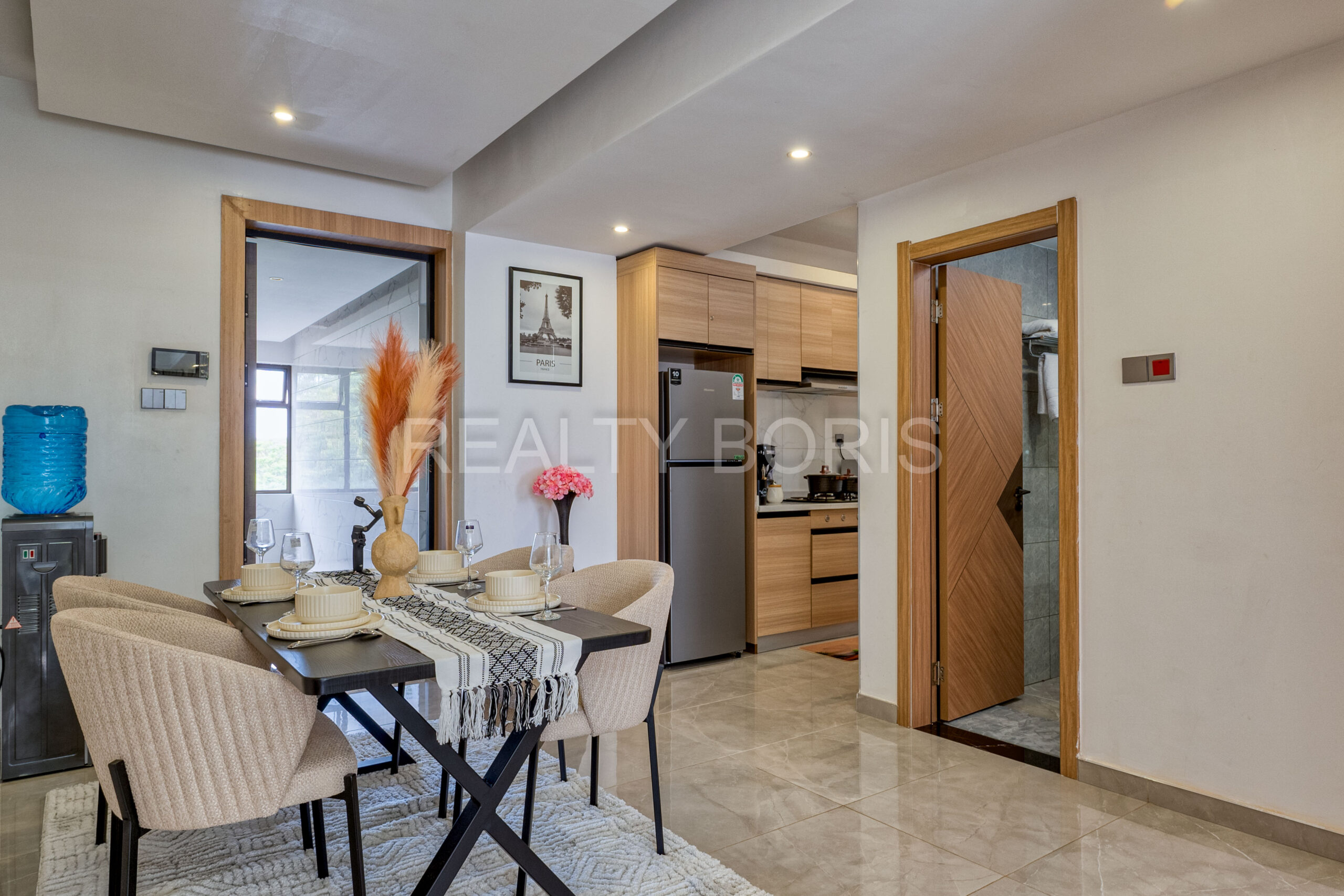
Investors in Nairobi’s rental market — from gated communities to serviced apartments in Riverside — benefit from consistent yields. With Nairobi’s growing middle class, rental demand continues to rise, ensuring strong returns even during inflation spikes.
Tips for Investors Navigating Inflation
- Focus on prime locations with proven demand.
- Invest in rental income properties like serviced apartments or gated estates.
- Hedge against inflation by diversifying into both residential and commercial property.
- Work with trusted developers and agencies like Realty Boris to minimize risk.
Conclusion
Nairobi’s property market has shown that it’s not just surviving inflation — it’s thriving. With strong demand, limited land, and consistent diaspora investment, real estate remains one of the safest ways to preserve and grow wealth in Kenya. For investors, the message is clear: now is the time to position yourself in Nairobi’s ever-growing property sector.
FAQs
- Is real estate a good hedge against inflation in Kenya?
Yes. Property values and rental income in Nairobi typically rise with inflation, protecting investors. - Which areas in Nairobi are most inflation-resistant?
Prime areas like Westlands, Karen, Kilimani, and Lavington remain resilient due to demand and limited land. - How do diaspora remittances impact the property market?
Diaspora remittances inject billions into the sector annually, boosting demand and cushioning the market. - Should I invest in rental property during inflation?
Yes. Rental yields rise during inflation, making it a reliable income stream. - How can Realty Boris help investors?
We offer expert guidance on buying, selling, and managing prime properties in Nairobi. Contact us today to get started.
Call-to-Action (CTA)
Looking to secure your future with inflation-proof investments? 🏡 Explore our exclusive listings of luxury homes, gated communities, and serviced apartments at Realty Boris.